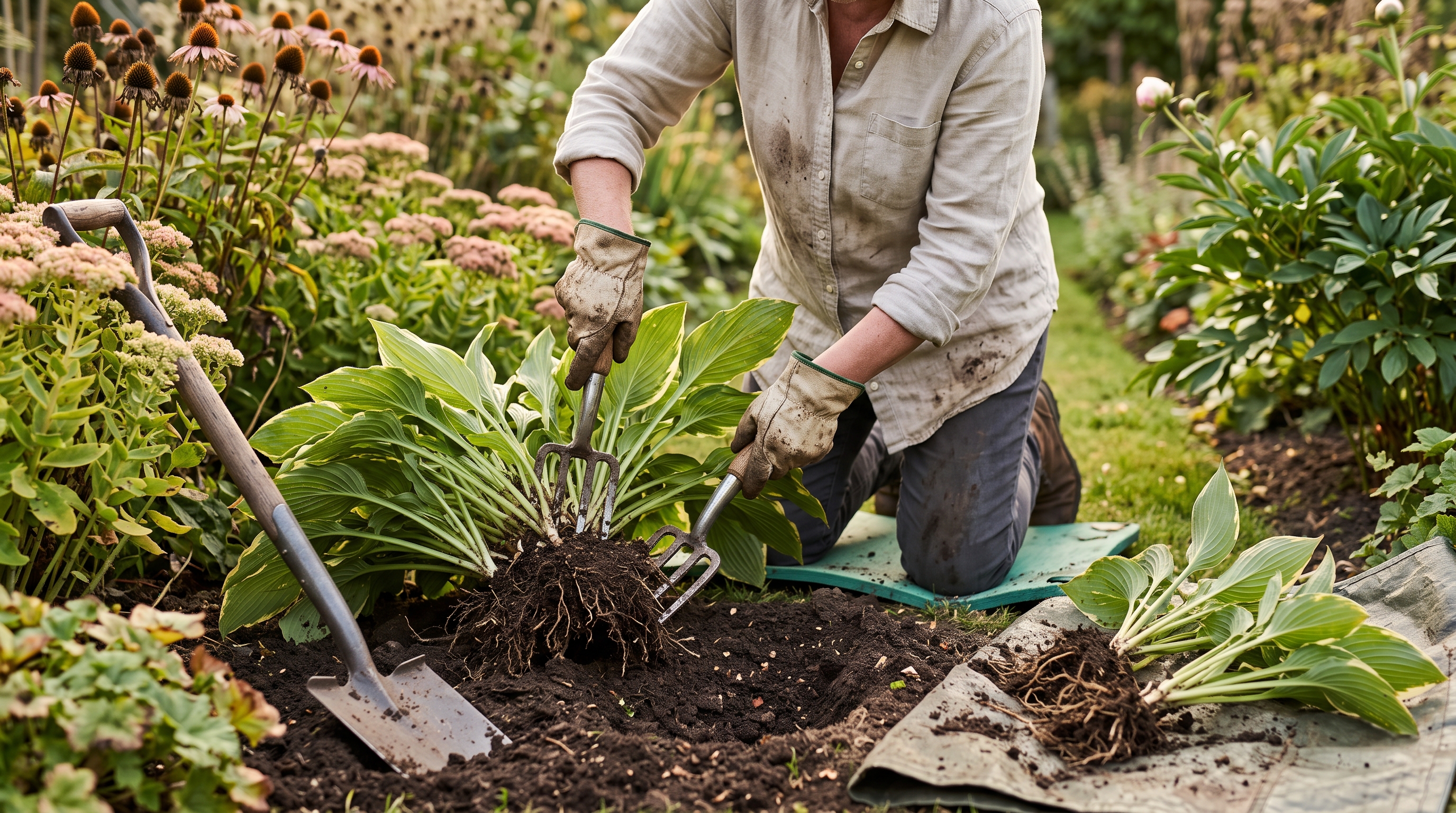
12 Best Low-Maintenance Garden Plants
The 12 best low-maintenance garden plants - tough perennials and shrubs that look great with almost no watering, pruning, or fuss.

The best low-maintenance garden plants - lavender, sedum, catmint, coneflower, and daylilies, with boxwood and ornamental grasses for structure - look great with almost no work: they survive a missed watering, shrug off pests, rarely need pruning, and return year after year on their own.
Not everyone wants a garden that demands a weekend of work; most people just want a yard that looks good with the least possible effort.
That garden is entirely achievable. The secret is choosing tough, well-adapted perennials and shrubs and matching them to your conditions. Here are 12 of the best, plus the principles that make any garden low-maintenance.
At a Glance: 12 Easy Garden Plants
| Plant | Type | Best Feature | Sun |
|---|---|---|---|
| Lavender | Shrub | Fragrance, pollinators | Full sun |
| Russian Sage | Perennial | Long purple haze | Full sun |
| Sedum (Stonecrop) | Perennial | Drought-proof, autumn colour | Full sun |
| Coneflower (Echinacea) | Perennial | Long bloom, bees | Full sun |
| Black-Eyed Susan | Perennial | Cheerful, spreads | Full sun |
| Daylily | Perennial | Tough, blooms for weeks | Sun-part shade |
| Ornamental Grasses | Perennial | Movement, structure | Sun-part shade |
| Hostas | Perennial | Lush leaves in shade | Shade |
| Catmint (Nepeta) | Perennial | Months of blue flowers | Full sun |
| Yarrow | Perennial | Drought-tough, flat flowers | Full sun |
| Boxwood | Shrub | Evergreen structure | Sun-part shade |
| Coral Bells (Heuchera) | Perennial | Colourful foliage | Part shade |
The Best Plants for a Sunny, Dry Spot
Lavender
Lavender thrives on neglect - it actually prefers poor, dry soil and full sun. Give it good drainage and it rewards you with fragrance, silvery foliage, and a magnet for bees, asking only for one trim a year.
Russian Sage
A cloud of airy purple-blue flowers on silver stems from mid-summer into autumn. Drought-proof, deer-resistant, and untroubled by pests. Cut it back hard once in spring - that’s the whole job.
Sedum (Stonecrop)
Sedums are succulents for the garden - they store water in fleshy leaves and barely need watering. Tall types like ‘Autumn Joy’ bring structure and pink-bronze autumn flowers; low types carpet the ground.
Yarrow
Flat-topped flower clusters in white, yellow, pink, or red on ferny foliage. Yarrow tolerates drought, poor soil, and heat, and feeds pollinators all summer.
The Best Long-Blooming Perennials
Coneflower (Echinacea)
Tough, upright, and covered in daisy-like flowers for months. Coneflowers handle heat and drought, feed bees and butterflies, and the seed heads feed birds into winter - leave them standing.
Black-Eyed Susan
Cheerful golden daisies that bloom for weeks and gently self-seed to fill space. Practically indestructible in a sunny spot.
Catmint (Nepeta)
A long, low mound smothered in soft blue flowers from late spring through summer. Give it one mid-season trim and it reblooms. Drought-tough and loved by bees.
Daylily
The daylily is famously unkillable - it tolerates almost any soil, sun or part shade, drought once established, and neglect. Modern varieties bloom for many weeks.
The Best Easy Structure Plants
Ornamental Grasses
Grasses bring movement, texture, and year-round structure with almost no care - cut them back once in late winter and they’re done. Choose well-behaved clumping types over running ones.
Boxwood
For evergreen structure and a tidy, formal look, boxwood is the classic low-care shrub. One or two trims a year keep it sharp; otherwise it asks for nothing.
The Best Easy Plants for Shade
Hostas
Hostas are the go-to for a shady spot - lush mounds of bold foliage in greens, blues, and variegated patterns. Plant them, water until established, and enjoy. (Watch for slugs in damp gardens.)
Coral Bells (Heuchera)
Grown for their year-round foliage in shades of lime, caramel, purple, and silver, coral bells brighten part shade with colour that doesn’t depend on flowers.
The Principles of a Low-Maintenance Garden
Choosing easy plants is half of it. These principles do the rest:
- Right plant, right place. A plant suited to your light, soil, and climate needs almost no help. A plant fighting its conditions needs constant rescue. This is the single biggest factor.
- Choose perennials and shrubs over annuals. Perennials return every year on their own; annuals must be replanted every season.
- Plant natives. Plants native to your region are adapted to your rainfall, soil, and pests - they’re the lowest-maintenance choice and they support local wildlife.
- Mulch generously. A thick layer of mulch suppresses weeds, holds moisture (so less watering), and feeds the soil as it breaks down. Mulch is the laziest gardener’s best friend.
- Group plants by water needs. Put thirsty plants together and drought-tough plants together, so you’re not over- or under-watering anything.
- Plant densely. Plants that knit together shade the soil, smother weeds, and need less attention than sparse beds with bare gaps.
- Water deeply, less often. Deep, infrequent watering grows deep roots that find their own moisture; frequent shallow watering grows needy, shallow-rooted plants.
Frequently Asked Questions
What is the lowest-maintenance garden plant?
Lavender, sedum, daylilies, and ornamental grasses are among the lowest-maintenance - all are drought-tough, pest-resistant, and need only an annual trim once established.
How do I make my garden low-maintenance?
Choose tough perennials and shrubs suited to your conditions, favour native plants, mulch thickly to suppress weeds and hold moisture, plant densely, and group plants by water needs.
Are perennials less work than annuals?
Yes - far less. Perennials come back on their own every year, while annuals must be bought and replanted every single season.
What low-maintenance plants grow in shade?
Hostas and coral bells (heuchera) are the easiest shade plants - both thrive on foliage alone and need little beyond occasional watering.
Do low-maintenance plants still need watering?
They need regular watering for the first season while they establish their roots. Once established, the plants on this list need little or no extra watering in normal weather.
🛒 Recommended Gear on Amazon
- Daylily bare-root plants - browse current options and reviews on Amazon.
- Hosta plants (live) - browse current options and reviews on Amazon.
- Bagged garden mulch - browse current options and reviews on Amazon.
As an Amazon Associate, we earn from qualifying purchases - at no extra cost to you. This helps us keep producing free, in-depth guides.