Lavender
Lavender is the silver-leaved, purple-spiked shrub that turns a garden into a scene - rows of it humming with bees, the fragrance lifting in the heat, the color glowing against gravel and stone.
🗓️ Last reviewed: June 2026
Overview
Lavender is the silver-leaved, purple-spiked shrub that turns a garden into a scene - rows of it humming with bees, the fragrance lifting in the heat, the color glowing against gravel and stone. It is grown for its scent, its long-lasting flowers, its drought tolerance, and the way it draws pollinators. Lavender is genuinely easy - but only if you give it the one thing it cannot do without: sharp drainage and full sun. Most "dead lavender" stories are really stories of cold, wet, heavy soil. Plant it in the right spot and it asks for almost nothing.
Origin & Natural Habitat
Lavender comes from the dry, sunny, rocky hillsides of the Mediterranean and into parts of Africa and Asia. Its home ground is poor, stony, free-draining soil baked by sun, with little summer rain. Everything about lavender care follows from this: it wants heat, sun, lean soil, and dry feet. It evolved its narrow, silvery, aromatic leaves to survive drought and reflect harsh light - the oils that make it smell wonderful also help it resist heat and grazing.
Appearance
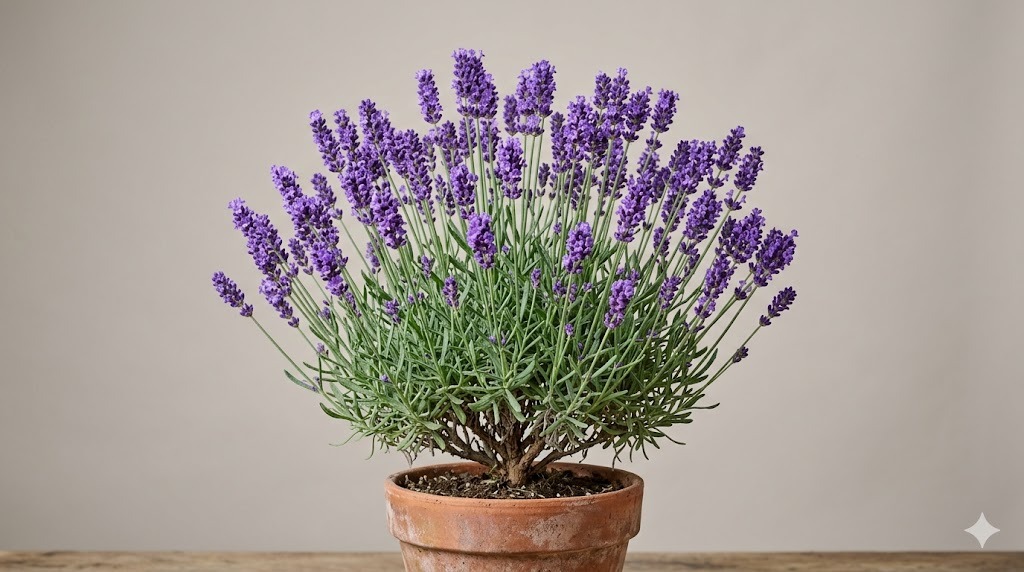
Lavender is a compact, woody, evergreen sub-shrub, usually 30-80 cm tall and wide, forming a neat mound of slender grey-green to silver foliage. From early to midsummer it throws up bare stems topped with dense spikes of small flowers - most famously purple, but also blue, pink, and white. The main garden types:
- English lavender (Lavandula angustifolia): the hardiest, most fragrant, classic culinary type; compact.
- Lavandin (L. x intermedia): larger, vigorous, very fragrant, long stems - the type grown for oil.
- French / Spanish lavender (L. stoechas): distinctive "rabbit ear" petals on top of the flower head; less hardy.
Why People Grow It - Qualities & Benefits
- Fragrance: one of the most loved garden scents, released by leaf and flower.
- Pollinators: bees and butterflies cover it all summer.
- Drought tolerance: thrives on neglect once established; ideal for low-water gardens.
- Long season of color: weeks of purple bloom, plus year-round silver foliage.
- Cut and dried flowers: holds scent and color when dried; used in sachets, crafts, cooking.
- Structure: neat mounds work as low hedges, edging, and gravel-garden anchors.
- Pest resistance: deer and rabbits generally leave it alone.
Care
Light & Position
Full sun - non-negotiable. Lavender needs the hottest, brightest, most open spot you have, with good air movement. Shade gives weak, floppy, short-lived plants. A sunny, sheltered, well-drained position is perfect.
Soil
Poor to average, free-draining, even gritty or stony soil - slightly alkaline is ideal. This is the single most important factor. Heavy, rich, or wet soil kills lavender, especially in winter. On clay, plant on a raised mound or in pots, and dig in plenty of grit.
Watering
Water new plants through their first summer to establish. After that, lavender is highly drought-tolerant and needs little or no watering in the ground. Overwatering is far more dangerous than underwatering. In pots, water only when the soil is dry.
Feeding
Do not feed. Lavender wants lean soil; rich feeding gives soft, floppy growth and fewer flowers. Skip the fertilizer and compost.
Pruning
Pruning is what keeps lavender alive and shapely for years. After flowering (late summer), trim the plant over, cutting back the spent flower stems and a little of the green growth - shape it into a tidy mound. Never cut hard into old, bare, woody stems - lavender does not reliably regrow from old wood. Light, regular trimming each year prevents it from going leggy and woody.
Hardiness & Winter Care
English lavender and lavandin are reasonably hardy (roughly USDA zone 5-8); French/Spanish lavender is more tender. The real winter killer is not cold but cold plus wet soil. Ensure perfect drainage; in heavy, wet, or very cold gardens, grow lavender in pots that can be moved or sheltered.
Planting & Propagation
Plant in spring, into warm, well-drained soil, spacing for air flow. Propagate easily from softwood or semi-ripe cuttings in summer - lavender roots readily. Seed is slow and variable; cuttings keep the variety true.
Common Problems & Pests
- Dying / rotting plants: almost always wet, heavy, or poorly drained soil - especially over winter. Improve drainage or move to pots.
- Leggy, woody, bare-centered plants: caused by skipping the annual trim; prevented by light pruning every year (and not curable once it has set in - replace the plant).
- No flowers / weak growth: too much shade, or soil too rich.
- Pests: generally very pest-free; froghoppers ("cuckoo spit") are cosmetic only.
Toxicity & Safety
Lavender is considered low-toxicity and generally safe around the garden. Culinary English lavender is edible in small amounts. Lavender essential oil is concentrated and should not be ingested; in pets, large quantities of plant material or oil can cause mild stomach upset, so it is listed as mildly toxic to cats and dogs - but as a garden shrub it is one of the safer choices, and a strong pollinator and wildlife plant.
Pros & Cons
Pros
- Wonderful fragrance and color.
- Magnet for bees and butterflies.
- Extremely drought-tolerant; thrives on neglect.
- Evergreen silver foliage; great cut and dried.
Cons
- Demands full sun and sharp drainage - fails in wet, heavy soil.
- Will not regrow from old bare wood; needs yearly trimming.
- Relatively short-lived (often 5-10 years) compared to other shrubs.
- French/Spanish types are not very hardy.
Best Suited For
- Hot, sunny, free-draining gardens; gravel and Mediterranean-style gardens.
- Low hedges, path edging, and pollinator borders.
- Pots on sunny patios.
- Low-water, low-maintenance gardens.
Not ideal for shady, wet, heavy-clay gardens, or anyone who wants to feed and pamper a plant.
FAQ
Why did my lavender die? Almost always wet, heavy soil - especially over winter. Lavender dislikes cold combined with damp roots. Improve drainage with grit, plant on a mound, or grow it in pots.
Why is my lavender woody and bare in the middle? It was not trimmed each year. Lavender goes leggy and woody if left unpruned, and it will not reshoot from old bare wood. Trim lightly every year after flowering; once a plant is woody, it is best replaced.
How do I prune lavender? After flowering, trim off the spent flower stems and a little green growth, shaping a neat mound. Never cut back into the old brown woody stems - it may not regrow.
Does lavender need watering? Only in its first summer, to establish. After that it is very drought-tolerant and needs little to no watering in the ground. Overwatering kills it.
Is lavender good for bees? Yes - lavender is one of the best pollinator plants, covered in bees and butterflies all summer.