Best Air-Purifying Plants
The famous NASA study, what it really proved, and the 10 best air-purifying houseplants - plus the honest truth about how much they clean your air.

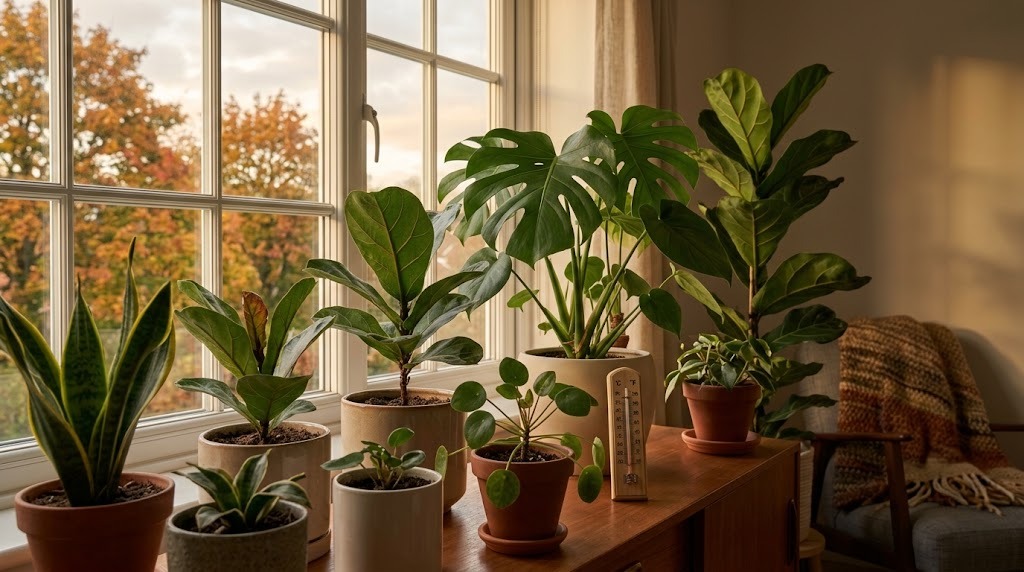
The best air-purifying houseplants - among them the snake plant, pothos, peace lily, spider plant, and dragon tree - do absorb some indoor pollutants, but the honest truth is the effect is modest: you would need dozens of plants in a single room to measurably clean the air. Grow them for the greenery and a small boost, not as a replacement for opening a window.
That gap between promise and reality comes from one famous study. Search “air-purifying plants” and you’ll find hundreds of articles claiming a few houseplants will detox your home - the idea traces back to a single 1989 experiment, and what it actually proved is more interesting, and more honest, than the headlines. Below is the science in plain terms, then the 10 best plants to choose if cleaner air is your goal.
The NASA Study - What It Actually Proved
In 1989, NASA ran a study (the “Clean Air Study”) testing whether houseplants could remove airborne toxins like formaldehyde, benzene, and trichloroethylene. The result: yes - plants absorbed measurable amounts of these chemicals.
The catch is the conditions. NASA tested plants inside small, sealed chambers, not normal rooms. To reproduce that effect in a real home, later researchers calculated you would need roughly 10-1,000 plants per square metre of floor space - an indoor jungle so dense you couldn’t walk through it.
So the honest summary is:
- ✅ True: Plants absorb some indoor pollutants and release oxygen.
- ✅ True: Plants raise humidity and measurably reduce stress and improve mood.
- ❌ Overstated: A handful of plants will not meaningfully “purify” the air in a normal, ventilated room. Opening a window does far more.
The real value of houseplants for air is partly biological and largely psychological: greenery lowers stress, improves focus, and makes a space feel calmer and healthier. That’s a genuine, research-backed benefit - it’s just not “detox.”
At a Glance: Top 10 “Air” Plants
| Rank | Plant | NASA-Tested | Bonus Benefit |
|---|---|---|---|
| 🥇 #1 | Snake Plant | Yes | Releases oxygen at night |
| 🥈 #2 | Peace Lily | Yes | High transpiration / humidity |
| 🥉 #3 | Spider Plant | Yes | Pet-safe |
| #4 | Areca Palm | Yes | Excellent humidifier |
| #5 | Boston Fern | Yes | Top natural humidifier |
| #6 | Pothos | Yes | Survives anywhere |
| #7 | Rubber Plant | Yes | Large leaf area |
| #8 | Dracaena | Yes | Tall, architectural |
| #9 | English Ivy | Yes | Reduces airborne mould |
| #10 | Aloe Vera | Yes | Useful, low-care |
🥇 #1: Snake Plant (Dracaena trifasciata)
→ Shop live Snake Plant plants on Amazon The snake plant was part of the NASA study and has a genuine night-time quirk: it uses CAM photosynthesis, so it releases oxygen and absorbs carbon dioxide at night, unlike most plants. That, plus its near-indestructibility, makes it the top pick for a bedroom.
🥈 #2: Peace Lily (Spathiphyllum)
→ Shop live Peace Lily plants on Amazon The peace lily was one of the strongest performers in the NASA chambers and is also a powerful humidifier - it transpires a lot of moisture, which makes dry indoor air feel more comfortable. It flowers in low light, too.
(Mildly toxic if eaten - keep away from pets and toddlers.)
🥉 #3: Spider Plant (Chlorophytum comosum)
→ Shop live Spider Plant plants on Amazon NASA-tested, easy, and - uniquely on this list - completely non-toxic to cats and dogs. The best air-focused choice for pet households.
#4: Areca Palm (Dypsis lutescens)
→ Shop live Areca Palm plants on Amazon The areca palm is one of the best natural humidifiers you can own - a large specimen transpires a meaningful amount of water into the air daily, easing the dry-air problems common in heated homes.
#5: Boston Fern (Nephrolepis exaltata)
→ Shop live Boston Fern plants on Amazon Often rated the single best humidifying houseplant, the Boston fern thrives in moisture and pushes humidity back into the room. It needs damp soil and humid air itself, so it suits bathrooms.
#6: Pothos (Epipremnum aureum)
→ Shop live Pothos plants on Amazon Pothos was NASA-tested and removes formaldehyde and benzene in lab conditions. Its real advantage is practicality: it will grow almost anywhere, so you can actually keep enough of it alive to matter.
#7: Rubber Plant (Ficus elastica)
→ Shop live Rubber Plant plants on Amazon The rubber plant’s large, glossy leaves give it a big surface area for gas exchange, and it tolerates ordinary indoor conditions well.
#8: Dracaena (Dracaena spp.)
→ Shop live Dracaena plants on Amazon Several dracaenas appeared in the NASA study. They’re tall, sculptural, and easy - a good way to add a lot of leaf area in a small footprint.
#9: English Ivy (Hedera helix)
→ Shop live English Ivy plants on Amazon English ivy was shown in studies to reduce airborne mould spores and is a strong climber or trailer. (Toxic to pets - site it carefully.)
#10: Aloe Vera
→ Shop live Aloe Vera plants on Amazon Aloe was part of the NASA study and is an easy, useful succulent for a sunny windowsill - modest air benefit, high practicality.
How to Actually Improve Your Indoor Air
Plants help a little. These help a lot:
- Ventilate. Open windows daily, even briefly. Fresh-air exchange beats any plant.
- Cut the source. Choose low-VOC paint and furnishings; never smoke indoors; vent cooking.
- Run a HEPA air purifier in bedrooms and main rooms if you have allergies or live near traffic.
- Raise humidity sensibly - to 40-50% - with humidifying plants or a humidifier; dry air worsens irritation.
- Add plants for the proven mood and stress benefits, and a small bonus to air quality.
Frequently Asked Questions
Do air-purifying plants really work?
They absorb some pollutants and release oxygen, but in a normal room the effect is small - you’d need dozens of plants per room to match a window or air purifier. Their reliable benefits are humidity, mood, and stress reduction.
What plant is best for a bedroom?
The snake plant - it releases oxygen at night and tolerates the low light and neglect typical of bedrooms.
How many plants do I need to clean a room’s air?
Realistically, more than you can fit. To match the NASA chamber effect you’d need roughly 10 or more plants per square metre. Treat plants as a supplement to ventilation, not a replacement.
Which air-purifying plants are safe for pets?
The spider plant and areca palm are non-toxic. The peace lily, pothos, English ivy, rubber plant, and dracaena are toxic if chewed - keep them out of reach.
🛒 Recommended Gear on Amazon
- Snake plant (live) - browse current options and reviews on Amazon.
- Golden pothos (live) - browse current options and reviews on Amazon.
- Peace lily (live) - browse current options and reviews on Amazon.
As an Amazon Associate, we earn from qualifying purchases - at no extra cost to you. This helps us keep producing free, in-depth guides.