Plant Subscription Boxes: Worth It?
What plant subscription boxes are, the different types, who they suit, what to check before you sign up - including the FTC's advice on subscriptions and auto-renewals - and how to choose one.
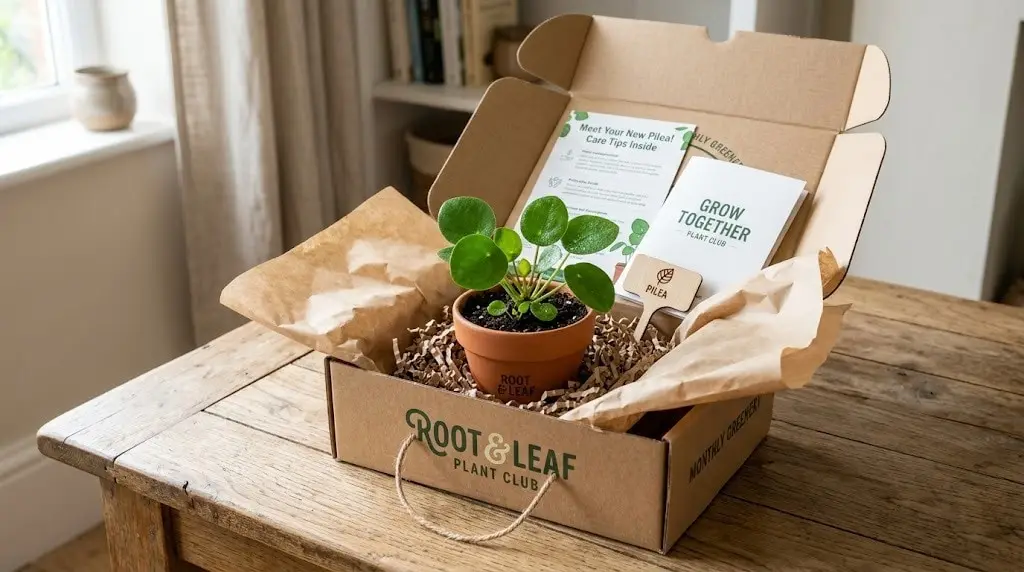
Are plant subscription boxes worth it? It depends on what you want. A curated surprise that keeps arriving can make a good gift or a fun ritual; if you want specific plants matched to your light, choosing them yourself gives you more control. This guide explains the types, who they suit, and what to check before you sign up.
What is a plant subscription box?
A recurring delivery - monthly, every two months or quarterly - containing a plant and often extras such as a decorative pot, a care card or potting mix. You pay per delivery, or upfront for several months.
The types of plant subscription
- Houseplant boxes - a new houseplant each delivery, often with a pot and care guide.
- Rare or collector boxes - aimed at enthusiasts, featuring more unusual plants.
- Seed or grow-your-own boxes - seeds, mix and instructions for vegetables, herbs or flowers; more of a project than an instant plant.
- Succulent or cactus boxes - a succulent or cactus each time.
- Garden boxes - seasonal outdoor plants, bulbs or seedlings.
Who they suit
- Gift buyers who want a present that keeps arriving.
- Beginners who like having plants chosen for them and care cards included.
- People who enjoy the surprise and the ritual of a delivery.
Who might prefer to choose plants themselves
- People with particular conditions. A box doesn’t know your light. The University of Illinois Extension calls light one of the most limiting factors for houseplants, and plants are rated for low, medium or high light; our plant finder matches plants to your room.
- People who want specific plants. Many boxes are a surprise, so you may receive a plant you already own.
- People short of space. A monthly plant adds up to twelve a year.
- People comparing cost. Work out the price per plant including delivery, and compare it with buying the same plant locally.
What to check before you subscribe
The US Federal Trade Commission’s consumer advice on subscriptions and free trials applies to plant boxes too:
- Read the terms first. The FTC says the terms should tell you exactly what you’re agreeing to and how and when to cancel; if you can’t find that or don’t understand it, that may be a sign cancellation will be difficult, and its advice is not to sign up.
- Watch free trials. If you have to give a card number for a “free trial”, you will probably be charged if you don’t cancel on time. The FTC suggests putting a reminder in your calendar to cancel before the trial ends.
- Check whether it auto-renews, and how to skip or pause a delivery.
- “Free” with a shipping fee isn’t free. The FTC warns that a small fee to get a “free” trial can be followed by higher charges.
- Ads may not come from the seller. The FTC notes that some online ads for trials are made by affiliate marketers and may exaggerate.
- If you can’t cancel, the FTC suggests asking your card company to stop the payments.
Plant-specific checks
- Condition on arrival. Read reviews about how plants arrive and how the company handles damaged plants, and check its replacement policy.
- Cold weather. The Royal Horticultural Society advises covering a newly bought plant for the journey home, especially in winter, to protect it from cold; ask whether the company pauses or protects deliveries in extreme weather.
- Health. When a plant arrives, check it as you would in a shop: the RHS suggests healthy leaves without discolouration, and warns that wilting in wet compost can mean root damage or root disease. The University of California’s IPM program suggests checking new plants weekly for pests at first and isolating any plant with a problem.
- Plant size. Check the expected size so you know what you’re getting.
How to choose
- Match the type to the recipient - a houseplant box for an indoor-plant lover, a seed box for a keen gardener, a succulent box for someone who wants low-maintenance plants.
- Start with a short plan before committing to a year.
- Confirm you can skip, pause and cancel, and how.
Frequently asked questions
Are plant subscription boxes worth it?
As a gift or for the enjoyment of a curated surprise, they can be. If you want specific plants matched to your light, choosing them yourself gives you more control.
Can I choose which plants I receive?
Often not; many boxes are a surprise. Check the terms before you sign up.
How do I cancel a plant subscription?
It depends on the company. The FTC’s advice is to read how and when to cancel before you sign up, and to walk away if it isn’t clear.
What should I check when the plant arrives?
Healthy leaves without discolouration and no wilting in wet compost (RHS); check for pests and keep it apart from your other plants at first (University of California IPM).
Sources
- US Federal Trade Commission, Consumer Advice: Getting In and Out of Free Trials, Auto-Renewals, and Negative Option Subscriptions. Read 28 October 2026.
- Royal Horticultural Society, How to grow houseplants. Read 28 October 2026.
- University of Illinois Extension, Houseplants: lighting. Read 28 October 2026.
- University of California Statewide IPM Program, Houseplant Problems. Read 28 October 2026.
Recommended Gear on Amazon
- Assorted live houseplant bundle - browse current options and reviews on Amazon.
- Ceramic pots with drainage (set) - browse current options and reviews on Amazon.
- Indoor potting mix - browse current options and reviews on Amazon.
As an Amazon Associate, we earn from qualifying purchases - at no extra cost to you. This helps us keep producing free, in-depth guides.