10 Best Houseplants for Allergies
Can houseplants trigger allergies? Yes - sometimes. Here are 10 allergy-friendly houseplants and how to keep any plant from worsening symptoms.
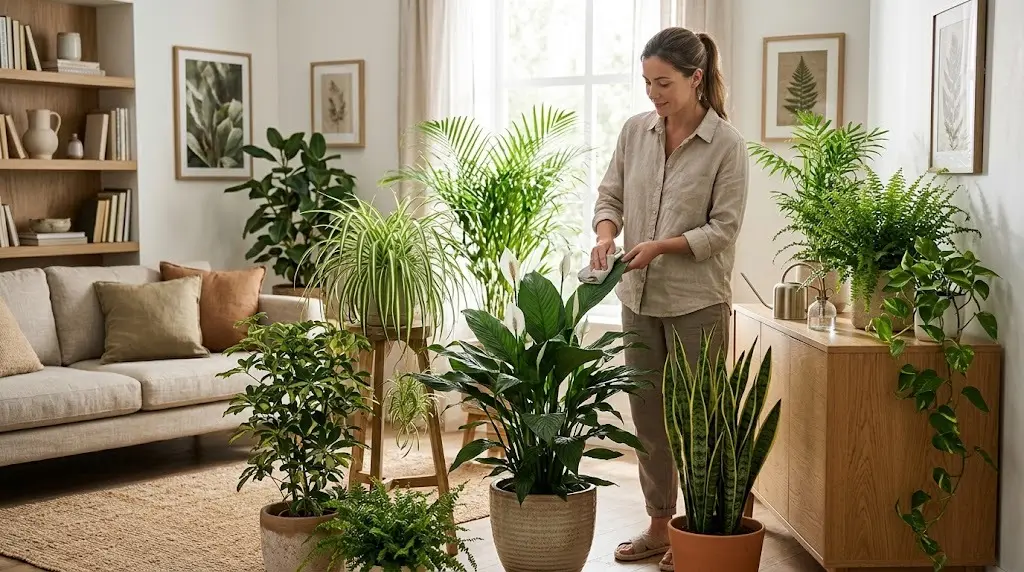
If you have allergies, you may have wondered whether houseplants help or hurt. The answer is: the plants themselves are rarely the problem - but how you keep them can be. Most foliage houseplants produce little or no airborne pollen. The real allergy triggers are mould in soggy soil, dust on leaves, and a few specific plants with irritating sap or heavy pollen.
Not medical advice. This is a reading guide, not health advice. Any plant can set off a reaction in some people, herbal teas can interact with medicines, and misidentification is a real risk - check with a doctor or pharmacist if you take medication or are pregnant, and never eat a plant you have not identified with certainty.
This guide covers the 10 most allergy-friendly houseplants, the few to avoid, and (most importantly) the care habits that keep any plant from worsening your symptoms.
Do Houseplants Cause Allergies?
Three real triggers, and how big each is:
- Mould - the one official sources mention. The US Environmental Protection Agency cautions that overwatered houseplants can encourage microbial growth that affects people with allergies. This is a care problem, not a plant problem.
- Dust - leaves collect dust, which then circulates. Easily fixed by wiping them.
- Pollen and sap - only a few houseplants produce significant airborne pollen, and a few have irritating sap. Most foliage plants produce none.
Notice that two of the three triggers are about how you keep the plant, not the plant itself. Choose sensible plants and care for them well, and houseplants are fine for most people with allergies. If yours are severe, ask your allergist before filling a room with plants.
At a Glance: 10 Allergy-Friendly Plants
| Plant | Why It’s Allergy-Friendly |
|---|---|
| Snake Plant | No pollen, smooth wipeable leaves |
| Pothos | No pollen, easy to keep dry |
| ZZ Plant | Glossy leaves, rarely flowers indoors |
| Dracaena | No pollen, smooth foliage |
| Spider Plant | Tiny flowers, low pollen, pet-safe |
| Peace Lily | Spathe flower, very little airborne pollen |
| Areca Palm | Rarely flowers indoors; fronds rinse clean in the shower |
| Philodendron | No pollen, smooth leaves |
| Cast Iron Plant | No pollen, tough, low-care |
| Lady Palm | No pollen, easy-clean foliage |
The Best Allergy-Friendly Houseplants
Snake Plant
The snake plant rarely flowers indoors, produces no airborne pollen, and has smooth, upright leaves that are quick to wipe clean of dust. It also tolerates low watering - so the soil stays drier and less mould-prone.
Pothos & Philodendron
Both are pure foliage plants - they essentially never flower indoors and release no pollen. Their smooth leaves wipe clean in seconds. Easy plants that won’t add to your allergen load.
ZZ Plant
Glossy, waxy leaves that shed dust easily and no indoor flowering. Its drought tolerance means drier soil and less mould risk.
Dracaena & Lady Palm
Both bring height and greenery, rarely flower indoors, and have foliage that is easy to wipe or rinse clean.
Spider Plant
The spider plant produces only tiny, sparse flowers with negligible pollen, is pet-safe, and is easy to keep healthy - a solid all-round allergy-friendly choice.
Peace Lily
The peace lily’s “flower” is a spathe (a modified leaf) around a small spike that carries the pollen; snip the spike off if pollen bothers you. Wipe the leaves and don’t overwater it.
Cast Iron Plant
True to its name, the cast iron plant is tough and low-care, never floods you with pollen, and tolerates the drier soil that keeps mould away.
Plants Allergy Sufferers May Want to Avoid
- Heavily flowering plants with lots of pollen: some chrysanthemums, daisies, and other pollen-rich flowering pot plants.
- Weeping fig (Ficus benjamina) - allergy researchers describe it as a recognized indoor allergen, with a link to latex and fig allergy in some people.
- Strongly scented plants - heavily fragrant flowers can trigger symptoms in people sensitive to scent (a different reaction from pollen allergy).
This doesn’t mean you can never own them - just be aware if you’re highly sensitive.
How to Keep Any Plant Allergy-Friendly
The care matters more than the plant choice:
- Don’t overwater. Soggy soil grows mould. Let soil dry appropriately between waterings: this is the single most important rule.
- Keep the soil surface dry. Water from below, or let the top of the soil dry out between waterings; some growers add a layer of grit for the same reason.
- Wipe the leaves every week or two with a damp cloth to remove dust before it circulates.
- Ensure good drainage - pots with holes, no standing water in saucers.
- Don’t overcrowd. Good airflow around plants keeps soil and leaves drier.
- Use fresh, quality potting mix and refresh it when repotting: old, broken-down soil holds more mould.
- Watch for fungus gnats - they signal soil that’s too wet, the same conditions that grow mould.
Frequently Asked Questions
Can houseplants make allergies worse?
They can - but usually because of mould in overwatered soil or dust on leaves, not the plant itself. Most foliage houseplants produce no airborne pollen. Good care prevents the problem.
Which houseplants are best for allergy sufferers?
Foliage plants with no indoor flowering and smooth, wipeable leaves - snake plant, pothos, ZZ plant, dracaena, philodendron, and palms. They release no pollen and are easy to keep dust-free.
Do houseplants clean the air for allergy sufferers?
No. The EPA says there is no evidence that a reasonable number of houseplants remove significant quantities of pollutants in homes. Ventilation and a suitable air cleaner are what change the air. Keep plants for the greenery, not as an allergy treatment.
How do I stop mould growing in my plant’s soil?
Don’t overwater (let soil dry between waterings), and use pots with drainage so that water never stands in the saucer.
Are flowering houseplants bad for allergies?
Some are. Heavily flowering, pollen-rich pot plants can trigger symptoms in people who are sensitive to them.
Recommended Gear on Amazon
- Snake plant (live) - browse current options and reviews on Amazon.
- Peace lily (live) - browse current options and reviews on Amazon.
- HEPA air purifier - browse current options and reviews on Amazon.
As an Amazon Associate, we earn from qualifying purchases - at no extra cost to you. This helps us keep producing free, in-depth guides.