10 Rare Houseplants Worth Buying
The most sought-after rare houseplants - variegated Monstera, pink princess, and more - what makes them special, and how to buy without being scammed.

Once you’ve kept a few easy plants alive, it’s natural to want something special - a plant that makes other plant people stop and look. The “rare plant” world is exciting, but it’s also full of inflated prices, mislabelled cuttings, and outright scams.
This guide covers ten genuinely desirable rare houseplants, what makes each one special, roughly how hard they are to grow, and - crucially - how to buy without getting burned.
What Makes a Houseplant “Rare”?
A plant is usually called rare for one of these reasons:
- Variegation - patches of white, cream, pink, or yellow where the leaf lacks green pigment. Variegated plants grow slower (less green means less photosynthesis), so they’re scarcer and pricier.
- Slow propagation - some species are simply hard or slow to multiply.
- Limited import - a plant that’s common in its native region but rarely imported elsewhere.
- Hype - sometimes a plant is “rare” mostly because social media made it desirable. Prices on hyped plants can crash as supply catches up.
At a Glance: 10 Rare Houseplants
| Plant | What’s Special | Difficulty |
|---|---|---|
| Variegated Monstera (Albo) | White-splashed leaves | Moderate |
| Monstera Thai Constellation | Creamy speckled variegation | Moderate |
| Philodendron Pink Princess | Pink variegation | Moderate |
| Philodendron Gloriosum | Huge velvet heart leaves | Moderate |
| Anthurium Clarinervium | Velvety, white-veined leaves | Moderate-hard |
| Variegated Syngonium | Easy variegated arrowhead | Easy |
| Hoya (rare cultivars) | Waxy leaves, scented flowers | Easy |
| Alocasia (Dragon Scale, Frydek) | Dramatic textured leaves | Hard |
| Begonia Maculata | Polka-dot “wing” leaves | Moderate |
| String of Turtles | Tiny patterned leaves | Easy |
The Iconic Variegated Plants
Variegated Monstera ‘Albo’
The plant that launched the rare-plant craze. Bold white splashes across the classic Monstera leaf - every leaf unique. It’s the holy grail for many collectors. Care is much like a normal Monstera, but the white sections sunburn easily and contribute no energy, so growth is slower.
Monstera ‘Thai Constellation’
A lab-stabilized Monstera with creamy, speckled variegation spread evenly across the leaf. Because it’s tissue-cultured, its variegation is stable (it won’t revert) and supply is steadier - so it’s often a smarter, lower-risk buy than the unpredictable Albo.
Philodendron ‘Pink Princess’
The Pink Princess philodendron has deep, dark leaves marbled with bubblegum-pink variegation. Stunning - but beware: pink sections are fragile, and the plant can revert to all-green or produce all-pink leaves (which can’t survive). Buy one that already shows a good balance of pink and green.
The Statement Collector Plants
Philodendron Gloriosum
A crawling philodendron with enormous, velvety, heart-shaped leaves veined in white. It grows along the soil surface rather than climbing - give it a wide, shallow pot.
Anthurium Clarinervium
Thick, velvety, dark leaves with a dramatic network of pale white veins. A true statement plant - it wants high humidity and a chunky, airy mix.
Alocasia ‘Dragon Scale’ & ‘Frydek’
Alocasias have some of the most dramatic foliage in the houseplant world - textured, scaled, or deep velvet-green. They’re also the most demanding plants here: they want warmth, high humidity, and careful watering, and they sulk dramatically. For experienced growers.
The Easier “Rare” Plants
Variegated Syngonium
A variegated arrowhead plant gives you eye-catching cream-and-green (or pink) foliage with the easy, fast-growing nature of a normal syngonium. Excellent value - collector looks, beginner care.
Rare Hoyas
The hoya world runs deep, with dozens of sought-after species and variegated cultivars. Most are easy, long-lived, and rewarding - and many produce clusters of intricate, scented flowers. A great rare-plant niche that won’t punish you.
Begonia Maculata
The “polka dot begonia” - angel-wing leaves, silver spots above, deep red beneath. Striking, reasonably available, and moderately easy.
String of Turtles (Peperomia prostrata)
The string of turtles is a small trailing peperomia with tiny round leaves patterned like turtle shells. Charming, compact, and genuinely easy.
How to Buy Rare Plants Without Getting Scammed
The rare-plant market attracts opportunists. Protect yourself:
- Buy from reputable sellers with real reviews and a track record - established plant shops, well-rated specialist nurseries, or known sellers on marketplace platforms.
- Be very wary of “cheap” rare plants. A genuine variegated Monstera Albo for a tiny price is almost certainly a scam, a different plant, or a non-existent listing.
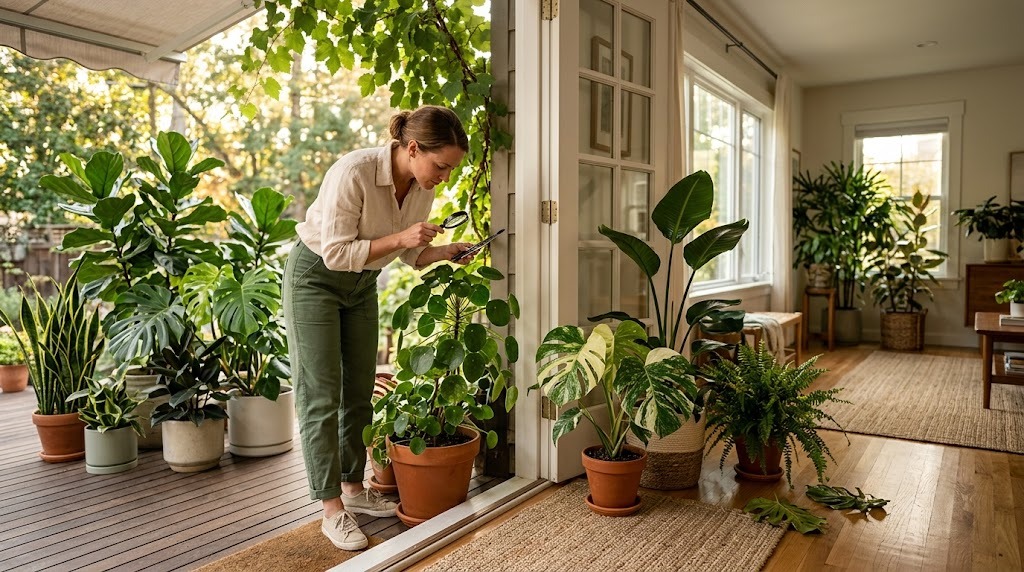
- Demand clear, recent photos of the actual plant or cutting you’ll receive - not stock images. Ask for a photo with the date or your name written on a note.
- Know what you’re buying. A “cutting” may be a single leaf with no growth point (node) - which can never become a full plant. Confirm it has a node.
- Beware reversion. Ask for a plant with balanced, stable variegation. An all-green or all-white section won’t give you what you paid for.
- Check import rules. Plants shipped across borders may need phytosanitary certificates; without them they can be seized.
- Avoid hype peaks. Prices on trendy plants fall as growers propagate them. If you can wait a year, you’ll often pay far less.
- Use buyer protection. Pay through methods that let you dispute a bad transaction.
A Note on Cost
Rare plants can be a rewarding hobby - but never spend money you can’t afford to lose. Plants die, cuttings fail to root, and a “rare” plant can become common (and cheap) within a year or two as supply grows. Buy rare plants because you love them, not as an investment.
Frequently Asked Questions
Why are some houseplants so expensive?
Mostly slow growth and scarcity. Variegated plants have less green tissue, so they grow slowly and are hard to propagate quickly - limited supply plus high demand pushes prices up. Hype also inflates some prices temporarily.
Are rare houseplants harder to care for?
Some are (alocasias, anthuriums), but many aren’t - variegated syngonium, most hoyas, and string of turtles are genuinely easy. “Rare” refers to availability and price, not always difficulty.
Will a variegated plant lose its variegation?
It can. Variegated plants can “revert” to all-green or produce unstable all-white growth. Give them bright light, and prune out fully green or fully white sections to encourage balanced new growth.
How do I avoid getting scammed buying rare plants?
Buy from reputable sellers with reviews, be suspicious of unusually low prices, insist on recent photos of the actual plant, confirm any cutting has a node, and pay with a method that offers buyer protection.
Are rare plants a good investment?
No - treat them as a hobby, not an investment. Prices of trendy plants typically fall as growers propagate them. Buy a rare plant because you want to grow it.
🛒 Recommended Gear on Amazon
- Monstera albo (live) - browse current options and reviews on Amazon.
- Philodendron pink princess (live) - browse current options and reviews on Amazon.
- Sphagnum moss - browse current options and reviews on Amazon.
As an Amazon Associate, we earn from qualifying purchases - at no extra cost to you. This helps us keep producing free, in-depth guides.