Plants and Mental Health
Do houseplants and gardening really improve mental health? A look at what the research shows about plants, stress, mood, focus, and wellbeing.

“Plants are good for you” is one of those claims everyone repeats - and that makes a sceptic suspicious. So let’s look at what the actual research shows. The honest answer turns out to be encouraging: the wellbeing benefits of plants and gardening are among the best-supported claims in the whole plant world - far better-supported, in fact, than the famous “air-purifying” claims.
Here’s what the science says, and why.
Why Plants Affect Us: Biophilia
The leading explanation is the biophilia hypothesis - the idea that humans have an innate, evolved affinity for nature and living things. We spent almost our entire evolutionary history surrounded by greenery; our nervous systems developed in nature, not in offices and concrete. Natural environments feel, on a deep level, safe and restful to us.
That’s why a green view or a leafy room doesn’t just look nice - it produces a measurable physiological calming response. We’re wired for it.
What the Research Shows
1. Plants and stress reduction
This is the strongest, most consistent finding. Studies repeatedly show that contact with plants and nature lowers physiological markers of stress - reduced cortisol (the stress hormone), lower blood pressure, slower heart rate, and a calmer nervous system. One well-known study found that actively working with indoor plants reduced stress responses compared with a screen-based task. Even a view of greenery has measurable calming effects.
2. Plants and mood
Research links the presence of plants and time in green space with improved mood and reduced symptoms of anxiety and low mood. People consistently report feeling more positive, more relaxed, and more comfortable in spaces with plants.
3. Plants and attention / focus
“Attention Restoration Theory” proposes that nature gently restores our depleted capacity to concentrate. Studies have found that plants in workplaces and study spaces are associated with better concentration, productivity, and memory performance - natural scenes give the focused part of the brain a rest.
4. Gardening specifically
Active gardening shows particularly strong benefits. Research and “horticultural therapy” programmes link gardening with reduced stress and anxiety, improved mood, a sense of purpose and accomplishment, and gentle physical activity. It combines several proven mood-boosters at once: time outdoors, light physical activity, sunlight, routine, nurturing a living thing, and visible progress.
5. The hospital and recovery research
A landmark study found that hospital patients with a window view of nature recovered faster and needed less pain medication than those facing a brick wall. Other studies link plants in recovery rooms with lower stress and better-reported wellbeing.
6. Connection and routine
Caring for plants provides routine, responsibility, and a small daily sense of purpose - looking after a living thing, watching it respond to your care, having something that needs you. For people who are isolated or struggling, this gentle structure and the act of nurturing can be genuinely supportive.
Why It Works: The Likely Mechanisms
Researchers point to several overlapping reasons plants help:
- Stress recovery - natural stimuli calm the nervous system (biophilia).
- Attention restoration - nature rests the brain’s effortful focus.
- Nurturing and purpose - caring for a living thing is meaningful and structuring.
- Accomplishment - visible growth gives small, regular wins.
- Physical activity and sunlight (in gardening) - both independently support mood.
- Mindful focus - tending plants is absorbing and present-moment, a little like meditation.
An Honest Caveat
The science is genuinely positive - but keep perspective:
- Many studies are small, short-term, or measure short-term responses. The field is still developing.
- Plants are a support for wellbeing, not a treatment for mental illness. A houseplant is not a substitute for therapy, medication, or professional help. If you are struggling, please reach out to a professional - plants can sit alongside proper support, not replace it.
- The effect size is meaningful but modest - plants nudge you toward calm and focus; they don’t transform a hard life.
With that honesty in place: this is one area where the popular claim and the evidence genuinely agree. Plants help.
How to Get the Wellbeing Benefits
You don’t need a jungle. To get the most:
- Put plants where you spend time - your desk, the rooms you use most, in your line of sight.
- Choose easy plants. A struggling plant adds stress, not calm. Start with foolproof plants like the snake plant, pothos, or ZZ plant so the experience is rewarding.
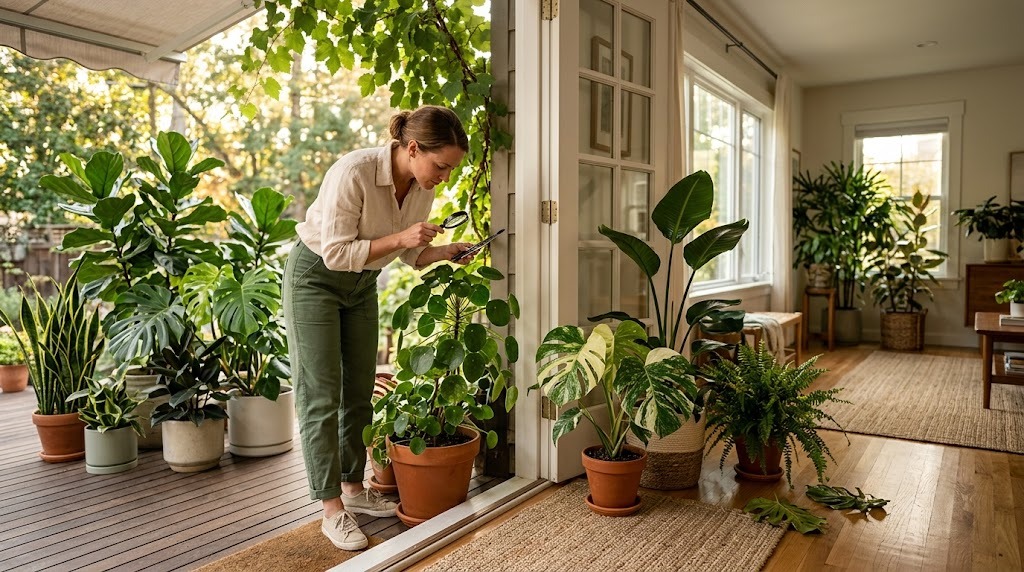
- Make care a calm ritual, not a chore - a few quiet minutes tending plants is part of the benefit.
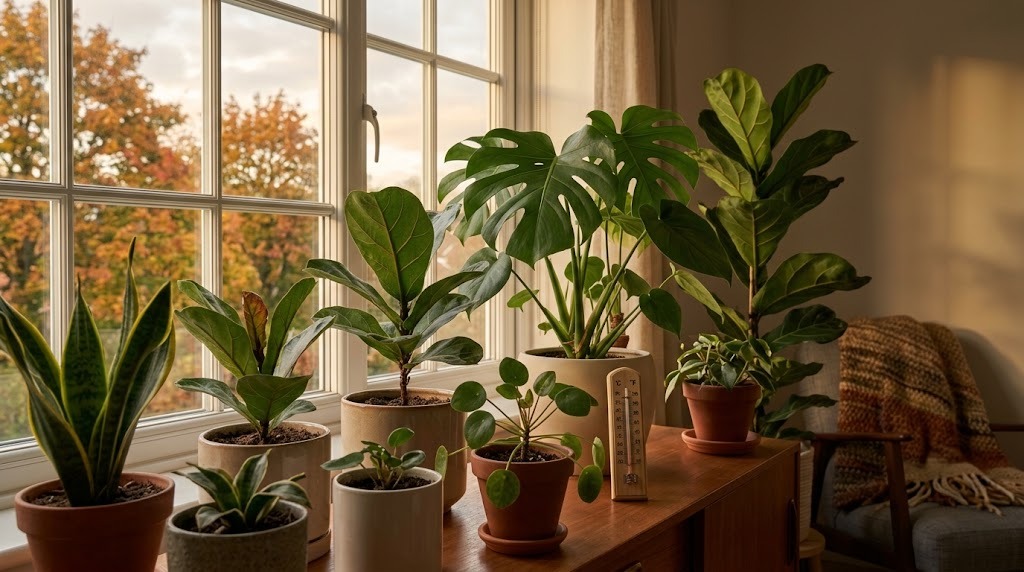
- Get a view of green - a plant on the windowsill, a glimpse of the garden from your desk.
- Garden if you can - even a few containers or a small bed delivers the strong, combined benefits of active gardening.
- Be present with them. The benefit comes partly from noticing - pausing to look, touch, and tend.
Frequently Asked Questions
Do houseplants really improve mental health?
The research is genuinely supportive: contact with plants is consistently linked to lower stress, improved mood, and better focus. These wellbeing benefits are far better-supported than the popular “air-purifying” claims.
How do plants reduce stress?
Through the biophilia response - humans evolved surrounded by nature, so greenery calms the nervous system, measurably lowering cortisol, blood pressure, and heart rate. Caring for plants also provides absorbing, present-moment focus.
Is gardening good for mental health?
Yes - gardening shows particularly strong benefits, combining time outdoors, light exercise, sunlight, routine, nurturing, and visible accomplishment. It’s used in “horticultural therapy” programmes for exactly this reason.
Can plants replace therapy or medication?
No. Plants support wellbeing but are not a treatment for mental illness. They work alongside proper professional help, never as a substitute. If you’re struggling, please reach out to a professional.
How many plants do I need to feel the benefit?
There’s no magic number - even one or two plants where you spend time, in your line of sight, deliver benefits. What matters is contact, noticing, and care, not quantity.
🛒 Recommended Gear on Amazon
- Assorted live houseplant bundle - browse current options and reviews on Amazon.
- Desk planter with drainage - browse current options and reviews on Amazon.
- Long-spout watering can - browse current options and reviews on Amazon.
As an Amazon Associate, we earn from qualifying purchases - at no extra cost to you. This helps us keep producing free, in-depth guides.