Boxwood (Buxus)
Boxwood - simply "box" to many gardeners - is the great structural evergreen of the formal garden.
🗓️ Last reviewed: June 2026
Overview
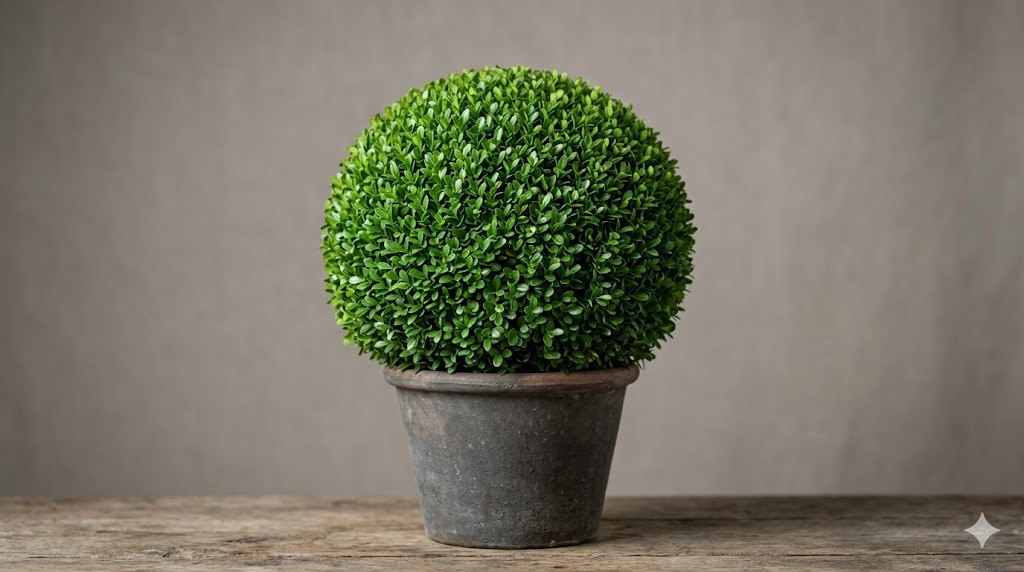
Boxwood - simply "box" to many gardeners - is the great structural evergreen of the formal garden. Slow-growing, dense, and small-leaved, it clips into crisp low hedges, neat edging, rounded balls, cones, spirals, and intricate topiary, holding its shape and rich green colour through every season. For centuries it has given gardens their "bones" - the year-round framework around which everything else is arranged. Boxwood is tough, long-lived, and shade-tolerant. But in recent decades it has come under serious threat from two problems - box blight and the box tree caterpillar/moth - and any honest guide to growing box today must put those front and centre.
Origin & Natural Habitat
Buxus is a genus of evergreen shrubs and small trees native to Europe, Asia, Africa, and the Americas; the common box, Buxus sempervirens, is native to Europe, North Africa, and western Asia, growing wild on chalky and limestone hills, in woodland and scrub, often in part shade. This origin explains its tolerance of shade, its preference for well-drained (often alkaline) soil, and its dense, slow, fine-textured growth - exactly the qualities that make it the perfect clipping plant.
Appearance
Boxwood is a dense, slow-growing evergreen shrub with small, rounded, glossy, leathery leaves of deep green (some varieties are variegated or have golden tones). Left unclipped, common box becomes a large, rounded shrub or small tree over many years; in cultivation it is almost always kept clipped. Its great virtue is the density and small leaf size, which allow it to be cut into precise, smooth, sharp-edged shapes. Dwarf varieties (such as 'Suffruticosa') are used for the lowest, finest edging. The spring flowers are tiny and insignificant but lightly fragrant and attract bees.
Why People Grow It - Qualities & Benefits
- Year-round structure: evergreen "bones" that hold the garden together in every season.
- Superb for clipping: the classic plant for low hedges, edging, balls, cones, and topiary.
- Holds a crisp shape: dense, fine growth takes and keeps a sharp form.
- Shade-tolerant: performs well in part shade, unlike many hedging plants.
- Long-lived: a well-grown box framework can last for generations.
- Formal and cottage versatility: defines parterres and knot gardens, and frames informal borders alike.
- Container-friendly: excellent clipped specimens in pots.
Care
Light & Position
Full sun to part shade - boxwood is notably shade-tolerant, one of its most useful qualities. It dislikes very hot, dry, exposed positions; some shelter and not-too-scorching light suit it best, and help reduce stress that invites disease.
Soil
Fertile, well-drained soil; box tolerates a range of conditions and is happy on chalky, alkaline ground. It dislikes heavy, waterlogged soil, which causes root problems.
Watering
Water well while establishing and during dry spells, particularly box in containers and box grown against walls. Established plants are reasonably drought-tolerant but stressed, dry plants are more disease-prone.
Feeding
Feed in spring with a balanced fertilizer; clipped box, which is regularly losing leaf to the shears, benefits from feeding and a compost mulch to stay dense and well-coloured. Avoid stress from starvation.
Clipping
Box is clipped to shape, typically once or twice a year (early summer, and sometimes again in late summer), avoiding clipping in hot, bright conditions (which can scorch the cut foliage) and very late in the season (soft regrowth is frost-tender). Crucially, clipping technique now matters for disease: clip with clean, disinfected tools, ideally in dry weather, and clear away clippings - box blight spreads on infected debris and tools.
Hardiness & Winter Care
Common box is hardy (commonly to around USDA zone 5-6) and evergreen. Foliage can bronze in cold winter winds; a sheltered position helps.
Planting & Propagation
Plant in autumn or spring in well-drained soil. Propagate easily from semi-ripe or hardwood cuttings - box roots reliably, if slowly. Because of disease, source plants from reputable, blight-free suppliers and consider quarantining new plants before adding them near an existing box collection.
Common Problems & Pests - Blight and Caterpillar
Two serious modern problems dominate box growing:
- Box blight: a devastating fungal disease causing brown or bare patches, black streaking on the stems, leaf drop, and dieback, often spreading rapidly in warm, humid, still conditions. It is spread by infected plants, tools, clippings, and splashing water. Management: buy clean plants, improve air circulation, avoid overhead watering and clipping in wet weather, disinfect tools, clear all clippings, and - increasingly - consider blight-resistant alternatives.
- Box tree caterpillar (box tree moth): the larvae of an introduced moth that defoliate box rapidly, spinning webbing among the leaves and stripping plants, sometimes to bare stems. Management: inspect regularly, remove caterpillars and webbing by hand, use pheromone traps to monitor the moths, and apply biological controls.
- Other issues: box can also suffer from leaf spot, root rot in wet soil, and bronzing in winter wind. The combined pressure of blight and caterpillar has led many gardeners to plant alternatives to box (such as small-leaved evergreens that mimic its look) for new clipped hedging and topiary.
Toxicity & Safety
Boxwood is toxic. All parts of Buxus contain alkaloids and are poisonous if eaten by humans, cats, dogs, horses, and livestock, causing vomiting, diarrhea, and - in larger amounts - more serious effects; box has caused poisoning in grazing animals. Its very bitter taste usually deters animals from eating much, so serious poisoning is uncommon, and box is grown in countless family and formal gardens - but pets, children, and livestock should be kept from eating the foliage.
Pros & Cons
Pros
- Unrivalled for crisp evergreen structure, edging, hedging, and topiary.
- Holds a sharp clipped shape; shade-tolerant; long-lived.
- Year-round "bones" for formal and cottage gardens alike.
- Excellent in containers; easy to propagate.
Cons
- Box blight can devastate plants - a major modern threat.
- Box tree caterpillar can strip plants to bare stems.
- Slow-growing; needs regular clipping and feeding to look its best.
- Toxic if eaten; together the disease and pest pressures lead many to choose alternatives.
Best Suited For
- Low hedges, edging, parterres, and knot gardens.
- Topiary - balls, cones, spirals, and shapes - and clipped pot specimens.
- Formal gardens and the structural framework of cottage gardens.
- Part-shaded positions where many hedging plants struggle.
Not ideal for gardens where box blight or box tree caterpillar is rife (consider alternatives), hot dry exposed sites, waterlogged soil, or gardeners wanting fast results.
FAQ
What is box blight and how do I deal with it? Box blight is a serious fungal disease causing brown patches, leaf drop, black-streaked stems, and dieback, spreading fast in warm, humid, still conditions. It is carried on infected plants, tools, clippings, and splashing water. Manage it by buying clean plants from reputable suppliers, improving air circulation, avoiding overhead watering and clipping in wet weather, disinfecting tools, clearing all clippings, and - for new planting - considering blight-resistant box or alternative plants.
Why has my box been stripped of its leaves? Most likely the box tree caterpillar - the larvae of an introduced moth that rapidly defoliate box, leaving webbing among the leaves and sometimes bare stems. Inspect plants regularly, pick off the caterpillars and webbing by hand, use pheromone traps to monitor the moths, and apply biological controls.
Should I still plant box, given blight and caterpillar? Box remains a wonderful structural plant, but the combined pressure of blight and the box tree caterpillar has led many gardeners to plant alternatives - small-leaved evergreens that give a similar clipped look - especially for new hedging and topiary. If you do plant box, buy clean stock, follow good hygiene, and stay vigilant.
Is boxwood poisonous? Yes - all parts of box are toxic if eaten by people, cats, dogs, horses, and livestock. Its very bitter taste usually deters animals, so serious poisoning is uncommon, but keep pets, children, and grazing animals from eating the foliage.
When should I clip box? Typically once or twice a year - early summer, and sometimes again in late summer - avoiding hot bright conditions (which scorch the cut leaves) and very late clipping (soft regrowth is frost-tender). Always clip with clean, disinfected tools, ideally in dry weather, and clear away the clippings to limit box blight.