Culinary Herbs Bed
A culinary herbs bed is one of the most useful and rewarding things any gardener can grow - a small, manageable patch, ideally just outside the kitchen door, that puts fresh flavour within arm's reach all season.
🗓️ Last reviewed: June 2026
Overview
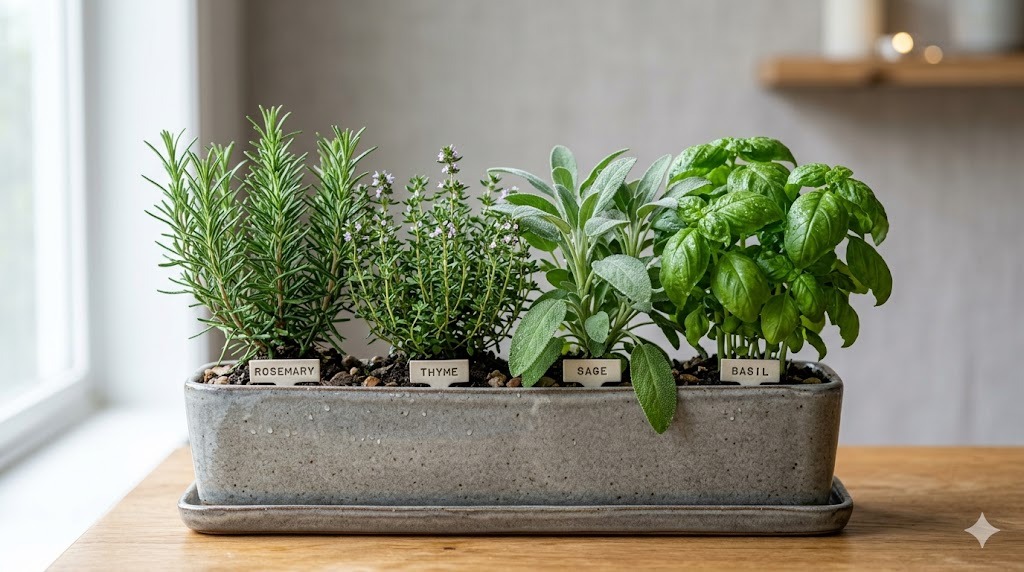
A culinary herbs bed is one of the most useful and rewarding things any gardener can grow - a small, manageable patch, ideally just outside the kitchen door, that puts fresh flavour within arm's reach all season. Rosemary, thyme, sage, mint, basil, oregano and their companions transform cooking, cost a fortune in the shops for a few wilting sprigs, and yet are mostly easy, productive, and forgiving to grow. This guide treats the herb bed as a planting project rather than a single plant - because the secret to a successful herb bed is understanding that herbs fall into distinct groups with very different needs, and grouping them accordingly.
Origin & Natural Habitat
Most classic culinary herbs fall into two great origin groups, and this is the key to the whole bed:
- Mediterranean herbs - rosemary, thyme, sage, oregano, marjoram, and (botanically) lavender - originate from the hot, dry, sunny, rocky hillsides of the Mediterranean. They are adapted to drought, poor stony soil, and blazing sun.
- Soft, leafy herbs - basil, mint, parsley, chives, coriander/cilantro, dill - have varied origins but generally come from richer, moister conditions; basil in particular is a tender, warmth-loving plant of tropical/subtropical origin.
Understanding these origins tells you exactly how to grow and group them.
Appearance
A herb bed is, by nature, mixed and varied. The Mediterranean herbs are mostly small, woody or semi-woody, evergreen or semi-evergreen sub-shrubs with small, aromatic, often grey-green or needle-like leaves (rosemary, thyme, sage). The soft herbs are leafier and greener - basil with its broad tender leaves, parsley's curled or flat foliage, the grassy clumps of chives, the spreading mats of mint. Many herbs, if allowed to flower, produce small flowers that are highly attractive to bees - and the bed as a whole is a patchwork of textures, scents, and foliage colours.
Why People Grow It - Qualities & Benefits
- Fresh flavour on demand: herbs picked moments before cooking are incomparable.
- Excellent value: a few plants replace endless expensive supermarket packets.
- Compact and accessible: a small bed, raised bed, or cluster of pots is enough.
- Mostly easy and productive: many herbs are tough, forgiving, and crop generously.
- Fragrance and beauty: an aromatic, attractive, sensory feature of the garden.
- Great for pollinators: herbs allowed to flower are superb bee and butterfly plants.
- Perfect by the kitchen door: convenience encourages regular picking and use.
Care - by Herb Group
The Golden Rule: Group Herbs by Their Needs
The single most important principle of a herb bed is that Mediterranean herbs and soft leafy herbs want opposite conditions - so they should be grouped accordingly, not mixed indiscriminately.
Mediterranean Herbs (rosemary, thyme, sage, oregano, marjoram)
- Light: full sun - the hotter and brighter the better.
- Soil: poor, gritty, free-draining soil. They thrive on lean ground and dislike rich, heavy, wet soil; winter wet is their main killer.
- Watering: minimal once established - they are highly drought-tolerant. Overwatering is more dangerous than underwatering.
- Feeding: little or none - rich feeding produces soft, floppy, less flavourful growth.
- Form: mostly hardy perennials/sub-shrubs that benefit from a light trim to stay bushy and prevent legginess.
Soft Leafy Herbs (basil, parsley, chives, coriander, dill)
- Light: sun to part shade (basil wants warmth and sun; parsley, mint, and chives tolerate some shade).
- Soil: richer, moisture-retentive but well-drained soil.
- Watering: regular, consistent watering - they dislike drying out, which makes them bolt (run to seed) or turn bitter.
- Feeding: benefit from moderate feeding for lush, leafy growth.
- Form: a mix - basil and (often) coriander and dill are tender annuals; parsley is a biennial usually grown as an annual; chives are a hardy perennial.
Mint - Grow It in a Pot
Mint deserves a special warning. Mint spreads aggressively by underground runners and will rapidly invade and take over an entire herb bed, crowding out everything else. Always grow mint in its own container - a pot, or a bottomless container sunk into the bed - to contain its roots. This one rule saves countless herb beds.
Harvesting
Pick herbs regularly - frequent picking keeps soft herbs productive and bushy, and is itself a form of beneficial pruning. Pinch out the flowering tips of basil and other soft herbs to keep them producing leaves (once they flower and set seed, leaf quality and quantity decline). For Mediterranean herbs, regular light picking and trimming keeps them compact.
Hardiness & Winter Care
The Mediterranean herbs and chives are mostly hardy perennials that overwinter outdoors (rosemary and sage are evergreen; thyme and oregano semi-evergreen). Basil is frost-tender and grown only in the warm season, or indoors. Parsley and coriander tolerate cool conditions. In cold or wet climates, sharp drainage (or pot-growing) greatly improves the survival of Mediterranean herbs over winter.
Planting & Propagation
Plant or sow in spring (sow basil only once warm; many soft herbs can be sown in succession for a continuous supply). Mediterranean herbs are easily propagated from cuttings; chives and mint by division; basil, parsley, coriander, and dill from seed. Buying young plants of the perennial herbs and sowing the annuals is a common, practical mix.
Common Problems & Pests
- Mint taking over the bed: the classic disaster - prevented entirely by growing mint in a contained pot.
- Mediterranean herbs rotting or dying: almost always rich, heavy, or wet soil, especially over winter - give them lean soil and sharp drainage.
- Soft herbs bolting (running to seed): basil, coriander, and others bolt when stressed by heat, drought, or age - keep them watered, pick regularly, and sow in succession.
- Leggy, woody Mediterranean herbs: caused by not trimming - keep them lightly clipped (and note rosemary, like lavender, resents being cut hard into old bare wood).
- Powdery mildew, slugs (on soft herbs), and aphids: can occur; basil is also prone to cold damage and to fungal problems if overwatered.
Toxicity & Safety
The classic culinary herbs - rosemary, thyme, sage, oregano, marjoram, basil, parsley, chives, mint, dill, coriander - are grown to be eaten and are safe and non-toxic for humans. For pets the picture is mostly reassuring but with nuances worth noting: most culinary herbs are considered non-toxic or low-toxicity to cats and dogs, but chives belong to the onion/Allium family and are toxic to pets (as are onions and garlic), and a few herbs may cause mild stomach upset if a pet eats a large amount. As a general guide a culinary herb bed is family- and pet-friendly, but keep pets from grazing on chives in particular. The herbs are also excellent for pollinators when allowed to flower.
Pros & Cons
Pros
- Fresh flavour on demand; excellent value versus shop-bought.
- Compact, accessible, and mostly easy and productive.
- Fragrant and attractive; superb for pollinators when in flower.
- A rewarding, useful project for any size of garden.
Cons
- Mediterranean and soft herbs need opposite conditions - must be grouped.
- Mint is invasive and must be contained in a pot.
- Soft herbs bolt if stressed; basil is frost-tender.
- Mediterranean herbs rot in wet, rich soil; chives are toxic to pets.
Best Suited For
- A sunny spot just outside the kitchen door - for convenient picking.
- Small gardens, raised beds, and collections of pots and containers.
- Beginner gardeners and anyone who cooks.
- Pollinator-friendly, fragrant, productive planting.
Not ideal for deep shade (most herbs), heavy waterlogged soil (Mediterranean herbs, without raised beds/pots), or a bed where mint is left to run free.
FAQ
Why should I group herbs separately? Because culinary herbs fall into two groups with opposite needs. Mediterranean herbs - rosemary, thyme, sage, oregano - want full sun, poor lean soil, sharp drainage, and very little water. Soft leafy herbs - basil, parsley, coriander - want richer, moister soil and regular watering. Grow them mixed together and one group always suffers; group them by their needs and both thrive.
Why do I need to grow mint in a pot? Mint spreads aggressively by underground runners and will quickly invade and take over an entire herb bed, crowding out every other plant. Growing mint in its own container - or a bottomless pot sunk into the bed - contains the roots and stops it running riot. This is one of the most important rules of a herb bed.
Why does my basil (or coriander) keep running to seed? This is "bolting" - the plant rushing to flower and set seed, after which leaf quality and quantity decline. It is triggered by stress: heat, drought, or simply the plant's age. Keep soft herbs well watered, pick them regularly, pinch out flowering tips, and sow fresh batches in succession for a continuous supply.
Why did my rosemary or thyme die? Almost always rich, heavy, or wet soil - especially over winter. Mediterranean herbs evolved on poor, stony, free-draining ground and cannot cope with cold, wet roots. Grow them in lean soil with sharp drainage, or in pots, and do not overwater or over-feed them.
Are culinary herbs safe for pets? Most common culinary herbs are non-toxic or low-toxicity to cats and dogs and are family-friendly. The notable exception is chives, which - being part of the onion family - are toxic to pets, as onions and garlic are. Keep pets from grazing on chives in particular.