Dahlia
The dahlia is the dazzling star of the late-summer and autumn garden - a plant of almost unbelievable variety, from tiny button pompons to "dinner-plate" blooms the size of a face, in every color but true blue, and in a dozen distinct flower forms.
🗓️ Last reviewed: June 2026
Overview
The dahlia is the dazzling star of the late-summer and autumn garden - a plant of almost unbelievable variety, from tiny button pompons to "dinner-plate" blooms the size of a face, in every color but true blue, and in a dozen distinct flower forms. Dahlias flower tirelessly from midsummer until the first frost cuts them down, making them one of the longest-blooming and most generous plants you can grow, and the darling of the cut-flower garden. The trade-off is honest effort: dahlias grow from frost-tender tubers, so in cold climates they must be lifted and stored over winter (or replanted each year), and they need staking, feeding, and protection from slugs.
Origin & Natural Habitat
Dahlias are native to Mexico and Central America, where they grow in upland and mountainous regions. They were cultivated by the Aztecs and later sent to Europe, where intensive breeding produced the thousands of garden varieties grown today. The dahlia is the national flower of Mexico. Its tropical-highland origin explains its character: it loves warmth and sun, flowers in the long days of summer, and - crucially - is frost-tender, with no adaptation to surviving freezing winters.
Appearance
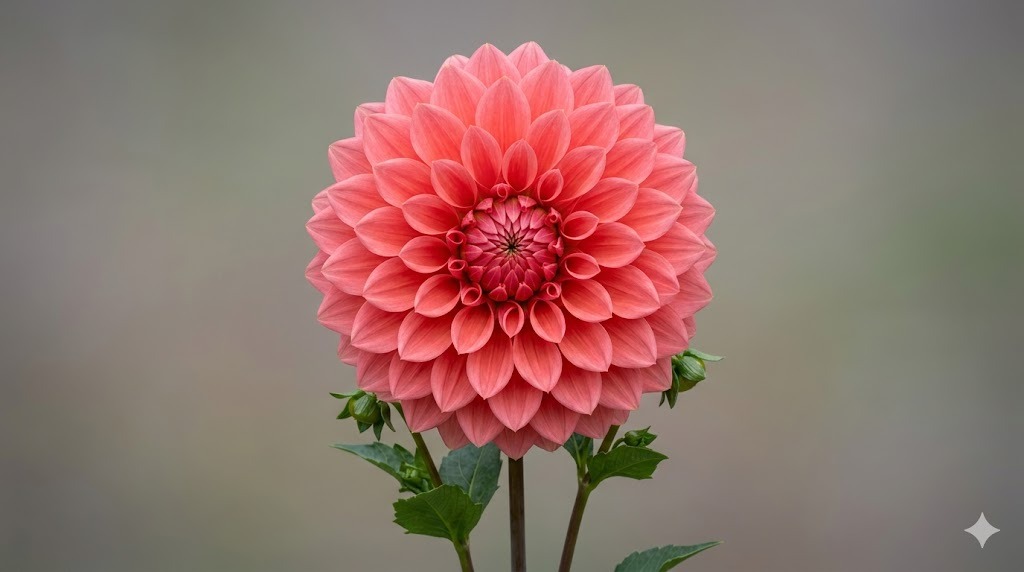
Dahlias grow from clumps of fleshy underground tubers, producing bushy, upright plants 30 cm to 1.5 m or more tall, with dark green (sometimes bronze) divided leaves. The flowers are the glory: officially classified into groups including single, anemone, collerette, waterlily, decorative, ball, pompon, cactus, semi-cactus, and more. Sizes run from 5 cm pompons to "dinner-plate" decoratives over 25 cm across. The color range covers white, yellow, orange, red, pink, purple, near-black, and countless bicolors and blends.
Why People Grow It - Qualities & Benefits
- Extraordinary variety: thousands of varieties in many forms, sizes, and colors.
- Exceptionally long bloom: flowers nonstop from midsummer to the first frost.
- Late-season color: carries the garden through autumn when much else fades.
- The ultimate cut flower: a cutting-garden mainstay; the more you cut, the more it blooms.
- Bold impact: from delicate to dramatic dinner-plate spectacle.
- Pollinator value: open-centred (single, collerette) types are good for bees.
Care
Light & Position
Full sun - at least six hours, ideally more - in a warm, sheltered spot. Dahlias flower poorly and grow leggy in shade.
Soil
Fertile, humus-rich, moist but well-drained soil, improved with compost. Waterlogged soil rots the tubers.
Planting
Plant tubers in spring, after all danger of frost has passed (or start them earlier under cover and plant out after frost). Set the tuber a few centimetres deep with the old stem base pointing up. Put the stake in at planting time, before the plant grows, to avoid spearing the tubers later.
Watering
Dahlias are thirsty, especially once flowering. Water deeply and regularly in dry spells through summer; mulch to conserve moisture. Avoid waterlogging.
Feeding
Feed for flowers, not leaves. Use a fertilizer higher in potassium and lower in nitrogen (a tomato-type feed works well) once growth is established and through the flowering season. Excess nitrogen gives lush leaves and few blooms.
Staking, Pinching & Deadheading
Tall and large-flowered dahlias must be staked. Pinch out the growing tip of young plants to encourage bushy, branching, more floriferous growth. Deadhead relentlessly - removing spent flowers (and cutting blooms for the vase) is what keeps a dahlia flowering nonstop until frost. Learn to tell a spent flower (pointed bud-like) from a new bud (rounded).
Overwintering - the key seasonal task
Dahlias are frost-tender. After the first frost blackens the foliage:
- In cold climates: cut down the stems, carefully lift the tuber clumps, dry them, and store them somewhere cool, dark, dry, and frost-free over winter; replant in spring. Alternatively, treat dahlias as annuals and buy fresh tubers.
- In mild, frost-free climates: dahlias can be left in the ground over winter, perhaps with a protective mulch.
Hardiness & Winter Care
Dahlias are not winter-hardy where the ground freezes - roughly USDA zone 8 and warmer for leaving them in the ground; in colder zones they must be lifted and stored, or grown as annuals.
Planting & Propagation
Plant tubers in spring after frost. Propagate by dividing the tuber clumps in spring (each division must include a piece of the old stem with a growth "eye"), or from basal cuttings taken from sprouting tubers in late winter/early spring. Dahlias also grow from seed, though seed-raised plants vary.
Common Problems & Pests
- Slugs and snails: the major pest - they devastate the soft young shoots in spring and can destroy a newly emerged dahlia; protect from the moment growth appears.
- Earwigs: chew ragged holes in petals and leaves, mostly feeding at night.
- Few flowers / all leaves: too much nitrogen, too much shade, or failure to deadhead.
- Tubers rotting in storage: stored too damp, too warm, or damaged when lifted.
- Aphids, capsid bugs, powdery mildew, and viruses: can affect plants; remove virused plants.
- Frost: the first frost ends the season - and kills tubers left unprotected in cold ground.
Toxicity & Safety
Dahlias are generally regarded as mildly toxic / low-toxicity - they are listed as mildly toxic to cats and dogs, capable of causing mild gastrointestinal upset and, with the sap, possible mild skin irritation. Serious poisoning is uncommon, and dahlias are widely grown in family gardens; the petals are even considered edible for humans. Overall they are a reasonably safe choice, but discourage pets from chewing the foliage and tubers.
Pros & Cons
Pros
- Extraordinary variety of form, size, and color.
- Flowers nonstop from midsummer until frost.
- The premier cut flower; more blooms the more you cut.
- Bold late-season impact when much of the garden fades.
Cons
- Frost-tender - tubers must be lifted and stored in cold climates (or replaced).
- Need staking, generous feeding, watering, and deadheading.
- Slugs and earwigs are persistent pests.
- Mildly toxic to pets; more work than most border plants.
Best Suited For
- Cutting gardens - the classic dahlia use.
- Sunny borders and beds wanting bold late-summer and autumn color.
- Containers (especially compact varieties).
- Dedicated gardeners happy to stake, feed, deadhead, and overwinter.
Not ideal for low-effort gardeners, deep shade, waterlogged soil, or anyone unwilling to either lift the tubers or replant each year in a cold climate.
FAQ
Do I have to dig up my dahlias every winter? It depends on your climate. Where the ground freezes, yes - dahlia tubers are frost-tender, so after the first frost you lift, dry, and store them somewhere cool, dark, and frost-free, then replant in spring. In mild, frost-free climates they can stay in the ground, ideally with a protective mulch. Alternatively, treat them as annuals and buy fresh tubers each year.
Why does my dahlia have lots of leaves but few flowers? Usually too much nitrogen fertilizer, which pushes leafy growth at the expense of blooms. Switch to a high-potassium feed (a tomato-type fertilizer), make sure it has full sun, and deadhead regularly.
How do I keep my dahlias flowering until frost? Deadhead relentlessly - remove every spent flower, and cut blooms for the vase. The more you remove old flowers, the more new ones the plant produces. Combined with full sun, watering, and a high-potassium feed, this keeps dahlias blooming right up to the first frost.
Why are my young dahlia shoots being eaten? Slugs and snails - they love the soft new growth and can destroy an emerging dahlia. Protect the shoots from the moment they appear. Earwigs, which chew ragged holes later in the season, are another common dahlia pest.
Are dahlias safe for pets? Dahlias are considered mildly toxic to cats and dogs - they may cause mild stomach upset if eaten, and the sap can mildly irritate skin. They are not a serious hazard and are widely grown in family gardens, but discourage pets from chewing them.