Delphinium
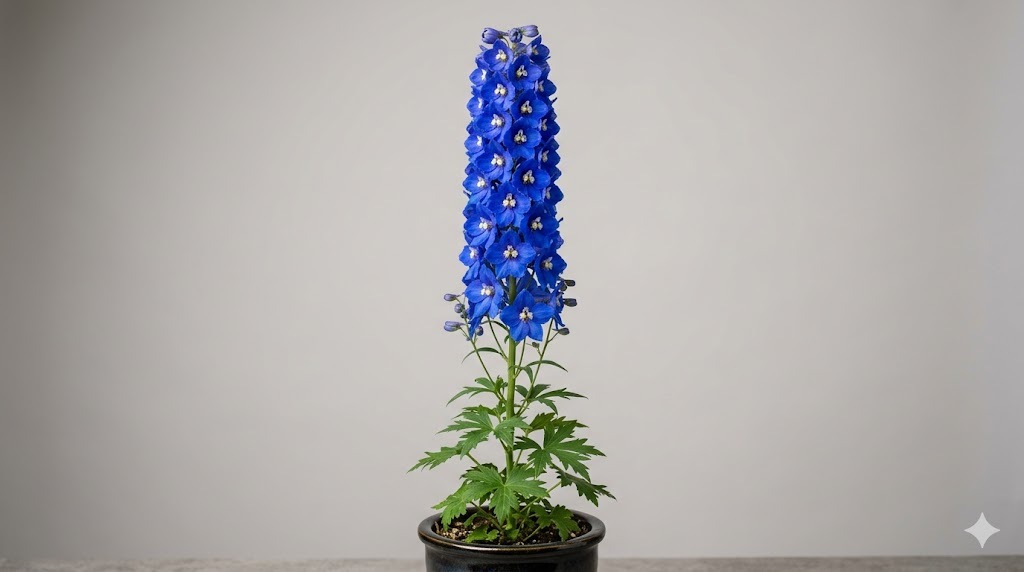
The delphinium is the grand statement of the classic English-style summer border - towering spires, sometimes well over head height, packed with hundreds of flowers in the most intense blues found anywhere in the garden, plus purple, white, pink, and lilac.
🗓️ Last reviewed: June 2026
Overview
The delphinium is the grand statement of the classic English-style summer border - towering spires, sometimes well over head height, packed with hundreds of flowers in the most intense blues found anywhere in the garden, plus purple, white, pink, and lilac. Few plants are as dramatic. But the delphinium asks for that drama in return: it is a hungry, thirsty, slug-loved plant whose tall hollow stems must be staked, or a single storm will flatten the whole show. Delphiniums are not difficult, exactly - but they are demanding. Grown well, they are the spectacular vertical centerpiece nothing else can replace.
Origin & Natural Habitat
Delphinium is a genus of around 300 species found across the Northern Hemisphere - mountain meadows, woodland clearings, and grasslands, often in cool, moist, fertile ground. The tall garden hybrids (especially the famous Elatum group) are highly bred plants developed for the border. Their preference for cool summers, rich moist soil, and shelter reflects that mountain-meadow ancestry - and explains why delphiniums perform best in cooler temperate climates and struggle in hot, humid ones.
Appearance
Garden delphiniums are clump-forming herbaceous perennials. The tall border types reach 1.5-2 m or more in flower, sending up several stout, hollow flower stems above a clump of deeply cut, palm-shaped green leaves. Each stem is a dense vertical raceme of many flowers, often with a contrasting central tuft of petals called the "bee." The color range is led by the famous true and deep blues - rare in the plant world - alongside purple, violet, white, cream, pink, and lilac. Shorter and dwarf types exist for windier or smaller gardens.
Why People Grow It - Qualities & Benefits
- Dramatic height and structure: unrivalled vertical accent in the border.
- Intense blues: some of the truest, deepest blue flowers of any garden plant.
- Classic cottage- and English-border character: quintessential summer elegance.
- Generous flower spikes: each stem carries a great mass of bloom.
- Repeat flowering: cutting back spent spikes often brings a second, later flush.
- Excellent cut flowers for tall, statement arrangements.
- Pollinator value: bees work the flower spikes.
Care
Light & Position
Full sun (light afternoon shade is tolerated in hot climates), in a position sheltered from strong wind. Wind is a serious enemy of tall delphiniums - choose a spot with shelter, ideally against a wall, hedge, or among other plants.
Soil
Rich, fertile, deep, moisture-retentive but well-drained soil, generously improved with compost or well-rotted manure. Delphiniums are hungry plants and dislike both drought and waterlogging - wet winter soil rots the crown.
Watering
Keep the soil consistently moist, especially in spring and summer as the spikes develop. Delphiniums are thirsty and drought stress weakens the spikes. Mulch to conserve moisture.
Feeding
Feed generously - delphiniums are hungry. Apply a balanced fertilizer in spring as growth starts, and again after the first flowering to support a second flush. A compost or manure mulch is highly beneficial.
Staking - essential
Tall delphiniums must be staked, and staked early. The hollow flower stems are heavy and brittle, and a single storm or gust can snap them or flatten the whole clump. Put supports - canes, link stakes, or a grow-through grid - in place as the plants grow, well before flowering, and tie the stems in as they extend. This is not optional for the tall types.
Thinning, Deadheading & Second Flush
For the strongest spikes, thin the shoots in spring on established clumps - remove the weakest, leaving a few strong stems. After the first flush, cut spent flower spikes down to encourage a second, later flush of bloom. Cut the whole plant down in autumn.
Hardiness & Winter Care
Garden delphiniums are hardy, commonly to around USDA zone 3-4. They need a cool winter dormancy and perform best in climates with cool summers; in hot, humid regions they are often short-lived and treated almost as annuals or biennials. The main winter risk is wet soil rotting the crown - good drainage helps.
Planting & Propagation
Plant in spring in rich, improved, well-drained soil. Propagate named varieties by division in spring, or from basal cuttings taken from the new spring shoots - seed does not come true for hybrids. Protect the vulnerable young spring shoots from slugs from the moment they emerge.
Common Problems & Pests
- Slugs and snails: the number-one problem - they devour the tender emerging spring shoots and can destroy a plant before it even gets going. Protect the shoots from the moment they appear.
- Wind and rain damage: unstaked or poorly staked stems snap or flatten - stake early.
- Powdery mildew: common in crowded, dry, or stagnant conditions; ensure air flow and adequate moisture.
- Delphinium black blotch & crown/root rot: bacterial and fungal diseases - improve hygiene and drainage; remove affected growth.
- Short-lived in hot climates: delphiniums dislike heat and humidity and may not persist where summers are hot.
Toxicity & Safety
Delphinium is toxic - and seriously so. All parts of the plant, especially the young foliage and the seeds, contain alkaloids and are poisonous to humans, cats, dogs, horses, and livestock if eaten. Ingestion can cause vomiting, drooling, weakness, and, in larger amounts, dangerous effects on the heart and nervous system; delphiniums and their relatives are a known cause of serious livestock poisoning. Keep children, pets, and grazing animals away from the plant, and wear gloves when handling it, as the sap can also irritate skin.
Pros & Cons
Pros
- Dramatic height and unrivalled vertical structure.
- Some of the truest, most intense blues in gardening.
- Generous flower spikes; possible second flush; superb cut flowers.
- Classic, elegant, quintessential summer-border plant.
Cons
- Tall stems must be staked early or storms destroy them.
- Slugs devastate the emerging spring shoots.
- Hungry and thirsty - demanding of feeding and watering.
- Toxic to people, pets, and livestock; often short-lived in hot climates.
Best Suited For
- Cooler temperate climates with cool summers.
- Sheltered, sunny, rich-soiled borders - classic cottage and English-style gardens.
- The back of the border, as a vertical centerpiece.
- Cutting gardens; dedicated gardeners willing to feed, water, stake, and fight slugs.
Not ideal for hot, humid climates, windy exposed gardens, low-effort gardeners, or households with grazing pets, children, or livestock who might eat the plant.
FAQ
Do I really have to stake delphiniums? For the tall border types, yes - it is essential. The hollow flower stems are heavy and brittle, and a single storm can snap them or flatten the clump. Put supports in place early, as the plants grow, and tie the stems in before flowering. Only the dwarf types can manage without.
Why do my delphiniums get eaten before they even flower? Slugs and snails. They love the tender young shoots that emerge in spring and can destroy a delphinium before it gets going. Protect the shoots with barriers, traps, or wildlife-safe controls from the moment they appear.
Are delphiniums poisonous? Yes - and seriously. All parts, especially young growth and seeds, are toxic to people, cats, dogs, horses, and livestock if eaten, and can cause dangerous heart and nervous-system effects. Keep children, pets, and grazing animals away, and wear gloves when handling the plant.
Why are my delphiniums short-lived? Delphiniums dislike heat and humidity. In hot-summer climates they are often short-lived and behave almost as annuals or biennials. They perform far better, and live longer, in cooler temperate regions with rich, moist soil.
How do I get a second flush of flowers? After the first flush, cut the spent flower spikes down, keep the plant fed and watered, and many delphiniums will produce a second, later flush of bloom.