Lilac
The lilac is the shrub that announces spring with scent.
🗓️ Last reviewed: June 2026
Overview
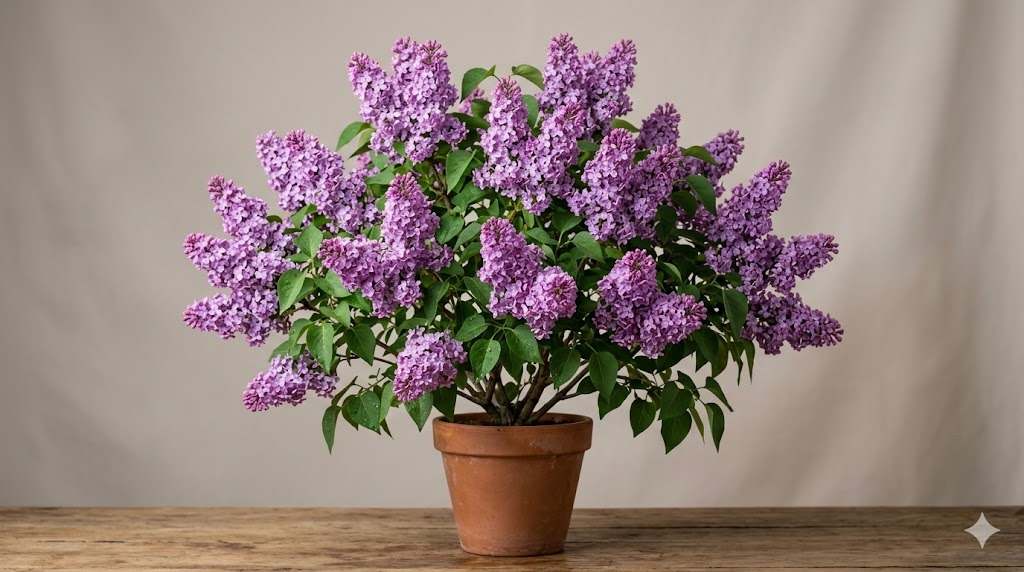
The lilac is the shrub that announces spring with scent. For a few unforgettable weeks it covers itself in dense, conical clusters of tiny flowers - purple, lilac, white, pink, even pale yellow - and pours fragrance across the whole garden. It is an old-fashioned, hardy, long-lived shrub, often found thriving by abandoned houses decades after the gardeners left. Lilac is easy and tough, asking mainly for sun and a yearly understanding of when to prune. Its one drawback is honest: the spectacular bloom is brief, and the rest of the year the shrub is fairly plain.
Origin & Natural Habitat
The common lilac (Syringa vulgaris) originates in the rocky hills of southeastern Europe; other species come from Asia. In the wild lilacs grow on open, sunny slopes and woodland edges in well-drained ground, often on limestone. They are plants of cold-winter, continental climates - and they genuinely need a proper cold winter to flower well. This is why lilacs are beloved in northern and continental gardens and disappointing in mild, frost-free ones.
Appearance
Lilac is a deciduous shrub or small tree, typically 2-4 m tall (some compact varieties stay around 1 m). It has heart-shaped green leaves and an upright, sometimes suckering, multi-stemmed habit. In mid to late spring it produces the famous panicles - dense pyramidal flower clusters of many small, four-lobed, sweetly scented flowers. Colors span deep purple, classic lilac, mauve, pink, white, and creamy yellow; many are richly fragrant, though some modern types are bred more for color than scent.
Why People Grow It - Qualities & Benefits
- Fragrance: one of the most powerful and nostalgic scents in the garden.
- Spring spectacle: weeks of generous, romantic bloom.
- Cut flowers: classic, gorgeous, scented bouquets.
- Toughness & longevity: very hardy, long-lived, low-maintenance once established.
- Pollinators: flowers attract bees and butterflies.
- Heritage charm: an old-cottage-garden classic with deep sentimental appeal.
Care
Light & Position
Full sun - at least six hours a day. Shade dramatically reduces flowering. Give lilac an open, airy position; good air circulation helps prevent powdery mildew.
Soil
Fertile, well-drained soil. Lilac prefers neutral to slightly alkaline conditions and dislikes acidic or waterlogged soil. On acid ground, a little garden lime helps.
Watering
Water well while establishing and during dry spells in the first years. Established lilacs are quite drought-tolerant and need watering only in prolonged drought.
Feeding
Lilac is not greedy. A spring application of a balanced fertilizer or compost mulch is plenty. Avoid high-nitrogen feeds, which encourage leaves over flowers.
Pruning - the timing that matters
Lilac flowers on old wood, forming next year's buds soon after blooming. Prune right after flowering - never in winter or spring, or you cut off the coming year's flowers. After bloom: deadhead spent flower clusters and remove weak, crossing, or dead stems. Every few years, remove a few of the oldest thick stems at the base to renew the shrub. Overgrown, bare lilacs can be rejuvenated by hard renewal pruning over two or three years.
Seasonal Care & Suckers
Many lilacs sucker, sending up shoots around the base. Remove unwanted suckers to keep the shrub tidy (or let them form a thicket if you want one).
Hardiness & Winter Care
Lilac is very hardy (commonly USDA zone 3-7) and needs no winter protection in cold climates. It actively requires winter cold to flower - in mild, warm-winter regions it often grows leaves but few flowers, and is simply the wrong plant for those gardens.
Planting & Propagation
Plant in autumn or early spring in a sunny, well-drained spot. Propagate from suckers (the easiest method - dig and replant rooted ones), from softwood cuttings, or by layering. Named varieties are often grafted; suckers from grafted plants may revert to the rootstock.
Common Problems & Pests
- No flowers: too much shade, pruning at the wrong time (winter/spring), excess nitrogen, a too-young plant, or a climate without enough winter cold.
- Powdery mildew: a white coating on leaves in late summer - common, unsightly, but rarely harmful; improve air flow.
- Lilac borer & scale: can affect stressed plants; keep the shrub healthy.
- Suckering: can spread more than wanted; remove suckers as needed.
Toxicity & Safety
True lilac (Syringa) is generally regarded as non-toxic and safe for cats, dogs, horses, and humans - a genuinely pet-friendly flowering shrub. (Note: unrelated plants sometimes called "Persian lilac" or "Indian lilac," such as Melia, are toxic - but those are different species, not real lilacs.)
Pros & Cons
Pros
- Glorious, powerful spring fragrance.
- Very hardy, tough, and long-lived.
- Low-maintenance once established.
- Pet-safe; good for pollinators and cut flowers.
Cons
- Bloom is brief - a few weeks a year.
- Plain, unremarkable shrub the rest of the season.
- Needs cold winters - poor performer in mild climates.
- Can sucker; prone to late-summer powdery mildew.
Best Suited For
- Cold and continental-climate gardens.
- Cottage gardens, mixed borders, informal screens and hedges.
- Sunny, open positions with room to grow.
- Gardeners who want fragrance and don't mind a plain shrub between blooms.
Not ideal for mild frost-free climates, deep shade, or small gardens with no room for a large, once-a-year-spectacular shrub.
FAQ
Why won't my lilac flower? The usual causes: too much shade, pruning at the wrong time (lilac sets buds right after blooming, so winter/spring pruning removes them), too much nitrogen fertilizer, a plant that is still too young, or a climate without enough winter cold.
When should I prune a lilac? Immediately after flowering. Lilac forms next year's flower buds on old wood soon after bloom, so any later pruning sacrifices flowers.
Are lilacs safe for pets? Yes - true lilac (Syringa) is considered non-toxic to cats, dogs, and horses. (Plants confusingly nicknamed "Persian lilac," like Melia, are different and toxic.)
Why does my lilac get white powder on the leaves? That is powdery mildew, common in late summer. It looks bad but rarely harms the shrub. Good air circulation and a sunny, open position reduce it.
My lilac is sending up shoots from the ground - what are they? Those are suckers. Lilacs naturally sucker; pull or dig out unwanted ones, or use them to propagate new plants.