Ornamental Grasses
Ornamental grasses are the plants that brought movement, light, and texture into the modern garden.
🗓️ Last reviewed: June 2026
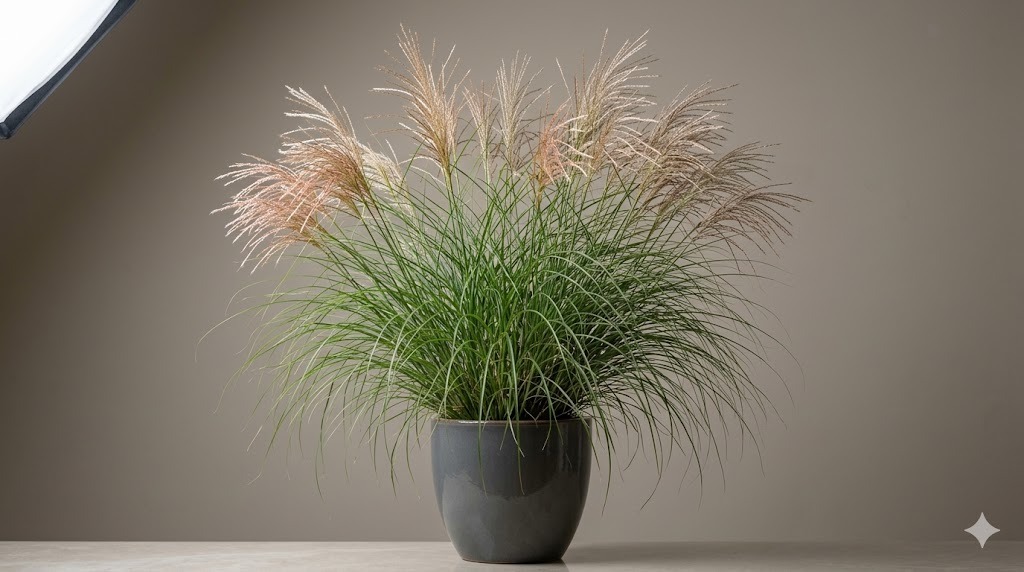
Overview
Ornamental grasses are the plants that brought movement, light, and texture into the modern garden. Where flowering plants give colour, grasses give something else - the sway and rustle of foliage in the wind, the way low sun catches a feathery seed head and makes it glow, the soft contrast that sets off bolder flowers. They are central to the naturalistic, prairie-style planting that has reshaped gardens in recent decades. As a group they are tough, hardy, drought-tolerant, and remarkably low-maintenance - most need only one cut a year. This guide covers the popular ornamental grasses such as Miscanthus, Pennisetum (fountain grass), Calamagrostis, Stipa, and Festuca.
Origin & Natural Habitat
Ornamental grasses are drawn from grass species across the world - the prairies and plains of North America, the steppes of Asia, the grasslands of Africa, and meadows of Europe. Miscanthus comes largely from East Asia; many Pennisetum from Africa and warm regions; Stipa (feather grasses) from steppe and dry grassland. Their shared origin in open, sunny grassland habitats explains their character: they want sun, they cope with drought and poor soil, and they are adapted to wind. Understanding whether a particular grass comes from a warm or cool climate also explains a key distinction in how they grow and are cut.
Appearance
Ornamental grasses are enormously varied, ranging from low tufts of 15 cm to towering specimens of 2-3 m. Most form clumps of narrow, arching or upright, linear leaves - green, blue-grey, gold, variegated, or even red-tinted - and in summer or autumn send up flower and seed heads: airy plumes, fluffy panicles, feathery spikes, or delicate sprays that catch the light and persist, often beautifully, into winter. A key practical division is between:
- Deciduous grasses (e.g. Miscanthus, Calamagrostis, Panicum): die back to a dormant clump over winter.
- Evergreen grasses (e.g. Festuca, many Carex sedges, Stipa tenuissima in mild climates): keep their foliage year-round.
There is also a "cool-season" vs "warm-season" distinction in their growth cycle.
Why People Grow It - Qualities & Benefits
- Movement and sound: grasses sway, ripple, and rustle - a quality no other plant gives.
- Light: seed heads and foliage glow when backlit by low sun.
- Texture and contrast: the fine, linear forms set off broad leaves and bold flowers.
- Long season of interest: many look good from summer through autumn and standing into winter.
- Tough and low-maintenance: hardy, drought-tolerant, and largely pest- and disease-free.
- Naturalistic planting: the backbone of prairie- and meadow-style schemes.
- Wildlife value: provide shelter, and seeds and nesting material, for wildlife.
Care
Light & Position
Full sun for the great majority of ornamental grasses - it gives the strongest growth, the best flowering/seed heads, and the most intense foliage colour. A number of grasses and sedges (notably many Carex) do tolerate or prefer shade - choose those for shadier spots. Open, airy positions show off the movement.
Soil
Most ornamental grasses are unfussy and well-drained soil suits the majority; many tolerate poor, dry soils. Some (such as certain Carex and moor grasses) prefer moist conditions - again, match the grass to the site. Few like permanently waterlogged ground, and rich soil can make some grasses lush and floppy.
Watering
Water to establish; once settled, most ornamental grasses are notably drought-tolerant and need little watering. Moisture-loving types are the exception.
Feeding
Generally little or no feeding is needed - most grasses thrive in lean conditions, and rich feeding can cause weak, floppy growth.
The One Big Job - Cutting Back
The defining maintenance task, and it depends on the type:
- Deciduous grasses: leave the dead foliage and seed heads standing through autumn and winter (for looks and wildlife), then cut the whole clump down close to the ground in late winter or early spring, before the new growth starts.
- Evergreen grasses and sedges: do not cut to the ground - instead, simply comb or "groom" them, gently pulling or raking out the dead material by hand (often wearing gloves), and tidying as needed.
Cutting an evergreen grass to the ground like a deciduous one can seriously damage or kill it - knowing which type you have is essential.
Dividing
Many clump-forming grasses become congested or die out in the centre over the years; divide them every few years, in spring, to rejuvenate the clump and make new plants. Spring (as growth starts) is generally the safest time to divide grasses.
Hardiness & Winter Care
Hardiness varies widely by species - many popular grasses are very hardy, others (some Pennisetum, Cortaderia in cold areas) are borderline and may need shelter or be treated as annuals/lifted. The standing winter skeletons of deciduous grasses are an asset, not a problem.
Planting & Propagation
Plant in spring (the ideal time, giving a full season to establish) or autumn in milder areas. Propagate clump-forming grasses by division in spring; some species also grow from seed (and a few self-seed). Be aware that some ornamental grasses self-seed aggressively or are invasive in certain regions - check before planting.
Common Problems & Pests
- Killing an evergreen grass by cutting it down: a very common mistake - evergreen grasses must be combed/groomed, not cut to the ground. Identify the type first.
- Cutting a deciduous grass too late: leaving it until the new growth is well up makes the job fiddly and risks damaging new shoots - cut in late winter/early spring before growth starts.
- Floppy, weak growth: too much shade, too-rich soil, or too much water.
- Bare, dying centre of the clump: congestion - the cue to divide.
- Self-seeding / invasiveness: some grasses spread aggressively by seed or runners - choose well-behaved species and check regional advice.
- Pests/disease: ornamental grasses are remarkably trouble-free; rust and aphids occasionally occur but are rarely serious.
Toxicity & Safety
True ornamental grasses are generally regarded as non-toxic / low-toxicity and are considered safe for cats, dogs, and humans - they are not recognised poisoning hazards and are widely grown in family gardens. The main physical caution is that the foliage and seed heads of some grasses have sharp edges or barbed/awned seeds that can cut skin or, occasionally, irritate or lodge in pets - so handle bladed grasses with gloves. (As always, confirm a plant is a true ornamental grass and not an unrelated plant sharing a common name.)
Pros & Cons
Pros
- Movement, sound, light, and texture - qualities no other plant gives.
- Long season of interest, often standing handsomely into winter.
- Tough, hardy, drought-tolerant, and very low-maintenance (often one cut a year).
- The backbone of naturalistic planting; good wildlife value; mostly pet-safe.
Cons
- Must know deciduous vs evergreen - wrong cutting can kill the plant.
- Some species self-seed aggressively or are invasive.
- Foliage gives texture, not colour - less "showy" to some tastes.
- Clumps need dividing every few years; some sharp-edged.
Best Suited For
- Naturalistic, prairie-, and meadow-style planting schemes.
- Modern and contemporary gardens; mixed borders for contrast and movement.
- Mass planting, drifts, and (compact types) containers.
- Low-maintenance, drought-tolerant gardens; wildlife gardens.
Not ideal for gardeners wanting bold flower colour above all, very formal traditional schemes, or anyone unwilling to learn the deciduous/evergreen cutting distinction - and certain invasive species should be avoided in vulnerable regions.
FAQ
How do I cut back ornamental grasses? It depends on the type. Deciduous grasses (like Miscanthus) should be cut right down close to the ground in late winter or early spring, before new growth starts. Evergreen grasses and sedges should NOT be cut down - instead, comb or "groom" them, gently raking or pulling out the dead material by hand. Cutting an evergreen grass to the ground can damage or kill it.
How do I know if my grass is deciduous or evergreen? A deciduous grass turns brown and dies back over winter, leaving a dormant clump; an evergreen grass keeps living green (or coloured) foliage through winter. Check the plant label or the species. This distinction is essential, because they are cut back in completely different ways.
Do ornamental grasses need much care? Very little - they are among the lowest-maintenance plants there are. Most need full sun, little or no feeding and watering once established, dividing every few years, and just one cut or grooming a year. That low effort is a big part of their appeal.
Are ornamental grasses safe for pets? True ornamental grasses are generally considered non-toxic and safe for cats and dogs. The main caution is physical - some grasses have sharp-edged foliage or barbed seeds that can cut skin or irritate pets, so handle bladed types with gloves.
Why has the middle of my grass clump died out? This is congestion - older clump-forming grasses often die out in the centre while the edges keep growing. It is the signal to divide the plant: lift it in spring, split it into healthy pieces, and replant. Division rejuvenates the grass and gives you new plants.