Geranium (Pelargonium)
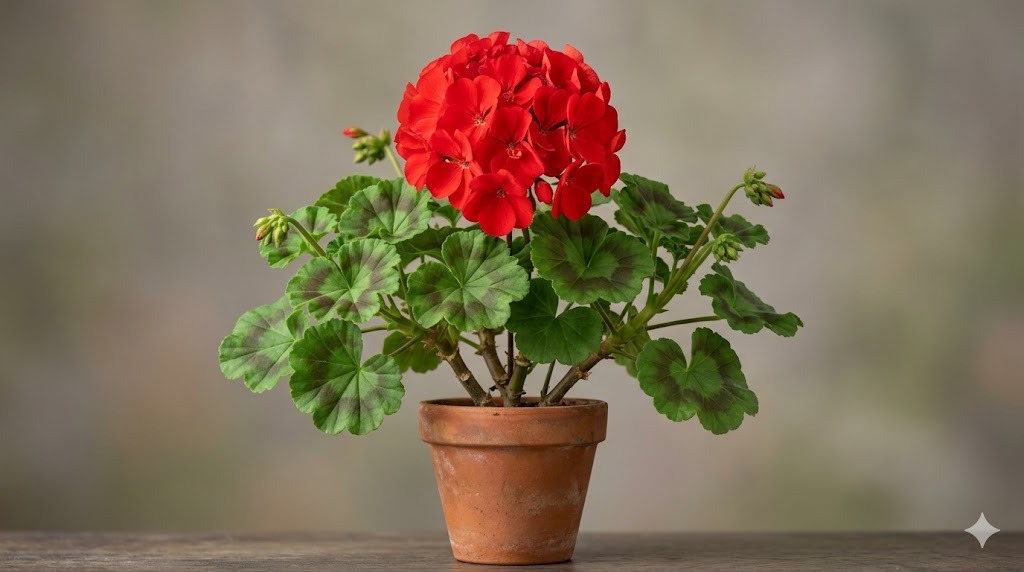
This is the plant almost everyone calls a "geranium" - the bright, dependable, sun-loving favorite of summer pots, window boxes, and windowsills across the world.
🗓️ Last reviewed: June 2026
Overview
This is the plant almost everyone calls a "geranium" - the bright, dependable, sun-loving favorite of summer pots, window boxes, and windowsills across the world. Botanically it is Pelargonium, and that distinction matters: it is a different plant from the hardy perennial geranium (cranesbill). Pelargoniums are tender plants, treated as summer annuals in cold climates, prized for their long, generous bloom in red, pink, salmon, white, and purple, their tolerance of heat and drought, and - in the scented-leaf types - their wonderfully aromatic foliage. They are one of the easiest and most rewarding container plants, and, with a little care, can be kept going from year to year.
Origin & Natural Habitat
Pelargoniums are native overwhelmingly to South Africa, where they grow in warm, sunny, often dry habitats - rocky slopes and open scrubland with hot summers and mild, frost-free winters. This origin defines everything: pelargoniums love sun and heat, tolerate drought well (they store water in fleshy stems and leaves), and have no tolerance of frost. The confusing common name dates from an old botanical classification that once lumped them with the true geraniums.
Appearance
Pelargoniums are soft-stemmed, somewhat succulent, bushy plants. The main garden groups:
- Zonal pelargoniums (P. × hortorum): the classic upright "geranium," with rounded leaves often marked by a darker horseshoe "zone," and rounded clusters of single or double flowers; the mainstay of pots and bedding.
- Ivy-leaved pelargoniums (P. peltatum): trailing, with glossy ivy-shaped leaves - superb for hanging baskets and window boxes.
- Regal pelargoniums (P. × domesticum): showier, with large, ruffled, often two-tone flowers; more often grown as flowering pot plants.
- Scented-leaf pelargoniums: grown for aromatic foliage (rose, lemon, mint, etc.), with smaller flowers.
Why People Grow It - Qualities & Benefits
- Long, generous bloom: flowers from late spring until frost.
- Heat- and drought-tolerant: thrives in hot sun and copes with missed watering.
- The classic container plant: unbeatable in pots, window boxes, and baskets.
- Easy and forgiving: tolerant of neglect compared with thirstier bedding plants.
- Can be overwintered: kept from year to year, unlike true annuals.
- Very easy to propagate: roots readily from cuttings - free plants.
- Scented-leaf types add fragrant foliage for paths, pots, and the home.
Care
Light & Position
Full sun. Pelargoniums flower best in a hot, bright, sunny position; in shade they grow leggy and bloom poorly. (Regal types appreciate a little shelter from the most scorching afternoon sun.)
Soil
Free-draining soil or a good-quality potting compost. Pelargoniums dislike heavy, wet, cold soil; their semi-succulent nature means good drainage is important.
Watering
Water when the soil has begun to dry - pelargoniums are drought-tolerant and dislike being kept constantly wet, which causes yellowing leaves and root rot. Let containers dry out somewhat between waterings. This drought tolerance makes them far more forgiving than petunias.
Feeding
Feed regularly through the growing season for the best flowering - a high-potassium (tomato-type) liquid feed encourages flowers rather than leaves. They are less hungry than petunias, but feeding still improves the display.
Deadheading & Pinching
Deadhead regularly - remove whole spent flower clusters (and their stalk) to keep new blooms coming and prevent a tired look. Pinch out growing tips of young plants for bushy growth.
Overwintering
Pelargoniums are tender but not true annuals - they can be kept for years. To overwinter: before the first frost, either lift whole plants into pots and keep them in a cool, light, frost-free place (watered sparingly), or take cuttings in late summer to grow on as fresh young plants. Cut plants back and reduce watering over winter; resume in spring.
Hardiness & Winter Care
Pelargoniums are frost-tender - they cannot survive freezing. In mild, frost-free climates they grow outdoors year-round (and can become quite woody and shrubby). In cold climates they are grown outdoors only in the frost-free months and overwintered under cover.
Planting & Propagation
Plant out after all danger of frost, in sun and free-draining compost. Propagation is very easy from stem cuttings taken in late summer (or spring) - they root readily, which is the standard way to keep favorite varieties going and to multiply plants for free.
Common Problems & Pests
- Yellowing leaves: very commonly overwatering - pelargoniums hate constantly wet soil; also possible nutrient shortage or, on lower leaves, natural aging.
- Leggy, sparse growth with few flowers: too much shade, or no pinching/deadheading.
- Pelargonium (geranium) rust: an orange-brown fungal disease, mainly of zonal types - remove affected leaves, improve air flow.
- Botrytis (grey mould): in damp, cool, crowded conditions or overwintering.
- Pests: generally tough; whitefly, aphids, and (especially when overwintered indoors) caterpillars of the geranium bronze butterfly in some regions.
Toxicity & Safety
Pelargonium is listed as mildly toxic to pets - to cats, dogs, and horses. It contains compounds (including geraniol and linalool) that can cause vomiting, loss of appetite, lethargy, and skin/mouth irritation if the plant is eaten, and the foliage may irritate skin on contact in sensitive pets. Serious poisoning is uncommon and pelargoniums are grown in family homes everywhere, but pets should be discouraged from chewing them. This is an important contrast with the hardy "geranium" (cranesbill), which is non-toxic - so the Pelargonium / Geranium distinction matters for pet safety as well as for cultivation.
Pros & Cons
Pros
- Long, generous bloom from late spring to frost.
- Heat- and drought-tolerant - forgiving of missed watering.
- The classic, easy container plant; very easy to propagate.
- Can be overwintered and kept for years.
Cons
- Frost-tender - needs overwintering under cover in cold climates.
- Mildly toxic to cats, dogs, and horses.
- Yellowing leaves from overwatering are a common beginner mistake.
- Needs full sun and deadheading; geranium rust can be a nuisance.
Best Suited For
- Pots, window boxes, and hanging baskets (ivy-leaved types) in full sun.
- Sunny summer bedding and patio displays.
- Hot, dry spots and gardeners who sometimes forget to water.
- Windowsills and conservatories; scented-leaf types near paths and seats.
Not ideal for shady spots, homes where pets graze freely on plants, or gardeners wanting a fully hardy, plant-and-forget perennial.
FAQ
Is a "geranium" the same as a pelargonium? The bright bedding and pot "geraniums" sold for summer are Pelargonium - tender plants from South Africa. The hardy perennial geranium, or cranesbill, is a true Geranium that lives outdoors all year. They are different plants with different care - and importantly, Pelargonium is mildly toxic to pets while the hardy Geranium is not.
Why are my pelargonium leaves turning yellow? The most common cause is overwatering - pelargoniums are drought-tolerant and hate constantly wet soil, which yellows the leaves and rots the roots. Let the soil dry out between waterings. Yellowing can also indicate a need for feeding, and a few lower leaves yellowing with age is normal.
Can I keep my pelargoniums over winter? Yes - unlike true annuals, pelargoniums can be kept for years. Before the first frost, lift whole plants into pots and keep them cool, light, and frost-free with sparing watering, or take late-summer cuttings to grow on. They root very easily from cuttings.
Are pelargoniums safe for pets? No - pelargoniums are listed as mildly toxic to cats, dogs, and horses, and can cause vomiting and irritation if eaten. They are not a severe hazard but pets should be discouraged from chewing them. (The unrelated hardy geranium/cranesbill is non-toxic.)
Why isn't my pelargonium flowering well? Usually too much shade, or a lack of deadheading and pinching. Give it full sun, pinch young plants for bushiness, deadhead spent flower clusters, and feed with a high-potassium fertilizer through the season.