Peony
The peony is one of the most beloved and longest-lived plants in the garden - a perennial that, once settled, can flower beautifully for fifty years or more, often outliving the gardener who planted it.
🗓️ Last reviewed: June 2026
Overview
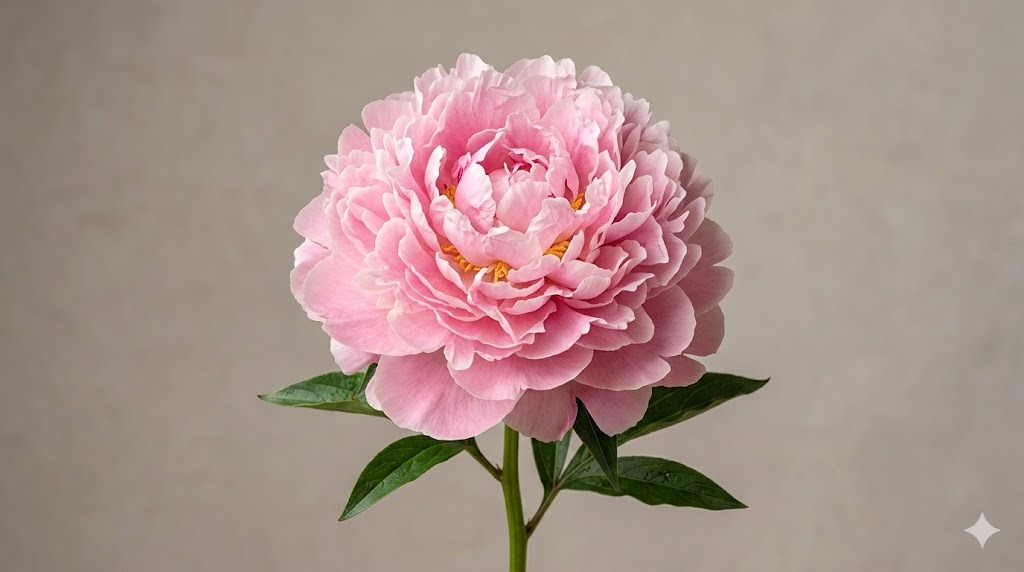
The peony is one of the most beloved and longest-lived plants in the garden - a perennial that, once settled, can flower beautifully for fifty years or more, often outliving the gardener who planted it. Its blooms in late spring and early summer are lush, romantic, and full - great silken bowls and globes of petals in white, blush, pink, coral, and deep red, many richly fragrant. Peonies are tough and almost permanent, but they have a reputation for being temperamental, and that reputation rests almost entirely on one thing: planting depth. Get the depth right, be patient for a year or two, and the peony becomes the most reliable treasure in the border.
Origin & Natural Habitat
Peonies are native to temperate Asia (especially China, where they have been cultivated and revered for over a thousand years), and to parts of Europe and western North America. The herbaceous garden peonies grow wild in meadows, scrub, and open woodland in cold-winter climates with well-drained ground. This origin matters: peonies need a proper period of winter cold to flower, and they resent disturbance - they are built to stay in one place for decades.
Appearance
This guide covers the herbaceous peony (Paeonia lactiflora and hybrids) - the classic border peony that dies down to the ground each winter. (Tree peonies, which are woody and do not die back, are a separate group.) Herbaceous peonies form a clump of handsome, deeply divided dark-green foliage, 60-100 cm tall, attractive in its own right and often tinted in autumn. The flowers, borne in late spring to early summer, range from simple single bowls with a central boss of golden stamens to immense fully double globes packed with petals.
Why People Grow It - Qualities & Benefits
- Spectacular, romantic blooms - among the most luxurious flowers a garden can offer.
- Fragrance: many varieties are beautifully scented.
- Extraordinary longevity: a well-placed peony can thrive for 50+ years.
- Low maintenance once established: essentially permanent, asking very little.
- Excellent cut flowers: a florist's classic, long-lasting in the vase.
- Hardy and pest-resistant: very cold-hardy and largely trouble-free.
- Attractive foliage: the clump looks good long after the flowers fade.
Care
Light & Position
Full sun is best - at least six hours a day - for strong flowering. Peonies tolerate light afternoon shade, but too much shade gives weak growth and few flowers. Choose the position carefully: peonies dislike being moved, so plant where it can stay for good.
Soil
Deep, fertile, well-drained soil enriched with compost. Peonies dislike waterlogged ground, which can rot the crown.
Watering
Water well while establishing and during dry spells, especially around flowering time. Established peonies are fairly drought-tolerant.
Feeding
Feed modestly in spring with a balanced or low-nitrogen fertilizer; a compost mulch is beneficial. Avoid heavy nitrogen feeding, which produces leaves at the expense of flowers and weak, floppy stems.
Planting Depth - the critical detail
This is the single most important factor in whether a peony flowers. The dormant buds ("eyes") on the crown must be planted shallowly - only about 2-5 cm below the soil surface. A peony planted too deep will grow healthy leaves but never flower. This one mistake causes the great majority of "my peony won't bloom" problems.
Support & Deadheading
The huge double flowers are heavy and can flop, especially after rain - provide a ring or grid support early in the season. Deadhead spent flowers. Cut the foliage down to the ground in autumn after it dies back (this also helps prevent disease).
Hardiness & Winter Care
Herbaceous peonies are extremely hardy, commonly to USDA zone 3, and need no winter protection - in fact they require winter cold to flower. They die down completely and re-emerge in spring with striking red shoots.
Planting & Propagation
Plant or divide in autumn, setting the eyes only 2-5 cm deep. Propagate by division of the crown in autumn - each piece should carry several eyes and some root. Peonies hate disturbance and a divided or newly planted peony may take two or three years to settle and flower well - this slow start is normal. Be patient and resist the urge to move it.
Common Problems & Pests
- No flowers: the classic problem - most often the crown was planted too deep; also too much shade, too much nitrogen, recent division/transplanting, or simply a young plant that needs another year.
- "Bud blast" (buds form but fail to open and turn brown): caused by frost damage, drought stress, an immature plant, or peony wilt.
- Peony wilt / botrytis: a fungal disease causing wilting shoots and rotting buds - improve air flow, remove affected growth, clear away all old foliage in autumn.
- Floppy stems: heavy double flowers fall after rain - stake early.
- Ants on the buds: harmless - ants are attracted to the sweet sap; they do not damage the plant or affect opening.
Toxicity & Safety
Peony is regarded as toxic if eaten - it contains the compound paeonol, and ingestion can cause vomiting and diarrhea in cats, dogs, and horses, and mild gastrointestinal upset in humans. Serious poisoning is uncommon, and as a border plant peonies are widely grown in family gardens, but pets should be discouraged from chewing the roots, foliage, or flowers.
Pros & Cons
Pros
- Spectacular, romantic, often fragrant blooms.
- Extraordinary longevity - decades in one spot.
- Low maintenance and pest-resistant once established.
- Very hardy; excellent cut flowers.
Cons
- Will not flower if planted too deep - depth is unforgiving.
- Slow to establish; resents being moved.
- Bloom season is relatively short.
- Heavy flowers flop without support; mildly toxic to pets.
Best Suited For
- Cold-winter gardens with full sun.
- Permanent positions in mixed and herbaceous borders - plant where it can stay.
- Cottage and romantic gardens; cutting gardens.
- Gardeners who value a long-lived, low-fuss plant and can be patient.
Not ideal for mild frost-free climates (insufficient winter cold), deep shade, gardens that are frequently redesigned, or anyone wanting instant results.
FAQ
Why won't my peony flower? The number one reason is planting depth - the crown's "eyes" must sit only 2-5 cm below the surface. A peony planted too deep grows leaves but never blooms. Other causes: too much shade, too much nitrogen fertilizer, recent division or moving, or a plant that is simply still too young.
How deep should I plant a peony? Very shallowly - the buds/eyes on the crown only 2-5 cm below the soil surface. This is the most important rule in growing peonies.
Do ants on peony buds harm the plant? No - ants are simply attracted to the sweet sap on the buds. They do not damage the plant and the flowers do not need ants to open. The connection is a garden myth.
Why are my peony buds turning brown without opening? This is "bud blast," caused by frost damage, drought stress, an immature plant, or the fungal disease peony wilt. Keep the plant watered, ensure good air flow, and remove any diseased growth.
Can I move an established peony? You can, but peonies resent disturbance and a moved plant often takes two or three years to flower well again. Move only in autumn, replant shallowly - and ideally choose the right spot first so you never have to.