Phlox
Phlox is a quintessential perennial of the cottage and summer border - generous, colorful, and, in the tall garden type, wonderfully fragrant.
🗓️ Last reviewed: June 2026
Overview
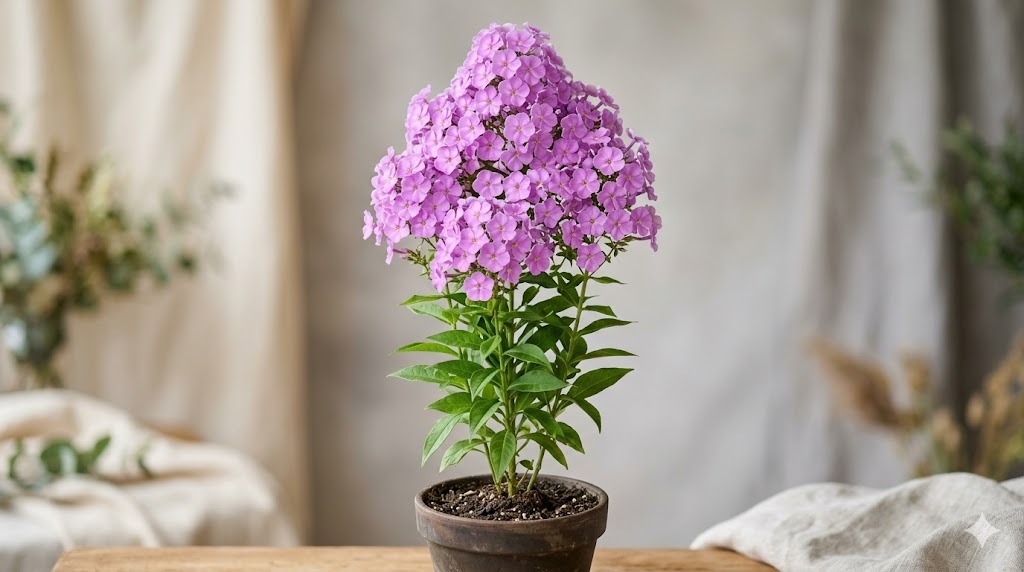
Phlox is a quintessential perennial of the cottage and summer border - generous, colorful, and, in the tall garden type, wonderfully fragrant. The two great garden phloxes work at opposite ends of the year and the bed: low, mat-forming creeping phlox carpets spring slopes and rockeries in sheets of bloom, while upright tall garden phlox crowns the high-summer border with big, domed clusters of sweetly scented flowers in pink, white, magenta, lavender, and red. Phlox is hardy, long-lived, and rewarding, much loved by butterflies - with one well-known weakness in the tall types: powdery mildew.
Origin & Natural Habitat
Phlox is a genus of around 65 species, almost all native to North America (with one in Siberia). They grow wild in a range of habitats - woodlands, prairies, mountain slopes, and rocky ground. The two main garden groups come from different niches: creeping phlox from open, rocky, well-drained sites, and tall garden phlox (Phlox paniculata) from moist meadows and woodland edges. This explains their differing care - the creepers want sharp drainage, the tall types want richer, moister soil.
Appearance
- Creeping / moss phlox (Phlox subulata and similar): low, evergreen-ish, mat-forming plants only 10-15 cm tall, with needle-like or small leaves, smothered in spring with masses of small five-petalled flowers in pink, blue, lilac, and white.
- Tall garden phlox (Phlox paniculata): upright clump-forming perennials, 60-120 cm tall, with lance-shaped green leaves and large domed terminal clusters (panicles) of fragrant flowers in midsummer to autumn.
- Woodland phlox (Phlox divaricata): an intermediate, semi-shade spring type.
Why People Grow It - Qualities & Benefits
- Fragrance: tall garden phlox is one of the great scents of the summer border.
- Generous color: creeping types carpet spring; tall types dominate high summer.
- Long-lived and hardy: dependable perennials that improve over years.
- Butterfly magnet: the flowers are especially loved by butterflies and moths.
- Versatile: creepers for rockeries, banks, and edging; tall types for borders and cutting.
- Cottage-garden charm: a classic, romantic, traditional plant.
Care
Light & Position
- Tall garden phlox: full sun to light shade; full sun gives the best flowering, but good air circulation is vital to limit mildew - avoid cramped, stagnant spots.
- Creeping phlox: full sun.
- Woodland phlox: part shade.
Soil
- Tall garden phlox: fertile, moist but well-drained soil enriched with compost - it dislikes drying out.
- Creeping phlox: well-drained, even gritty soil; tolerates poorer, drier ground.
Watering
Tall garden phlox needs consistent moisture, especially in summer - drought stress both reduces flowering and worsens mildew. Water at the base, not over the leaves, to keep foliage dry. Creeping phlox is more drought-tolerant once established.
Feeding
Tall garden phlox benefits from a spring feed and compost mulch. Creeping phlox needs little feeding.
Air Circulation & Mildew Management
Powdery mildew is the chief issue of tall phlox. Reduce it by: choosing mildew-resistant varieties; spacing plants for good air flow; thinning the stems in spring (removing the weakest, leaving 4-6 strong ones per clump); watering at the base; and not letting the plant dry out.
Deadheading & Seasonal Care
Deadhead tall phlox to prolong bloom and limit self-seeding (seedlings rarely match the parent and often revert to a magenta). Shear creeping phlox lightly after flowering to keep the mat neat. Cut tall phlox down in late autumn or spring and clear away the old foliage to reduce mildew carry-over.
Hardiness & Winter Care
Garden phloxes are very hardy - commonly to around USDA zone 3-4 - and need no winter protection. Tall types die back; creeping phlox is semi-evergreen.
Planting & Propagation
Plant in spring or autumn. Propagate tall garden phlox by division every few years (which also keeps clumps vigorous and reduces mildew) or by basal or root cuttings; creeping phlox by division or by detaching rooted pieces of the spreading mat. Self-sown seedlings of tall phlox usually revert and are best removed.
Common Problems & Pests
- Powdery mildew (tall phlox): the classic problem - a white coating on leaves, worst in late summer, in dry soil, crowded plantings, and stagnant air. Manage with resistant varieties, thinning, spacing, base-watering, and adequate moisture.
- Self-seeding and reversion: tall phlox seedlings often revert to a magenta and crowd out the named variety; remove them and deadhead.
- Spider mites: can attack drought-stressed tall phlox in hot weather.
- Stem eelworm (phlox eelworm): distorted, narrow shoots - destroy affected plants.
- Few flowers / poor performance: overcrowded clump (divide it), too much shade, or drought stress.
Toxicity & Safety
Garden phlox is generally regarded as non-toxic / low-toxicity and is considered safe for cats, dogs, horses, and humans - it is not a recognized poisoning hazard and is widely grown in family and wildlife gardens. The fragrant flowers have high value for butterflies, moths, and other pollinators.
Pros & Cons
Pros
- Fragrant (tall types) and generously colorful.
- Hardy, long-lived, and reliable; butterfly magnet.
- Two complementary types for spring carpets and summer borders.
- Pet-friendly; classic cottage-garden character.
Cons
- Tall garden phlox is prone to powdery mildew.
- Needs consistent moisture and good air flow to perform.
- Self-sown seedlings revert and become weedy.
- Out of bloom the plants are fairly ordinary.
Best Suited For
- Tall phlox: sunny, fertile, well-ventilated mixed and cottage borders; cutting gardens.
- Creeping phlox: rockeries, banks, slopes, walls, and bed edging.
- Butterfly and pollinator gardens.
- Gardeners who want fragrance and traditional charm.
Not ideal for cramped, stagnant, shady spots (tall phlox - mildew), very dry gardens (tall phlox), or anyone unwilling to thin and divide.
FAQ
Why do my phlox leaves have a white powdery coating? That is powdery mildew, the classic problem of tall garden phlox. It is worst in late summer, in dry soil, crowded plantings, and still air. Reduce it by choosing mildew-resistant varieties, thinning the stems in spring, spacing plants for air flow, watering at the base, and keeping the soil from drying out.
My phlox came up a different color than I planted - why? Tall garden phlox self-seeds, and the seedlings rarely match the parent - they often revert to a magenta-pink that can crowd out the named variety. Deadhead to prevent seeding, and remove any seedlings.
What is the difference between creeping and tall phlox? Creeping phlox is a low, mat-forming spring plant for rockeries and banks; tall garden phlox is an upright, fragrant, clump-forming perennial that flowers in high summer in borders. They have different needs and bloom at different times.
Is phlox safe for pets? Yes - garden phlox is generally considered non-toxic to cats, dogs, and horses.
How do I keep tall phlox flowering well? Give it full sun, fertile moist soil, and good air flow; divide congested clumps every few years; thin the stems in spring; and deadhead to prolong bloom.