Rhododendron & Azalea
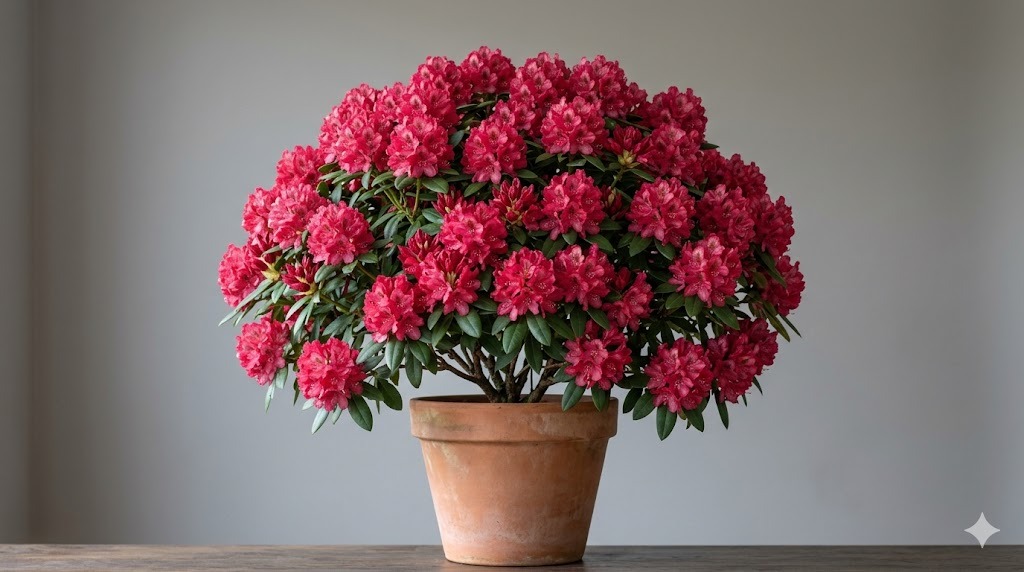
Rhododendrons and azaleas are the great spring showstoppers of the acid-soil garden - shrubs that vanish entirely under domes of bloom in pink, red, purple, orange, yellow, and white.
🗓️ Last reviewed: June 2026
Overview
Rhododendrons and azaleas are the great spring showstoppers of the acid-soil garden - shrubs that vanish entirely under domes of bloom in pink, red, purple, orange, yellow, and white. Botanically they are the same family (azaleas are rhododendrons), and they share the same needs. They are spectacular and, in the right conditions, easy. But "the right conditions" is the whole story: these plants demand acidic soil. Plant them on chalk or limestone and they slowly yellow and fail, no matter how well you care for them. Get the soil right, and they are among the most rewarding shrubs you can grow.
Origin & Natural Habitat
Rhododendrons come from across the Northern Hemisphere - with vast diversity in the mountains of the Himalayas and East Asia - plus North America and Europe. They grow naturally on cool, moist, acidic, humus-rich woodland slopes and mountainsides, in dappled light beneath taller trees, with shelter and good drainage. Every care instruction follows from this: acid soil, cool moist roots, shelter, dappled light, and no waterlogging.
Appearance
The group ranges from tiny alpine shrublets to large tree-sized specimens; most garden plants are 0.5-3 m. The general distinction:
- Rhododendrons: usually evergreen, with larger, leathery leaves and large bell- or trumpet-shaped flowers in big rounded trusses.
- Azaleas: often smaller-leaved; many are deciduous (with good autumn color and often fragrance), others evergreen; flowers smaller but extremely abundant, smothering the plant.
Bloom is mostly in spring, occasionally early summer, in an enormous color range.
Why People Grow It - Qualities & Benefits
- Spectacular bloom: few shrubs flower so generously, the whole plant covered.
- Huge variety: sizes from rockery dwarfs to large specimens; vast color choice.
- Evergreen structure: many rhododendrons give year-round foliage.
- Shade-tolerant: thrive in dappled and partial shade where many flowering shrubs fail.
- Autumn interest: deciduous azaleas add fiery autumn foliage; some are fragrant.
- Long-lived: decades of performance once established.
Care
Light & Position
Dappled or partial shade is ideal - light woodland conditions. Most dislike hot, full afternoon sun (which scorches leaves and shortens bloom) and equally dislike deep, dark shade (which reduces flowering). Shelter from cold drying winds and from early-morning sun on frosted buds.
Soil - the make-or-break factor
Acidic soil (pH roughly 4.5-6.0) is essential. Rhododendrons and azaleas are calcifuges - they cannot take up iron in alkaline soil and develop yellowing leaves (lime-induced chlorosis) and decline. The soil must also be moist, humus-rich, and well-drained. On chalk or alkaline soil, do not plant them in the ground - grow them in pots or raised beds filled with ericaceous (acidic) compost.
Watering
Keep the roots consistently moist but never waterlogged. The root system is shallow and fibrous and dries out fast. Use rainwater where possible - tap water in hard-water areas is alkaline and raises soil pH over time. Mulch generously to keep roots cool and damp.
Feeding
Feed in spring with a fertilizer formulated for ericaceous (acid-loving) plants. Mulch with leaf mould, pine needles, or composted bark - never mushroom compost or lime, which raise pH.
Pruning
Minimal pruning needed. Deadhead spent flower trusses by snapping them off carefully (without damaging the new buds just below) - this directs energy into next year's bloom. Remove dead or straggly stems after flowering. Overgrown rhododendrons can be rejuvenated by hard pruning, which they generally tolerate well.
Hardiness & Winter Care
Hardiness varies widely by species and variety - from very hardy (USDA zone 4-5) to tender. Choose varieties suited to your zone. The shallow roots benefit from a winter mulch; evergreen types can suffer winter leaf scorch from cold drying wind and frozen soil, so a sheltered position helps.
Planting & Propagation
Plant in autumn or spring. Set the plant shallowly - the root ball should sit at or just above soil level, never buried deep - in acidic, humus-rich soil, and mulch well. Propagate by layering low branches (easy and reliable) or from semi-ripe cuttings (slower).
Common Problems & Pests
- Yellowing leaves (chlorosis): the classic sign of alkaline soil or hard water - the soil is not acidic enough. Correct the pH or move to ericaceous compost.
- No flowers: too much shade, too much deep shade, frost-damaged buds, or failure to deadhead.
- Leaf scorch / brown leaves: too much hot sun, drying wind, or drought.
- Vine weevil: larvae eat roots (notches on leaf edges are the adult sign) - a common pest, especially in pots.
- Rhododendron leafhopper & bud blast: leafhoppers spread a fungus that turns buds brown and dead.
- Powdery mildew, lace bug: can affect azaleas.
Toxicity & Safety
Highly toxic. All parts of rhododendrons and azaleas - leaves, flowers, nectar - contain grayanotoxins and are poisonous to cats, dogs, horses, livestock, and humans if eaten. Even honey made from rhododendron nectar ("mad honey") can be toxic. Ingestion causes drooling, vomiting, weakness, heart and nervous-system effects, and can be serious. Keep grazing pets and small children away, and never let livestock access the plants.
Pros & Cons
Pros
- Spectacular, generous spring bloom.
- Huge range of sizes and colors.
- Thrive in dappled shade; many are evergreen.
- Long-lived; deciduous azaleas add autumn color.
Cons
- Absolutely require acidic soil - impossible on chalk/limestone in the ground.
- Toxic to pets, livestock, and people.
- Shallow roots dry out easily; need consistent moisture.
- Vine weevil and bud blast can be persistent problems.
Best Suited For
- Gardens with naturally acidic soil.
- Woodland gardens, dappled-shade borders, and shrubberies.
- Pots and raised beds of ericaceous compost (the solution for alkaline gardens).
- Sheltered positions out of harsh sun and wind.
Not ideal for chalky/alkaline gardens (in the ground), hot dry sunny spots, deep shade, or homes with grazing pets and livestock.
FAQ
Why are my rhododendron's leaves turning yellow? Almost always the soil is not acidic enough, or you are watering with hard tap water. Rhododendrons cannot take up iron in alkaline conditions and develop yellowing (chlorosis). Use ericaceous compost, rainwater, and an acid-plant feed; on chalky soil, grow them in pots instead.
Can I grow rhododendrons if my soil is chalky? Not in the ground - they will slowly fail. But you can grow them very successfully in pots or raised beds filled with ericaceous (acidic) compost, watered with rainwater.
Are rhododendrons and azaleas poisonous? Yes - all parts are toxic to cats, dogs, horses, livestock, and people. Even honey from the nectar can be poisonous. Keep pets, livestock, and children away.
Should I deadhead my rhododendron? Yes, where practical. Carefully snap off the spent flower trusses without damaging the new buds just below - it channels energy into next year's flowers.
Why didn't my rhododendron flower this year? Common causes: too much shade, a late frost damaging the buds, bud blast disease, or not deadheading the previous year. A position with dappled light and shelter helps.