Rose (Rosa)
The Rose is the most beloved garden plant in the world - the flower of romance, celebration, and the classic garden border.
🗓️ Last reviewed: June 2026
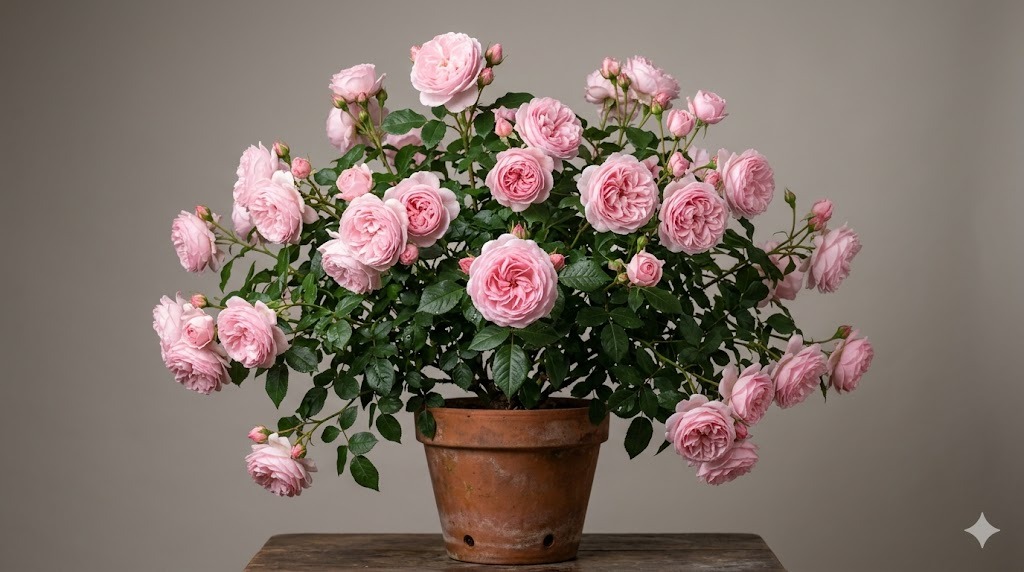
Overview
The Rose is the most beloved garden plant in the world - the flower of romance, celebration, and the classic garden border. With thousands of varieties, from compact patio roses to billowing shrub roses and elegant hybrid teas, there is a rose for almost every garden. They reward you with months of gorgeous, often fragrant blooms. Roses have a reputation for being demanding, but modern shrub and landscape roses are far tougher and more disease-resistant than the fussy hybrids of the past - choose well, and a rose is a generous, long-lived garden treasure.
Origin & Natural Habitat
Roses are native across the Northern Hemisphere - Asia, Europe, North America, and northwest Africa - growing wild as shrubs and climbers in temperate woodlands, hedgerows, and scrub. They have been cultivated and bred by humans for thousands of years, with major breeding traditions in China, Persia, and Europe. Today's garden roses are the result of centuries of crossing; understanding that they descend from tough, temperate, sun-loving wild shrubs explains their core needs: full sun, good soil, and air circulation.
Appearance
Roses are woody, usually thorny (prickly) shrubs and climbers. Foliage is divided into toothed leaflets, typically deep green. The flowers range enormously - single five-petaled blooms to densely packed, many-petaled forms - in every color but true blue, often richly fragrant. Main types: hybrid tea (one large bloom per stem, classic florist rose), floribunda (clusters of blooms), shrub/landscape roses (tough, bushy, repeat-flowering - including the popular modern English and ground-cover roses), climbers and ramblers, and miniature/patio roses. Sizes range from 30 cm patio roses to climbers over 6 m.
Why People Grow It - Qualities & Benefits
- Iconic, beautiful blooms: unmatched flower form and the deepest cultural meaning of any plant.
- Fragrance: many roses are gloriously, famously scented.
- Long flowering season: repeat-flowering types bloom from late spring to autumn.
- Cut flowers: the classic flower to bring indoors.
- Huge variety: a rose for every size, color, and use - beds, borders, hedges, walls, pots.
- Pollinator value: single-flowered and open roses provide pollen for bees; many produce hips for birds.
Care
Light & Position
Full sun is essential - at least 6 hours of direct sun a day. Roses bloom poorly and suffer more disease in shade. Choose a spot with good air circulation (which helps prevent fungal disease) but shelter from harsh, drying winds.
Soil
Roses want rich, fertile, well-drained soil, ideally slightly acidic to neutral. Improve the planting site generously with compost or well-rotted manure. They dislike waterlogged ground.
Watering
Water deeply and regularly, especially in the first year, in dry spells, and for repeat bloom - roses are fairly thirsty. Water at the base, in the morning; wetting the foliage encourages fungal disease.
Feeding
Roses are hungry plants. Feed in spring as growth begins, and again after the first flush of bloom, with a balanced or rose-specific fertilizer. Mulch in spring with compost to feed the soil, conserve moisture, and suppress weeds.
Pruning
Prune in late winter or early spring (timing varies by type and climate): remove dead, damaged, diseased, and crossing stems, and cut back to shape and encourage strong new flowering growth. Deadhead repeat-flowering roses through the season to keep blooms coming. Climbers and ramblers have their own pruning approach, often after flowering.
Hardiness & Winter Care
Hardiness varies hugely by variety - many garden roses are hardy to around USDA zone 4-5, others less so. In cold-winter regions, mound soil or mulch over the base ("hilling up") to protect the graft union, and choose hardy types. Most roses are deciduous, dropping their leaves and going dormant in winter.
Planting & Propagation
Plant bare-root roses in the dormant season (late autumn to early spring); container roses can be planted in the growing season. Set the graft union at the correct depth for your climate. Roses are propagated commercially by budding/grafting onto rootstock; gardeners can also take hardwood cuttings in autumn (own-root roses), and ramblers and shrub roses can be layered.
Common Problems & Pests
- Black spot: the most common rose disease - black-purple spots on leaves, yellowing, leaf drop, in damp conditions. Choose resistant varieties, ensure airflow, water at the base, clear fallen leaves.
- Powdery mildew: white powdery coating on leaves and buds.
- Rust: orange pustules on leaf undersides.
- Aphids: clusters on soft new growth and buds - squash, hose off, or tolerate (predators help).
- Other pests: rose sawfly, thrips, Japanese beetles (regionally), and dieback.
Choosing modern disease-resistant varieties prevents most disease trouble.
Toxicity & Safety
Non-toxic to cats, dogs, and humans. The true rose (genus Rosa) is considered non-toxic - the petals and hips are even edible (rose hips are used for syrups and teas). The main hazard is purely physical: the thorns (prickles), which can scratch - handle with gloves. (Note: unrelated plants with "rose" in their name, such as Christmas rose or moss rose, are different plants with different toxicity.)
Pros & Cons
Pros
- Iconic, beautiful, often fragrant flowers.
- Long flowering season (repeat types).
- A rose for every garden situation.
- Excellent cut flowers; non-toxic.
- Pollinator and wildlife value (open types, hips).
Cons
- Need full sun and rich soil.
- Hungry and fairly thirsty.
- Some types prone to black spot and other diseases.
- Thorny - handle with gloves.
- Need annual pruning.
Best Suited For
- Sunny beds, borders, and dedicated rose gardens.
- Walls, fences, arches, and pergolas (climbers).
- Hedging and ground cover (shrub/landscape roses).
- Pots and patios (patio and miniature roses).
- Cutting gardens.
Not ideal for shady gardens, or gardeners wanting a zero-maintenance plant (though modern shrub roses come close).
FAQ
Are roses hard to grow? They have an old reputation for fussiness, but modern shrub, landscape, and English roses are far tougher and more disease-resistant. Choose a disease-resistant variety, give it full sun and good soil, and a rose is generous and rewarding.
Why does my rose have black spots on the leaves? That is black spot, the most common rose disease, worst in damp conditions. Choose resistant varieties, ensure good air circulation, water at the base rather than the leaves, and clear away fallen infected leaves.
When and how do I prune roses? Generally in late winter or early spring: remove dead, damaged, diseased, and crossing stems, then cut back to shape and encourage new flowering growth. Deadhead repeat-flowering roses through the season. Climbers and ramblers are pruned differently, often after flowering.
Are roses safe for pets? Yes - the true rose is non-toxic to cats and dogs (and the hips are edible). The only hazard is the thorns, which can scratch.
How much sun do roses need? At least 6 hours of direct sun a day. Roses flower poorly and get more disease in shade - a sunny, open (but not wind-blasted) spot is essential.