Zinnia
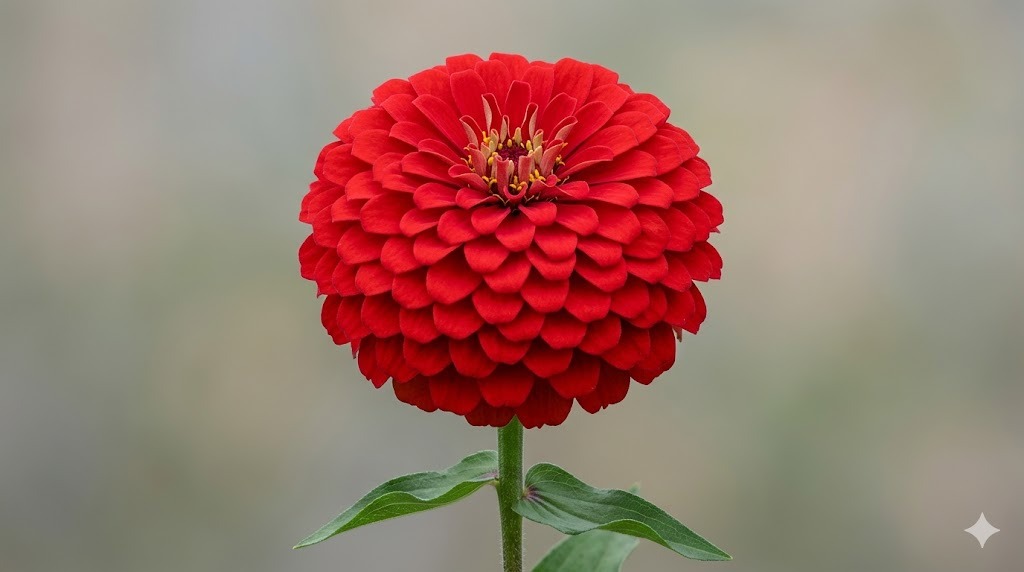
The zinnia is the dazzling, no-fuss star of the hot summer garden - an annual that pours out brilliantly colored, perfectly formed flowers from midsummer right up to frost, in a palette that includes some of the most vivid hot pinks, oranges, reds, and even greens of any flower.
🗓️ Last reviewed: June 2026
Overview
The zinnia is the dazzling, no-fuss star of the hot summer garden - an annual that pours out brilliantly colored, perfectly formed flowers from midsummer right up to frost, in a palette that includes some of the most vivid hot pinks, oranges, reds, and even greens of any flower. Zinnias are easy and fast from seed, they thrive on heat and sun, they are irresistible to butterflies, and they are one of the very best cut flowers a gardener can grow - the more you pick, the more they bloom. For a beginner who wants maximum color and a cutting garden full of flowers, the zinnia is hard to beat.
Origin & Natural Habitat
Zinnias are native to the Americas, especially Mexico and the southwestern United States, where their wild ancestors grow in warm, sunny, dry grassland and scrub. They were cultivated and developed into a vast range of garden varieties. This warm, sunny, dry-climate origin is the key to everything: zinnias love heat, demand full sun, tolerate drought well, and have absolutely no frost tolerance - and, importantly, they resent cold, damp conditions.
Appearance
Zinnias are upright, branching annuals, ranging from compact 15 cm edging types to tall cutting varieties of 90 cm or more. They have somewhat coarse, lance-shaped green leaves and produce flowers on sturdy stems over a long season. The blooms - daisy-family flower heads - come in an enormous range of forms (single, semi-double, fully double, "cactus"-petalled, dahlia-flowered, button) and an exceptional color range: scarlet, orange, hot pink, purple, yellow, white, lime green, and many bicolors. The large-flowered Zinnia elegans types are the cutting-garden classics; smaller-flowered, more weather-tolerant species and hybrids also exist.
Why People Grow It - Qualities & Benefits
- Brilliant, long-lasting color: vivid blooms from midsummer to frost.
- One of the best cut flowers: sturdy stems, long vase life - the more you cut, the more it flowers.
- Easy and fast from seed: quick, reliable, beginner-friendly.
- Heat- and drought-tolerant: thrives in hot, dry summers.
- Butterfly magnet: single and semi-double types are superb for butterflies and bees.
- Huge variety: sizes, forms, and colors for edging, borders, and cutting.
- Cheap and rewarding: big results from a packet of seed.
Care
Light & Position
Full sun - at least six hours, and zinnias positively love a hot spot. They flower poorly in shade and become more disease-prone there. Give them good air circulation.
Soil
Fertile, well-drained soil improved with compost. Zinnias dislike heavy, cold, wet soil; good drainage and warmth are important.
Watering
Water to establish and during dry spells; zinnias are fairly drought-tolerant once growing. Crucially, water at the base, not over the foliage - wet leaves strongly encourage powdery mildew, the zinnia's main weakness. Avoid waterlogging.
Feeding
Moderate feeding supports the long flowering season, especially in poorer soil or containers; a balanced or high-potassium feed works well. Compost-enriched soil is often enough.
Pinching, Deadheading & Cutting
- Pinch out the growing tip of young plants when they have a few sets of leaves - this produces bushier plants with far more flowering stems.
- Deadhead spent flowers, or - better still - cut flowers for the vase. Regular picking is the single best thing you can do: it keeps zinnias producing new blooms relentlessly until frost.
Hardiness & Winter Care
Zinnias are frost-tender annuals - killed by the first frost and grown fresh each year. They also dislike cold: do not sow or plant out until the soil is genuinely warm, as cold, damp conditions check growth and invite disease.
Planting & Propagation
Zinnias are easy from seed. They can be sown directly outdoors once the soil is warm (they often resent root disturbance, so direct sowing suits them well), or started in pots/modules indoors a few weeks before the last frost and planted out after frost into warm soil. Successional sowing extends the display.
Common Problems & Pests
- Powdery mildew: the classic and main problem - a white coating on the leaves, especially late in the season, encouraged by overhead watering, crowding, poor air flow, and shade. Water at the base, space plants well, give full sun and air movement, and choose mildew-resistant varieties.
- Damping off and poor growth in cold: seedlings rot or stall in cold, damp soil - wait for warmth before sowing.
- Few flowers / leggy growth: too much shade, or not pinching and not cutting/deadheading.
- Botrytis (grey mould) on flowers: in damp, humid, crowded conditions.
- Aphids, spider mites, and Japanese beetles: can occur but are rarely serious.
Toxicity & Safety
Zinnias are generally regarded as non-toxic / low-toxicity and are considered safe for cats, dogs, horses, and humans - they are not a recognized poisoning hazard and are widely grown in family and cutting gardens without concern. The flowers are also valuable for pollinators. A genuinely safe, family-friendly garden plant.
Pros & Cons
Pros
- Brilliant, vivid color from midsummer to frost.
- One of the best and easiest cut flowers - more bloom the more you pick.
- Easy and fast from seed; heat- and drought-tolerant.
- Butterfly magnet; pet-friendly; huge variety.
Cons
- Prone to powdery mildew, especially late in the season.
- Frost-tender annual; resents cold, damp conditions.
- Needs full sun - poor and disease-prone in shade.
- Coarse foliage; needs pinching and regular cutting for the best display.
Best Suited For
- Cutting gardens - a top-tier cut flower.
- Hot, sunny borders and bedding wanting vivid summer color.
- Butterfly and pollinator gardens (single/semi-double types).
- Beginner gardeners; quick, cheap, rewarding color from seed.
Not ideal for shady gardens, cold damp sites and climates, or gardeners wanting a permanent perennial.
FAQ
Why do my zinnia leaves have a white powdery coating? That is powdery mildew, the zinnia's main weakness, and it tends to appear later in the season. It is encouraged by watering over the foliage, crowding, poor air circulation, and shade. Water at the base, space plants well, grow them in full sun with good air movement, and choose mildew-resistant varieties.
Why aren't my zinnias bushy and full of flowers? Most likely you did not pinch them, or you are not cutting/deadheading. Pinch out the growing tip of young plants for bushy growth with many flowering stems, and pick flowers regularly - the more you cut, the more zinnias bloom.
Should I sow zinnias directly or start them indoors? Either works, but zinnias often resent root disturbance, so direct sowing once the soil is warm suits them well. If starting indoors, use modules to minimise root disturbance and plant out only after frost into warm soil - zinnias dislike cold.
Are zinnias good cut flowers? Excellent - they have sturdy stems and a long vase life, and crucially, regular cutting makes the plant produce even more flowers. Zinnias are one of the best cut flowers a beginner can grow.
Are zinnias safe for pets? Yes - zinnias are generally considered non-toxic to cats, dogs, and horses, and are a safe, family-friendly garden plant.