Peperomia
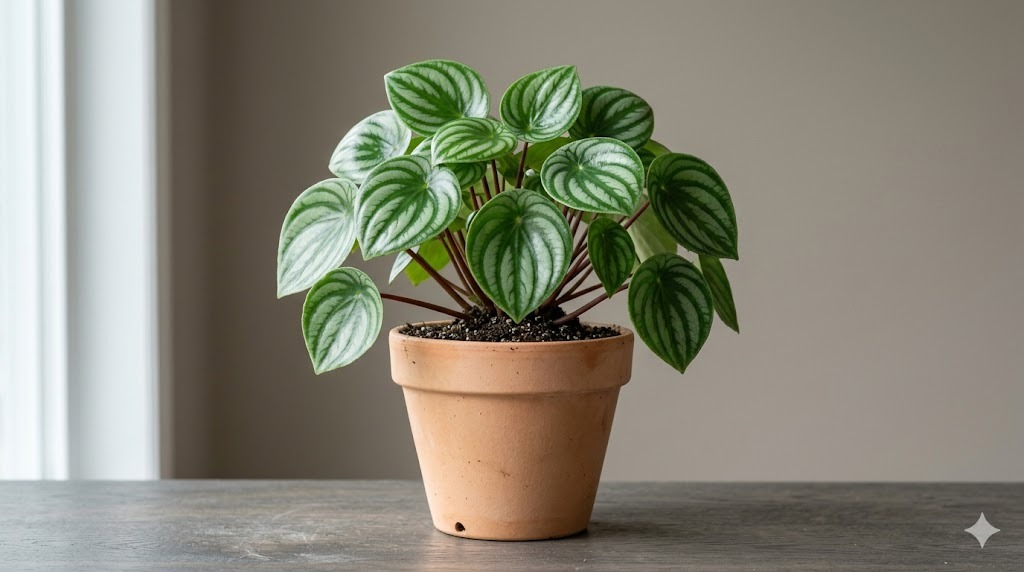
Peperomia is not one plant but a huge, wonderfully varied family of compact, easy, pet-safe houseplants - over a thousand species, from the corrugated, watermelon-striped Peperomia argyreia to the trailing string-of-turtles, the chunky succulent-like Peperomia obtusifolia, and the rippled 'Emerald Ripple'.
🗓️ Last reviewed: June 2026
Overview
Peperomia is not one plant but a huge, wonderfully varied family of compact, easy, pet-safe houseplants - over a thousand species, from the corrugated, watermelon-striped Peperomia argyreia to the trailing string-of-turtles, the chunky succulent-like Peperomia obtusifolia, and the rippled 'Emerald Ripple'. What they share is the perfect set of houseplant traits: small size, attractive foliage, very easy care, non-toxic safety, and effortless propagation. Many are semi-succulent, storing water in thick leaves or stems. For a small, safe, low-fuss plant with endless variety, Peperomia is one of the best choices there is.
Origin & Natural Habitat
Peperomias are native mostly to the tropical rainforests of Central and South America. Many grow as epiphytes - on tree trunks, branches, and rotting logs - or in pockets of leaf litter and on mossy rocks, in warm, humid, shaded conditions. This epiphytic, semi-succulent background explains their care: they have small root systems, want airy soil, and dislike being kept wet. They are distant relatives of the pepper plant (genus Piper).
Appearance
Peperomias are compact, usually 15-30 cm tall, in an enormous range of forms: thick and rounded leaves, heart-shaped, rippled and corrugated, marbled, striped, red-backed, variegated, or trailing. Textures range from glossy to matte to almost succulent. Many produce distinctive, slender, tail-like flower spikes - greenish or cream, often described as "rat-tail" flowers - which are curious rather than showy. Popular types: Watermelon Peperomia, Baby Rubber Plant (P. obtusifolia), Emerald Ripple (P. caperata), String of Turtles (P. prostrata), and Peperomia 'Hope'.
Why People Love It - Qualities & Benefits
- Pet-safe: non-toxic to cats and dogs.
- Compact: small footprint - perfect for desks, shelves, and tight spaces.
- Huge variety: over a thousand species and many cultivars - endlessly collectible.
- Very easy care: forgiving, semi-succulent, and undemanding.
- Easy to propagate: roots readily from leaf and stem cuttings.
- Attractive foliage year-round: grown for leaves, with no flowering fuss.
Care
Light
Bright, indirect light is ideal - it keeps the foliage compact and the variegation strong. Most Peperomias tolerate medium light. Avoid direct sun, which scorches the leaves. Variegated and colorful types need brighter (still indirect) light to hold their color; in low light, plants get leggy and patterns fade.
Watering
Treat Peperomias like semi-succulents: let the soil dry out partly between waterings. Water when the top half of the soil is dry, then drain well - typically every 1-2 weeks, less in winter. Their small root systems and water-storing leaves mean overwatering is the main cause of death (mushy stems, dropped leaves, rot). When in doubt, wait. Thick-leaved types tolerate more drought; thin-leaved types want a little more moisture.
Soil & Potting
Use a light, airy, well-draining mix - a chunky blend with perlite, bark, or orchid mix suits their epiphytic roots. Drainage holes are essential. Peperomias have small roots and like small pots; do not over-pot.
Humidity & Temperature
Tolerates normal room humidity; thin-leaved and trailing types appreciate a little extra. Comfortable at 18-26 °C; keep above about 13 °C and away from cold drafts.
Feeding
Feed lightly every 4-6 weeks in spring and summer with a diluted balanced fertilizer.
Repotting
Repot infrequently - only every 2-3 years, or when clearly pot-bound. They are happiest snug.
Propagation
Peperomias are easy and rewarding to propagate:
- Leaf cuttings: many types (like Watermelon Peperomia) root from a whole leaf with a bit of stalk, placed in water or moist soil; a new plant forms at the base. Some can be propagated from leaf halves.
- Stem cuttings: take a stem with a node and a few leaves, and root it in water or soil.
Keep cuttings warm and lightly moist. Trailing types root especially easily.
Common Problems & Pests
- Mushy stems, dropped leaves, rot: overwatering - the most common problem, given their small roots.
- Wilting / drooping despite moist soil: often overwatering and root rot, not thirst - check the roots.
- Wrinkled, soft leaves: underwatering (for the more drought-tolerant thick-leaved types).
- Leggy growth, faded variegation: insufficient light.
- Brown leaf edges: very dry air or inconsistent watering.
- Pests: mealybugs, fungus gnats (in soggy soil), and occasionally spider mites.
Toxicity & Safety
Non-toxic and pet-safe. Peperomias are considered safe for cats, dogs, and humans - one of the best families of pet-safe houseplants, and a reliable choice for homes with curious pets.
Pros & Cons
Pros
- Non-toxic and pet-safe.
- Compact - fits anywhere.
- Enormous variety to collect.
- Very easy, forgiving care.
- Easy to propagate.
Cons
- Easily overwatered (small roots).
- Variegated/colorful types need good light.
- Mostly small - not statement plants.
- Flowers are curious, not showy.
Best Suited For
- Beginners and busy people.
- Pet households.
- Desks, shelves, and small spaces.
- Collectors who enjoy variety.
Not ideal for anyone wanting a large statement plant, or chronic overwaterers.
FAQ
How often should I water a Peperomia? Let the soil dry out partly first - water when the top half of the soil is dry, roughly every 1-2 weeks. Peperomias are semi-succulent with small roots, so overwatering is the main way they die. When in doubt, wait.
Why is my Peperomia drooping even though the soil is moist? That is often a sign of overwatering and root rot, not thirst - the damaged roots can't function. Check the roots, cut away any rot, and repot into airy, well-draining mix.
Are Peperomias safe for pets? Yes - Peperomias are non-toxic and pet-safe for cats and dogs. The whole family is a great choice for pet households.
How do I propagate a Peperomia? Many types root from a single leaf with a bit of stalk in water or moist soil; others root from stem cuttings with a node. Keep cuttings warm and lightly moist, and a new plant forms in a few weeks.
Why is my Peperomia leggy and losing its color? Not enough light. Move it to brighter, indirect light - variegated and colorful types especially need good light to stay compact and keep their patterns.