6 Fast-Growing Houseplants
Want visible progress fast? Six houseplants that NC State Extension rates as rapid growers - heartleaf philodendron, tradescantia, monstera, English ivy, grape ivy and Swedish ivy - plus two steady growers, and how to keep them growing.
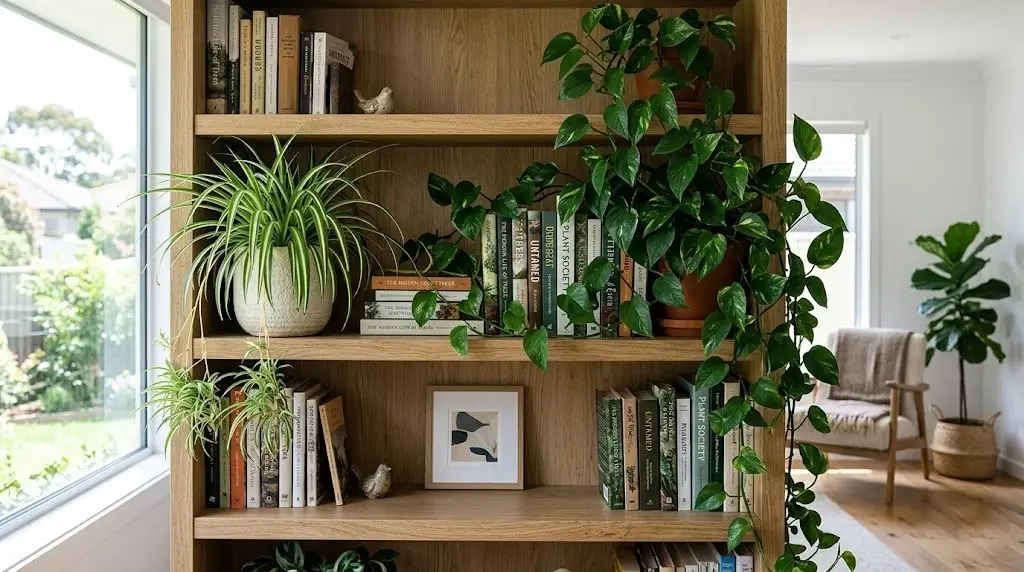
Some plants test your patience; others reward you with longer vines and bigger leaves month after month. The six below are the houseplants that NC State Extension’s Gardener Plant Toolbox rates with a “rapid” growth rate. Two popular plants it rates as medium, pothos and the spider plant, follow as steady growers.
At a glance
| Plant | Growth rate (NC State) | Growth style |
|---|---|---|
| Heartleaf philodendron | Rapid | Trailing or climbing |
| Tradescantia (zebrina) | Rapid | Trailing |
| Monstera | Rapid | Climbing vine |
| English ivy | Rapid | Trailing or climbing |
| Grape ivy | Rapid | Climbing by tendrils |
| Swedish Ivy | Rapid | Trailing |
| Pothos | Medium | Trailing |
| Spider plant | Medium | Arching, with plantlets |
The rapid growers
Heartleaf philodendron
NC State describes the heartleaf philodendron as a tropical evergreen trailing or climbing plant grown as a houseplant in temperate climates, and rates its growth as rapid. The University of Illinois Extension rates it for low light.
Tradescantia
NC State rates tradescantia zebrina, grown for its striped green, white and silver leaves with purple undersides, as a rapid grower. The University of Illinois rates the inch plant for medium light.
Monstera
NC State rates Monstera deliciosa as rapid, and notes that although it can reach 70 feet in the wild, it stays between 6 and 8 feet in most homes.
English ivy
NC State rates English ivy as rapid. It grows in two stages: a juvenile climbing, spreading stage with glossy leaves, and an adult shrubby stage. The University of Illinois rates English ivy for high light.
Grape ivy
NC State rates grape ivy (Cissus rhombifolia) as rapid, calls it a favourite indoor houseplant that climbs by tendrils, and suggests a well-drained, peaty mix in bright but indirect light, though it tolerates a range of light. Keep it evenly moist from spring to autumn and water less in winter.
Swedish ivy
NC State lists Swedish ivy (under the name Plectranthus australis) as rapid, and says it prefers average warmth with a minimum of 50°F (10°C), a moist compost, and semi-shade to bright light out of direct sun. Our Swedish ivy profile covers it in detail.
Two steady growers
- Pothos - NC State rates its growth as medium. Its cuttings are the classic way to multiply it; our propagation guide covers how.
- Spider plant - NC State rates it medium and notes it prefers medium light. It sends out plantlets on runners; the University of Illinois says they root easily, often while still attached.
How to keep them growing
Fast growth depends on conditions:
- Light. The University of Illinois calls light one of the most limiting factors for houseplants; match each plant to its rating above.
- Warmth. The University of Illinois says most foliage plants prefer 65-75°F (about 18-24°C) by day, with nights 5 to 10 degrees lower.
- Feeding. Fertilise only while the plant is actively growing; the University of Illinois says most houseplants need it no more than once every one to three months from March to September, and very little or none in winter.
- Repotting. Fast growers fill their pots quickly. The University of Illinois lists roots coming through the drainage holes or appearing on the surface, a pot full of roots, smaller new leaves and wilting between normal waterings as signs a plant needs repotting, ideally in spring or early summer.
- Winter. Plants rest in the short days of winter (University of Illinois), so expect growth to slow.
A word of caution
Fast growth means more trimming and repotting. NC State also notes that heartleaf philodendron, tradescantia and monstera have low-severity poisonous characteristics and English ivy medium-severity ones, so keep them away from pets and children who chew leaves; our pet-safe houseplants guide has the ASPCA lists.
Frequently asked questions
What is the fastest-growing houseplant?
NC State rates heartleaf philodendron, tradescantia zebrina, monstera, English ivy, grape ivy and Swedish ivy as rapid growers.
Is pothos fast-growing?
NC State rates pothos’s growth rate as medium.
Why has my fast-growing plant stopped growing?
Winter rest is normal (University of Illinois). Otherwise check the light, and whether the roots have filled the pot.
How do I make my houseplant grow faster?
Give it the light it is rated for, keep it warm, feed it while it is actively growing, and repot when it fills its pot (University of Illinois).
Sources
- NC State Extension Gardener Plant Toolbox: Philodendron hederaceum, Tradescantia zebrina, Monstera deliciosa, Hedera helix, Cissus rhombifolia, Plectranthus australis, Epipremnum aureum, Chlorophytum comosum. Read 28 October 2026.
- University of Illinois Extension, houseplants: lighting, care, repotting, specialized structures. Read 28 October 2026.
Recommended Gear on Amazon
- Balanced liquid houseplant fertilizer - browse current options and reviews on Amazon.
- Moss pole for climbing plants - browse current options and reviews on Amazon.
- Hanging planters - browse current options and reviews on Amazon.
As an Amazon Associate, we earn from qualifying purchases - at no extra cost to you. This helps us keep producing free, in-depth guides.