10 Best Bedroom Houseplants
The best bedroom houseplants for clean air, calm, and easy care - including plants that release oxygen at night and tolerate low light.

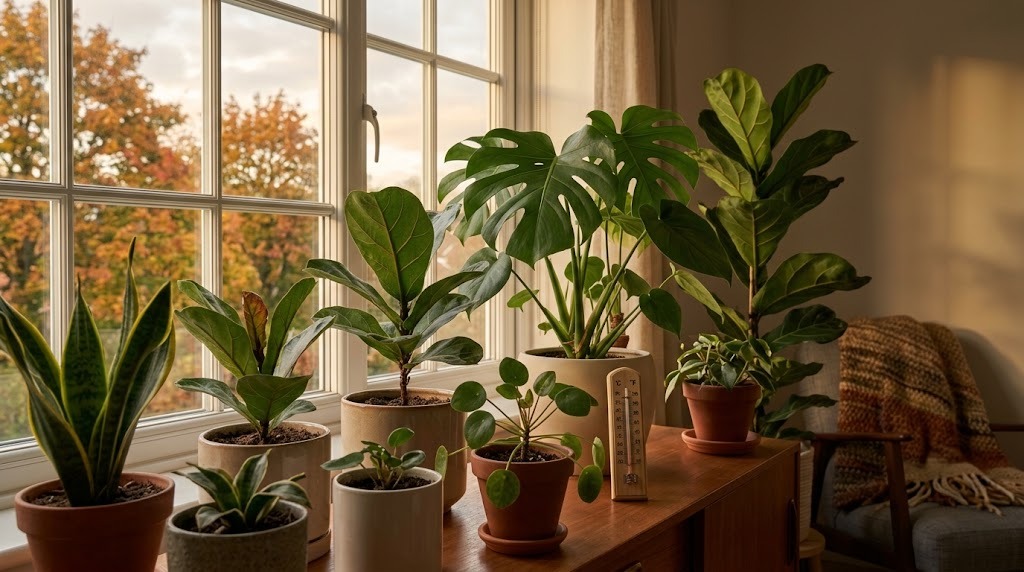
The best bedroom houseplants are the snake plant, aloe vera, ZZ plant, pothos, peace lily, and a potted areca palm - all easy-care picks that cope with dim light and an erratic watering schedule. A bedroom is a slightly unusual place for a plant: it’s often the dimmest room in the home, you’re not there much during the day to fuss over watering, and you want the space to feel calm - not like a chore. So the best bedroom plants share three traits: they tolerate low light, they forgive neglect, and several of them release oxygen at night.
A quick myth-bust first: you’ll read that you shouldn’t keep plants in a bedroom because they “steal oxygen at night.” It’s technically true that most plants respire (take in oxygen) in the dark - but the amount is tiny, far less than a sleeping person or pet. It is completely safe to sleep surrounded by plants. The real benefit is the opposite: greenery measurably lowers stress and helps a room feel restful.
At a Glance: 10 Best Bedroom Plants
| Plant | Night Oxygen | Light | Care |
|---|---|---|---|
| Snake Plant | ✅ Yes | Any | Very easy |
| Aloe Vera | ✅ Yes | Bright | Easy |
| Peace Lily | No | Low-medium | Easy |
| ZZ Plant | No | Low-bright | Very easy |
| Pothos | No | Low-bright | Very easy |
| Lavender (potted) | No | Bright | Moderate |
| Areca Palm | No | Bright indirect | Easy |
| Spider Plant | No | Medium | Very easy |
| English Ivy | No | Medium | Easy |
| Boston Fern | No | Medium, humid | Moderate |
#1: Snake Plant - The Perfect Bedroom Plant
→ Shop live Snake Plant plants on Amazon The snake plant is the definitive bedroom plant. It uses CAM photosynthesis, meaning it takes in carbon dioxide and releases oxygen at night - unusual and a nice fit for a sleeping space. More importantly, it tolerates the low light of a bedroom and survives weeks of neglect, so it never becomes a chore. Put one on a dresser or in a corner and forget about it.
#2: Aloe Vera
→ Shop live Aloe Vera plants on Amazon Like the snake plant, aloe vera releases oxygen at night. It needs a bright spot - ideally a windowsill - so it suits bedrooms with good light. As a bonus, the gel inside its leaves soothes minor burns and dry skin.
#3: Peace Lily
→ Shop live Peace Lily plants on Amazon The peace lily brings something most bedroom plants can’t: flowers, even in low light. It also raises humidity, which helps if you wake up with a dry throat. Its dramatic droop-when-thirsty habit makes it foolproof. Keep it away from pets, as it’s mildly toxic.
#4: ZZ Plant
→ Shop live ZZ Plant plants on Amazon Glossy, handsome, and almost unkillable, the ZZ plant thrives in low light and asks for water only every few weeks - ideal for a room you don’t tend daily.
#5: Pothos
→ Shop live Pothos plants on Amazon Pothos trails beautifully from a shelf or the top of a wardrobe and tolerates the low light of most bedrooms. It also clearly signals thirst by going slightly limp, so you’ll never have to guess.
#6: Lavender (Potted)
→ Shop live Lavender plants on Amazon Lavender is the bedroom plant chosen for scent. Its fragrance is widely associated with relaxation, and several small studies link lavender aroma to better sleep quality. The catch: lavender needs a very bright, sunny windowsill and good airflow, so it only suits bright bedrooms. Treat it as a seasonal guest if your room is dim.
#7: Areca Palm
→ Shop live Areca Palm plants on Amazon The areca palm is a gentle natural humidifier - useful in a bedroom during dry, heated winter months - and brings a soft, calming, tropical texture. It wants bright indirect light.
#8: Spider Plant
→ Shop live Spider Plant plants on Amazon Easy, airy, pet-safe, and happy in medium light, the spider plant looks great in a hanging pot or on a high shelf. A reliable, low-stress choice.
#9: English Ivy
→ Shop live English Ivy plants on Amazon English ivy is a strong trailing plant and studies suggest it can reduce airborne mould - a plus for bedrooms prone to damp. Keep it out of reach of pets, as it’s toxic if chewed.
#10: Boston Fern
→ Shop live Boston Fern plants on Amazon If your bedroom is humid (an en-suite nearby helps) the Boston fern adds lush, soft greenery and acts as a natural humidifier. It needs consistently moist soil and damp air, so it’s the highest-maintenance plant here - choose it only if you can meet that.
How to Style Plants in a Bedroom
- Nightstand: one small, tidy plant - a snake plant or peperomia - keeps it personal without clutter.
- Floor corner: a single tall plant (areca palm, ZZ plant) softens the room and fills empty space.
- Shelf or wardrobe top: a trailing pothos or spider plant draws the eye upward and frees floor space.
- Windowsill: reserve your brightest sill for the light-hungry plants - aloe or lavender.
- Keep it calm: a bedroom feels restful with 2-4 well-placed plants, not a crowded jungle.
Bedroom Plant Care Tips
- Water on a check, not a schedule. You’re not in the room much - push a finger into the soil before watering and only water when it’s dry.
- Dust the leaves. Bedrooms gather dust; a wipe every few weeks keeps low-light plants photosynthesizing.
- Mind the radiator and AC. Don’t place plants directly above a radiator or in an AC draught - both stress them.
- Rotate pots weekly so plants near a single window grow evenly.
Frequently Asked Questions
Is it safe to sleep with plants in the bedroom?
Yes. The old idea that plants “steal oxygen” at night is a myth - the amount they respire is negligible compared with a person. Plants in a bedroom are safe and calming.
Which plants release oxygen at night?
The snake plant and aloe vera use CAM photosynthesis and release oxygen at night. The effect is small but real, and both are excellent low-care bedroom plants anyway.
What is the best plant for a dark bedroom?
The ZZ plant, snake plant, and pothos all tolerate low light well. For a genuinely dark room, a small grow light on a timer will keep any of them thriving.
Do bedroom plants help you sleep?
Indirectly - greenery lowers stress and makes a room feel calmer, which supports better rest. Lavender’s scent is also linked to relaxation. No plant is a substitute for good sleep habits.
Are bedroom plants bad for allergies?
Most foliage plants are fine. Avoid heavily flowering or pollen-producing plants if you have allergies, and don’t let plant soil stay soggy, as damp soil can grow mould.
🛒 Recommended Gear on Amazon
- Snake plant (live) - browse current options and reviews on Amazon.
- ZZ plant (live) - browse current options and reviews on Amazon.
- Bedroom plant stand - browse current options and reviews on Amazon.
As an Amazon Associate, we earn from qualifying purchases - at no extra cost to you. This helps us keep producing free, in-depth guides.