How to Grow Gooseberries: The Old-Fashioned Bush That Crops Early and Asks Little
A beginner's guide to growing trouble-free gooseberries for cooking or dessert, from open-centre pruning against mildew to watching out for leaf-stripping sawfly.
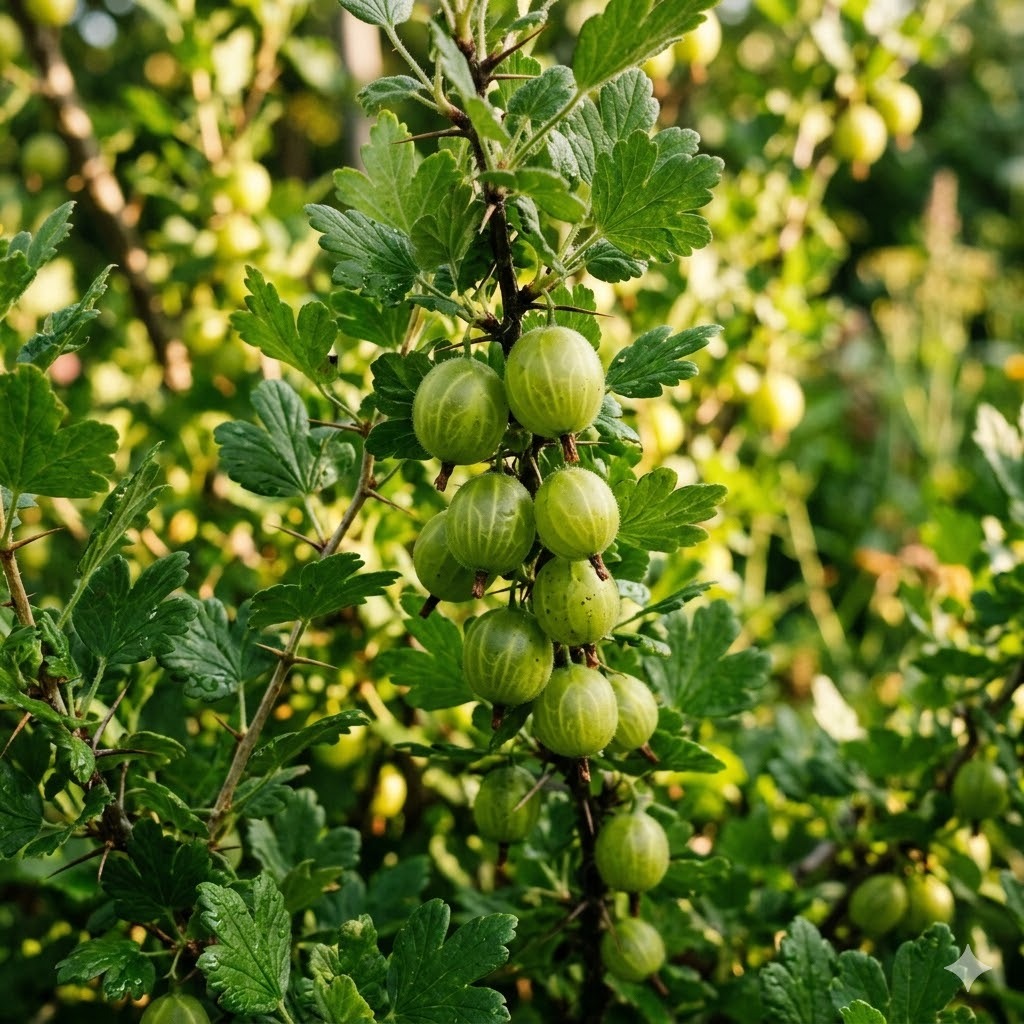
Gooseberries are a proper old-fashioned garden fruit, the kind that used to grow in every cottage plot and deserves to again. The bush is tough, trouble-free and long-lived, and it crops early - often the first fresh fruit of the year, ready when little else is. Whether you pick the berries hard and green for cooking or leave them to ripen soft and sweet, one bush gives a lot for very little effort.
They have a slightly unfair reputation as being all sharpness and thorns. There is some truth to the thorns, though newer types are far friendlier, and the sharpness is a matter of when you pick. Grown well, a gooseberry bush is one of the most forgiving and productive fruits a beginner can plant.
Why grow gooseberries
The honest reason is that gooseberries are hard to buy and easy to grow. Fresh gooseberries barely appear in shops, and when they do the season is fleeting, because the fruit does not travel or keep well. Grow your own and you have a reliable supply every year from a bush that costs little and lasts for ages.
They are also one of the earliest fruits of the season. Gooseberries are ready when the garden has little else to offer, filling the gap before the main summer fruits arrive. That early crop is genuinely useful, and there is real satisfaction in picking the first fruit of the year from your own bush.
Best of all, they are properly low-maintenance. A gooseberry bush is hardy, undemanding and productive, cropping heavily once established with only a yearly prune and a bit of watchfulness. For a beginner, this is exactly the kind of plant to start with - generous, forgiving, and hard to kill.
Choosing a variety
The first thing to decide is how you want to eat them, because it shapes which type to grow. Culinary gooseberries are grown to be picked hard and green for cooking into pies, crumbles and jam, where their sharpness is the whole point. Dessert types are bred to ripen soft, sweet and full of flavour, good enough to eat straight off the bush.
A few worth knowing:
- Dessert types - varieties such as Hinnonmaki Red and Xenia are grown to ripen sweet and are lovely eaten fresh once soft. You can still pick them early and green for cooking if you like, giving you the best of both.
- Culinary types - grown mainly for cooking, picked hard and green, and often very heavy croppers.
- Less thorny types - some newer varieties have been bred with fewer thorns, which makes picking and pruning far more pleasant. If the prospect of thorns puts you off, look for one of these.
A good all-round choice for a beginner is a dessert variety like Hinnonmaki Red, which you can pick early for the kitchen and later for the bush, getting two uses from one plant.
Planting and starting off
Gooseberries are bought as young bushes, either bare-rooted while dormant in autumn and winter, or growing in pots for planting at other times. Bare-root plants are cheap and establish well in the dormant season; potted ones can go in whenever the weather allows, as long as you keep them watered while they settle.
Dig a hole wider than the roots, mix some compost or well-rotted organic matter into the soil, and plant the bush at the same depth it grew before, firming it in and watering well. Gooseberries are not fussy about soil, but they do best in ground that holds a little moisture without waterlogging, and a mulch after planting helps keep the roots cool and damp.
From the outset, aim to grow the bush with an open centre - a short clear stem and a ring of branches around a hollow middle, like a cup. If a young bush is crowded in the heart, remove some central stems early so it grows up open. This open shape is the single most important thing you can do for a gooseberry, because good airflow through the middle is your main defence against mildew.
Where to grow
Gooseberries are easygoing about position. They crop best in a sunny, open spot, but they will tolerate a little shade and still give a decent harvest, so they suit a range of places in the garden. A sheltered, sunny corner gives the sweetest dessert berries, while a slightly shadier spot is fine for a cooking bush.
They are hardy and stand up well to cold, so exposed or chilly gardens are no obstacle. The main thing to avoid is a cramped, stuffy position with poor air movement, because still, humid air around the leaves encourages the mildew that gooseberries are prone to. Give the bush room and let the breeze move through it.
Reasonable, moisture-retentive soil that does not sit waterlogged suits them best. Beyond that, gooseberries are among the least demanding fruits to place, happy in most spots as long as they have some light and a bit of air.
Day-to-day care
Gooseberries need little day to day. Water young bushes through dry spells while they establish, and water established bushes in prolonged drought, particularly while the fruit is swelling, but otherwise they cope well on their own. A spring mulch of compost or well-rotted manure feeds them and helps the soil hold moisture, which covers most of their needs.
Pruning is the main job, and it does two things at once: it keeps the bush cropping well and, crucially, it keeps the centre open against mildew. In winter, prune to that open-centre goblet shape - take out dead, weak, crossing and crowded branches, clear anything growing into the middle, and shorten the new growth on the main branches. An open, airy bush is far less troubled by mildew than a dense, congested one, so this pruning is as much about health as about fruit.
If your bush is a thorny type, tackle pruning with gloves and long sleeves, and note that an open framework also makes picking much easier when the time comes. Keeping the middle clear pays you back at every stage.
Common problems and pests
Two problems are worth knowing about, and both are manageable. The first is American gooseberry mildew, a fungal disease that coats leaves and berries in a powdery white or greyish film and can spoil a crop. It thrives in still, humid, crowded conditions, which is exactly why the open-centre pruning matters so much - good airflow through the bush is the best prevention. Avoid overcrowding, keep the middle clear, and do not overfeed with high-nitrogen feeds that push soft, disease-prone growth.
The second, and the one that catches people out, is gooseberry sawfly. The small green caterpillar-like larvae appear on the leaves, often starting low in the centre of the bush, and they eat with astonishing speed - a healthy bush can be stripped of its leaves in days if you do not notice. Check the leaves regularly through the growing season, especially inside the bush, and pick off any larvae as soon as you see them. An open bush makes them much easier to spot before they do real damage.
Birds can also take an interest, both in the fat buds in winter and the ripe fruit in summer, so net the bush if birds are a nuisance in your garden. Otherwise, gooseberries are a robust, healthy fruit that will not give you much trouble.
Harvesting
When you pick depends entirely on what you want. For cooking, pick the berries while they are still hard, green and sharp - this early fruit is perfect for pies, crumbles and jam, where the tartness is exactly what you are after. Thinning out some of the crop early like this even helps the berries left behind grow larger.
For eating fresh, leave dessert types on the bush to ripen fully. A ripe dessert gooseberry softens, changes colour and sweetens noticeably, becoming good enough to eat straight off the plant. Test one now and then as the season goes on, and pick them once they give slightly and taste sweet. Mind the thorns as you reach in, and pick carefully to avoid squashing the softer ripe fruit.
Storing and preserving
Fresh gooseberries keep for a few days in the fridge, and hard green cooking berries hold better than soft ripe ones, but the crop is really meant to be cooked or preserved rather than stored for long. Happily, they preserve extremely well.
The usual ways to keep a crop are:
- As jam - gooseberries are naturally high in the setting agent that firms up preserves, so they make an easy, reliable jam that sets well without fuss. This is the classic way to bank a glut.
- Cooked and used - stewed with a little sugar, gooseberries go into pies, crumbles, fools and sauces, and freeze well already cooked.
- Frozen raw - open-freeze whole berries on a tray, then bag them up. They freeze very well and cook down straight from frozen, so you can spread the crop across the year.
Freezing is the simplest way to deal with more than you can use at once, and frozen gooseberries are just as good as fresh for cooking later on.
Is it worth it?
Yes, and then some. Gooseberries are one of the best fruits for a beginner to plant: cheap, hardy, long-lived and genuinely low-maintenance, cropping early and heavily with little more than a winter prune and a watchful eye for sawfly. For the small effort involved, a single bush repays you for years.
The honest caveats are minor - the thorns on older types, the need to keep the bush open against mildew, and the sawfly that can strip leaves if ignored. None of these is hard to manage, and newer, less thorny, sweeter varieties have taken much of the sting out of the old reputation. Grow one for cooking or for the sweet dessert berries, and this old-fashioned bush will earn its place in the garden every summer.