๐ŸŒฟ Honest plant care, grown and tested at home NEW 180 plant, mushroom & tea profiles published ๐Ÿ“ฉ Weekly newsletter As an Amazon Associate we earn from qualifying purchases
Home/Gardening/Infusions

Infusions & cordials

Some of the best things to make from a garden never see a plate. Steep your fruit and herbs in spirit, sugar syrup or vinegar and you get liqueurs, cordials and shrubs - the tastiest way to catch a glut or a hedgerow harvest in a bottle. Here are the classics, from sloe gin to elderflower cordial, with the food-safety details that matter.

How to make an infusion

Every recipe on this page is a version of the same simple idea: put fruit or herbs together with a liquid, wait, and strain. There are four families, and the method below works for all of them - the recipes just change the fruit, the base and the time.

๐Ÿ’

Fruit liqueurs

Fruit + sugar + spirit in a jar, left to steep for weeks or months. The spirit draws the colour, flavour and a little of the sugar out of the fruit. A rough starting ratio is about 2 parts fruit to 1 part sugar, topped up with spirit. For over-18s.

๐ŸŒผ

Cordials & syrups

Alcohol-free. Simmer or steep fruit or herbs, then sweeten with sugar to make a concentrated syrup you dilute to taste. Bottle hot into sterilised bottles; they keep a few weeks in the fridge, or freeze in portions.

๐Ÿถ

Shrubs (drinking vinegars)

Fruit + sugar + vinegar. The sugar and vinegar draw a sweet-sour syrup out of the fruit over a few days, which you strain and dilute over soda and ice. The acidity makes them keep well in the fridge.

๐Ÿซ’

Infused oils & vinegars

Herbs, chillies or zest steeped in oil or vinegar for the kitchen. Vinegar is acidic and safe with fresh herbs; oil is not, so oil infusions need fully DRIED ingredients to avoid botulism risk.

The six steps, start to finish

  1. Sterilise everything Wash jars and bottles in hot soapy water and dry them in a low oven (or run through a dishwasher). Clean kit is the difference between a keeper and a mouldy batch.
  2. Pick and prep Use ripe, unblemished fruit and fresh, dry herbs. Prick or lightly crush firm fruit (or freeze it overnight to split the skins), zest citrus thinly with no bitter white pith, and bruise herbs to release their oils.
  3. Combine and seal Layer fruit or herbs with sugar where the recipe calls for it, add the spirit, vinegar or syrup, and seal the jar. Give it a good shake to start the sugar dissolving.
  4. Steep in the dark Keep the jar somewhere cool and dark and shake it every day or two at first, then now and then. Liqueurs want weeks to months; shrubs a few days; syrups just until the flavour is drawn.
  5. Strain and bottle Strain through muslin or a fine sieve (twice for a clear result, without squeezing hard), then funnel into sterilised bottles and label with the date.
  6. Store and use Alcohol liqueurs keep for a year or more in a cool cupboard and improve with age. Syrups, cordials and shrubs live in the fridge; oils and vinegars in a cool, dark place. Check the note on each recipe.

โš ๏ธ Two safety musts: oil infusions need fully dried herbs and chillies (never fresh, and never fresh garlic in oil you keep), and the liqueurs here contain alcohol and are for over-18s. Full detail in the safety note below. Only ever use plants you can identify with confidence.

๐Ÿ’Fruit liqueurs

Steep garden or hedgerow fruit in spirit for a few weeks to a few months, and you have a liqueur far better than the shop can sell. For over-18s.
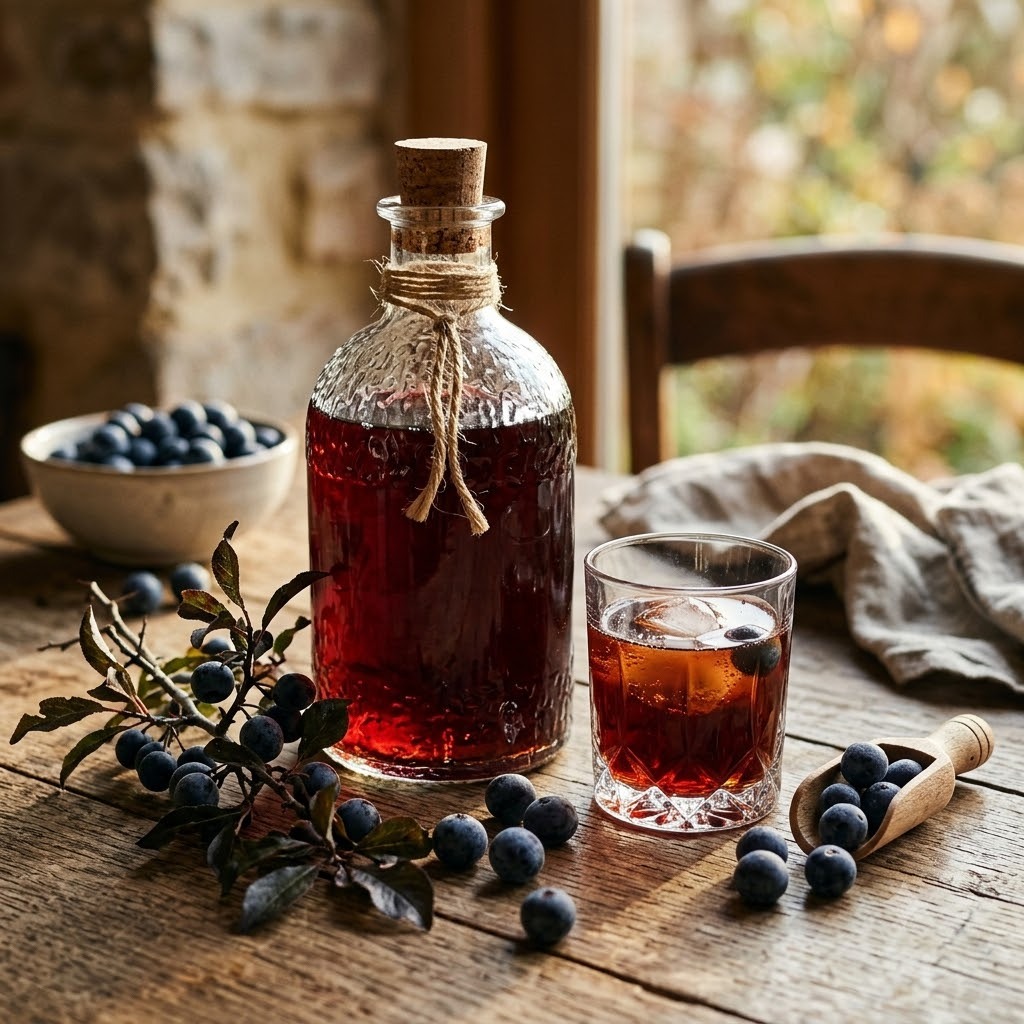
Sloe Gin ๐Ÿธ 18+
๐Ÿธ

Sloe Gin

โฑ 20 min + 2-3 months steeping ยท ๐Ÿถ About 1 litre

Uses: Sloes (blackthorn), or damsons

The classic hedgerow liqueur and the easiest place to start - sloes, sugar and gin in a jar, then patience. Pick sloes after the first frost, or freeze them overnight to split the skins.

Ingredients

  • 450g sloes, washed
  • 225g caster sugar
  • 1 litre gin

Method

  1. Prick each sloe a few times with a needle, or freeze them overnight so the skins split.
  2. Half-fill a large sterilised jar with the sloes and pour the sugar over them.
  3. Top up with the gin, seal, and shake to start the sugar dissolving.
  4. Store somewhere cool and dark. Shake every day for the first week, then once a week for 2 to 3 months.
  5. Strain through muslin into clean bottles. It keeps for years and only improves.

Tip: It is drinkable at 2 months but rounder at 3 or more. The gin-soaked sloes are lovely stirred through chocolate puddings.
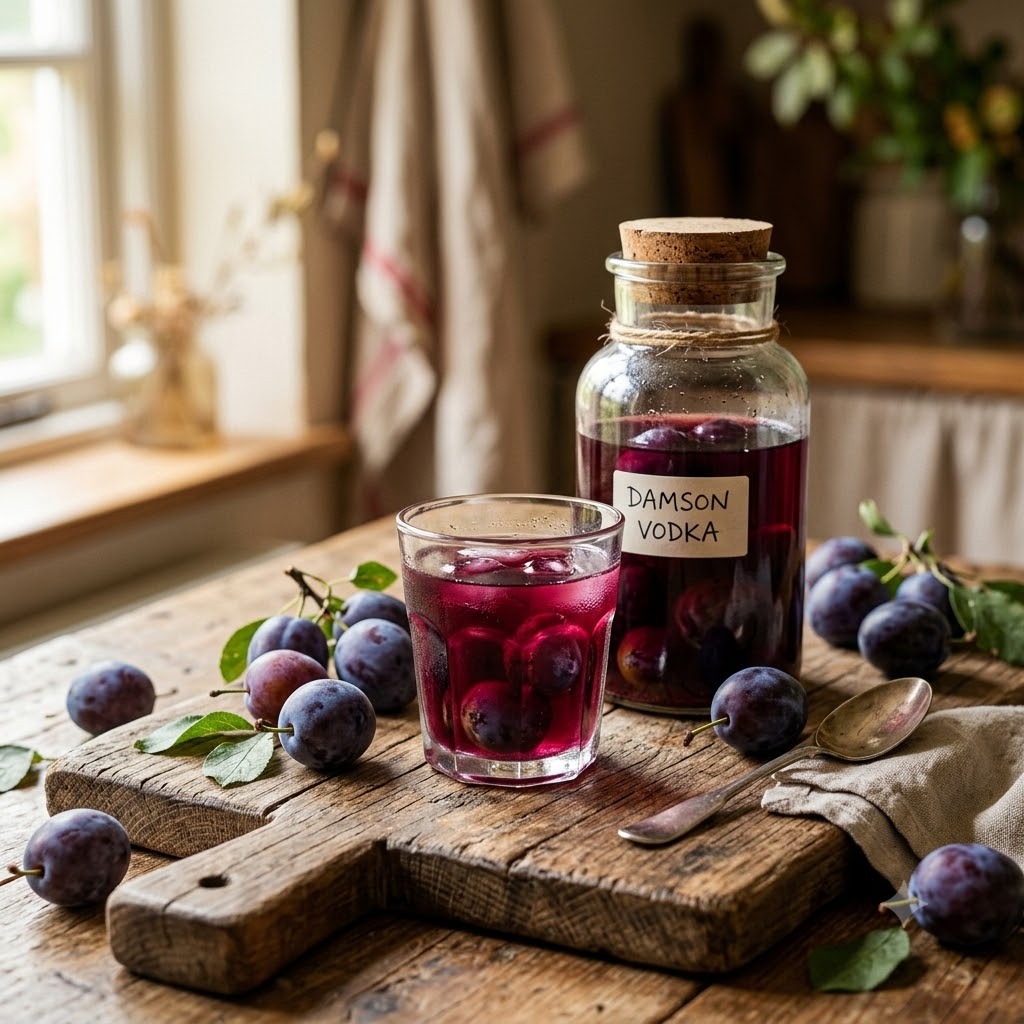
Damson Vodka ๐Ÿ‘ 18+
๐Ÿ‘

Damson Vodka

โฑ 20 min + 3 months steeping ยท ๐Ÿถ About 1 litre

Uses: Damsons or plums

Damsons make a deeper, plummier version of sloe gin, and vodka lets the fruit flavour come through cleanly. Any tart plum works.

Ingredients

  • 500g damsons, washed and halved (stones left in)
  • 200g caster sugar
  • 1 litre vodka

Method

  1. Halve the damsons and drop them into a large sterilised jar, stones and all.
  2. Add the sugar and pour over the vodka.
  3. Seal and shake well, then store cool and dark.
  4. Shake every few days for a fortnight, then leave for 3 months, shaking occasionally.
  5. Strain into clean bottles.

Tip: A few cracked stones add a faint almond note, but do not overdo it - use only a handful and never blitz them.
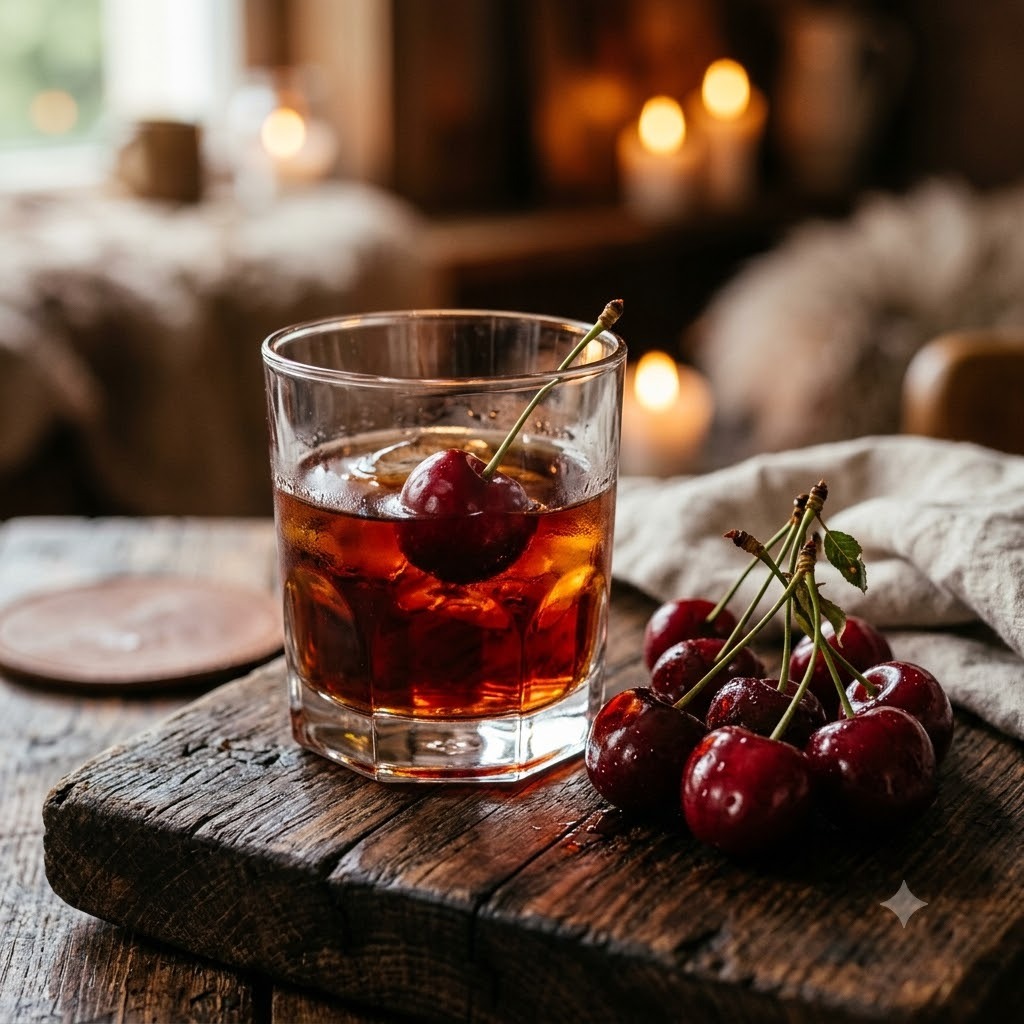
Cherry Brandy ๐Ÿ’ 18+
๐Ÿ’

Cherry Brandy

โฑ 20 min + 2-3 months steeping ยท ๐Ÿถ About 750ml

Uses: Morello or sweet cherries

Tart morello cherries and brandy make a rich, festive liqueur that is worth the wait. Sweet cherries work too - just cut the sugar back a little.

Ingredients

  • 500g cherries, washed
  • 150g caster sugar
  • 500ml brandy

Method

  1. Prick the cherries all over, or halve them and leave the stones in.
  2. Layer the cherries and sugar in a sterilised jar.
  3. Pour over the brandy, seal and shake.
  4. Store cool and dark, shaking now and then, for 2 to 3 months.
  5. Strain into bottles. The boozy cherries are a dessert in themselves.

Tip: Leave the stones in for a subtle almond depth, or take them out for a cleaner cherry flavour.
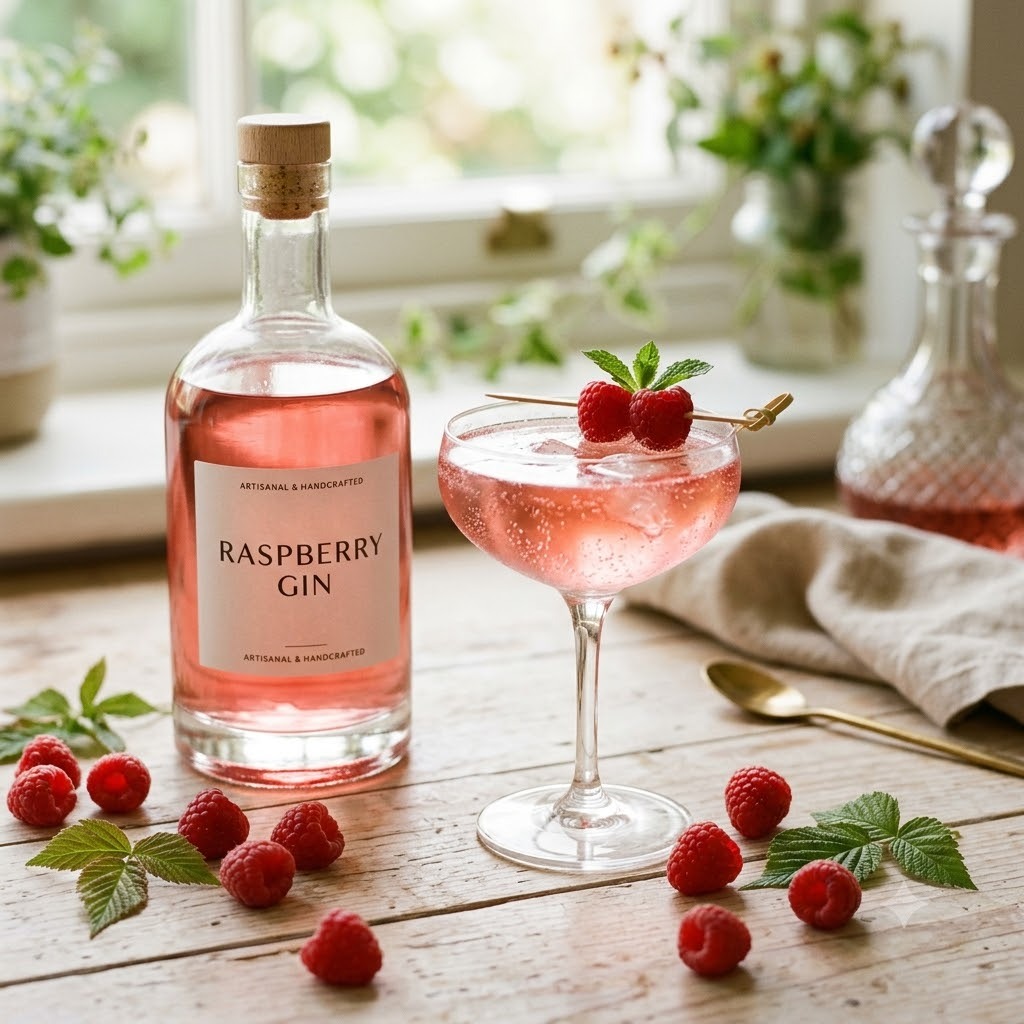
Raspberry Gin ๐ŸŒธ 18+
๐ŸŒธ

Raspberry Gin

โฑ 15 min + 4-6 weeks steeping ยท ๐Ÿถ About 750ml

Uses: Raspberries

One of the quickest liqueurs - soft fruit gives up its colour and flavour fast, so raspberry gin is ready in weeks rather than months. Blackberries and blackcurrants work the same way.

Ingredients

  • 400g raspberries
  • 150g caster sugar
  • 600ml gin

Method

  1. Tip the raspberries into a sterilised jar and lightly crush a few against the side.
  2. Add the sugar and pour over the gin.
  3. Seal and shake, then store cool and dark.
  4. Shake every couple of days for 4 to 6 weeks.
  5. Strain through muslin into clean bottles, pressing gently to get the last of the juice.

Tip: Wonderful topped up with sparkling water or prosecco. Use within a year for the freshest fruit flavour.
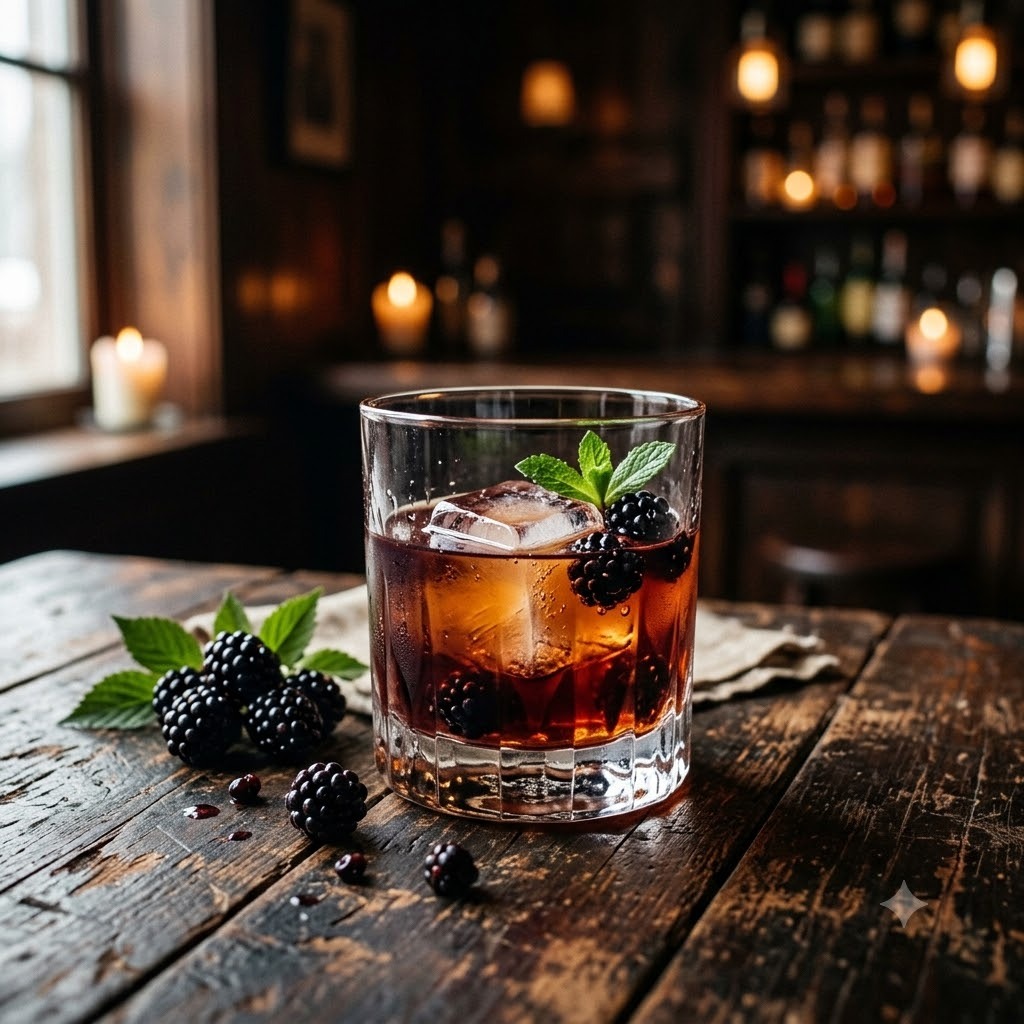
Blackberry Whisky ๐Ÿซ 18+
๐Ÿซ

Blackberry Whisky

โฑ 15 min + 6-8 weeks steeping ยท ๐Ÿถ About 750ml

Uses: Blackberries (brambles)

Free hedgerow blackberries and a modest whisky turn into something far greater than the sum of their parts. A late-summer forager's favourite.

Ingredients

  • 450g blackberries
  • 175g caster sugar
  • 600ml whisky (blended is fine)

Method

  1. Put the blackberries in a sterilised jar and crush lightly.
  2. Add the sugar and pour over the whisky.
  3. Seal, shake, and store cool and dark.
  4. Shake every few days for 6 to 8 weeks.
  5. Strain into bottles and leave another month if you can.

Tip: There is no need for a good single malt here - a cheap blended whisky is transformed by the fruit.
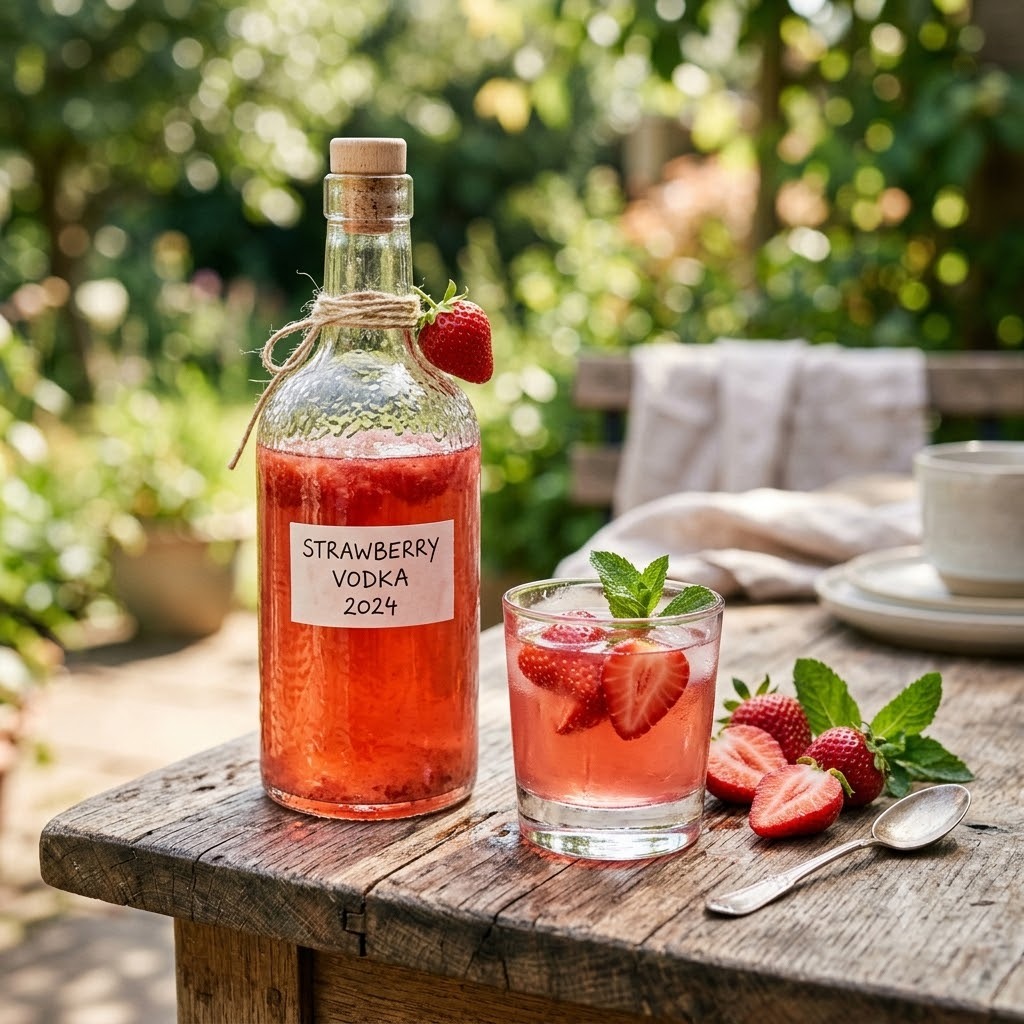
Strawberry Vodka ๐Ÿ“ 18+
๐Ÿ“

Strawberry Vodka

โฑ 15 min + 3-4 weeks steeping ยท ๐Ÿถ About 750ml

Uses: Strawberries

About the simplest liqueur there is, and a brilliant way to use a strawberry glut before it turns. Just hull the berries, drop them in a jar with sugar and vodka, and wait a few weeks - the vodka draws out the colour and that fresh summer flavour.

Ingredients

  • 400g ripe strawberries, hulled and halved
  • 150g caster sugar
  • 600ml vodka

Method

  1. Hull and halve the strawberries and tip them into a large sterilised jar.
  2. Add the sugar and pour over the vodka.
  3. Seal and shake to start the sugar dissolving.
  4. Store cool and dark, shaking every couple of days, for 3 to 4 weeks.
  5. Strain through muslin into clean bottles.

Tip: Soft fruit steeps fast, so taste from 3 weeks. Lovely topped up with prosecco or lemonade. Use within a year.
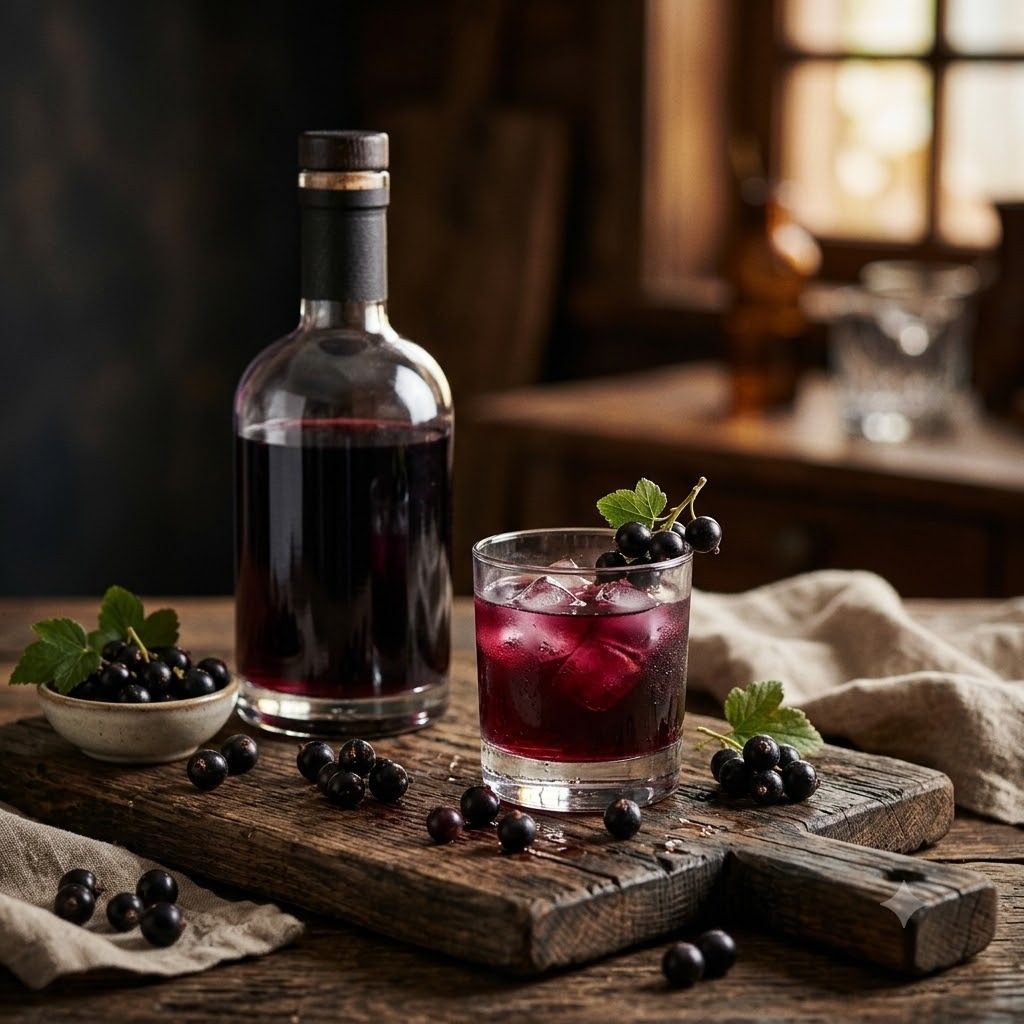
Blackcurrant Vodka ๐Ÿซ 18+
๐Ÿซ

Blackcurrant Vodka

โฑ 15 min + 6-8 weeks steeping ยท ๐Ÿถ About 750ml

Uses: Blackcurrants

Strip the currants off their stalks, throw them in a jar with sugar and vodka, and you have the makings of a homemade cassis. Deep purple, intense and tart - a little goes a long way in a glass of fizz.

Ingredients

  • 400g blackcurrants, stalks removed
  • 200g caster sugar
  • 600ml vodka

Method

  1. Strip the currants off their stalks and lightly crush a handful against the side of a sterilised jar.
  2. Add the rest of the currants and the sugar, then pour over the vodka.
  3. Seal and shake well.
  4. Store cool and dark, shaking every few days, for 6 to 8 weeks.
  5. Strain through muslin into clean bottles, pressing gently to get the last of the juice.

Tip: Very concentrated - try a splash in sparkling water or white wine before drinking it neat. Redcurrants work the same way for a lighter result.
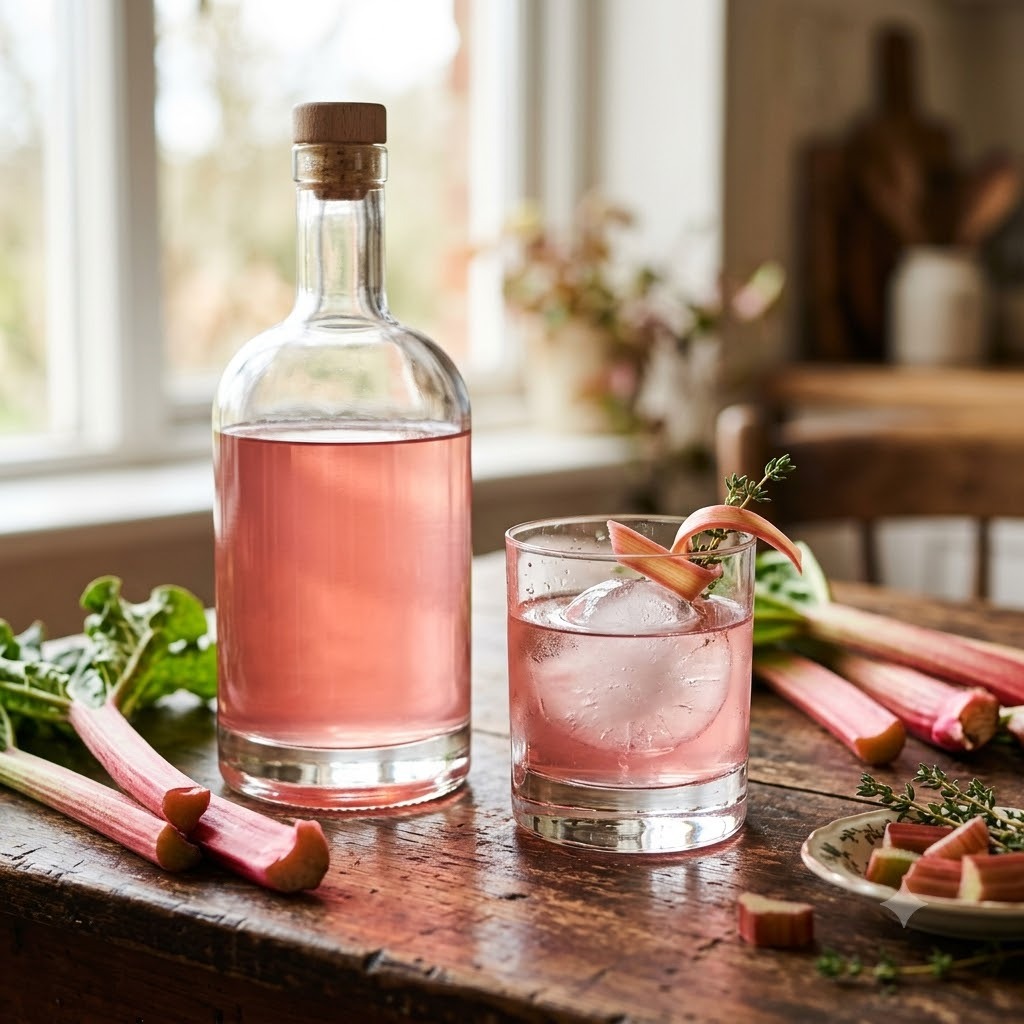
Rhubarb Vodka ๐ŸŒท 18+
๐ŸŒท

Rhubarb Vodka

โฑ 15 min + 4-6 weeks steeping ยท ๐Ÿถ About 900ml

Uses: Rhubarb

One of the prettiest things to make from the veg patch - raw rhubarb turns the vodka a soft blush pink and gives it a clean, tart flavour. Forced early rhubarb gives the brightest colour, but any works. No cooking needed.

Ingredients

  • 500g rhubarb, chopped into 2cm pieces
  • 200g caster sugar
  • 700ml vodka

Method

  1. Chop the rhubarb (no need to peel) and pack it into a large sterilised jar.
  2. Add the sugar and pour over the vodka.
  3. Seal and shake to start the sugar dissolving.
  4. Store cool and dark, shaking every couple of days, for 4 to 6 weeks until pink and fragrant.
  5. Strain into clean bottles.

Tip: Use only the stalks - rhubarb leaves are toxic and must never go in. Wonderful long with tonic or soda and a slice of orange.
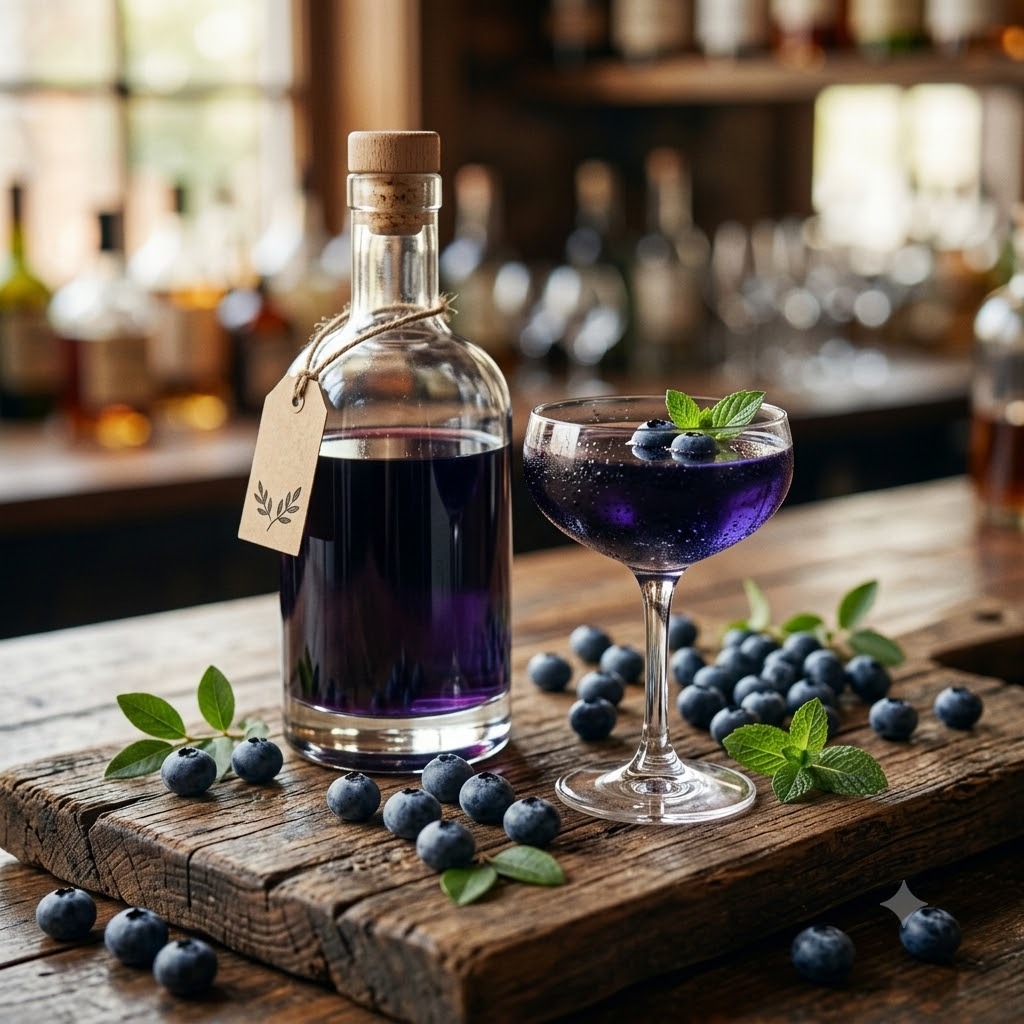
Blueberry Vodka ๐Ÿ”ต 18+
๐Ÿ”ต

Blueberry Vodka

โฑ 15 min + 6-8 weeks steeping ยท ๐Ÿถ About 750ml

Uses: Blueberries

Garden blueberries make a smooth, rounded liqueur with a gorgeous inky colour. As easy as it gets - crush a few, jar them with sugar and vodka, and leave them to it.

Ingredients

  • 400g blueberries
  • 150g caster sugar
  • 600ml vodka

Method

  1. Tip the blueberries into a sterilised jar and lightly crush about a third of them against the side.
  2. Add the sugar and pour over the vodka.
  3. Seal and shake.
  4. Store cool and dark, shaking every few days, for 6 to 8 weeks.
  5. Strain through muslin into clean bottles.

Tip: The vodka-soaked berries are lovely spooned over ice cream. Use the liqueur within a year.
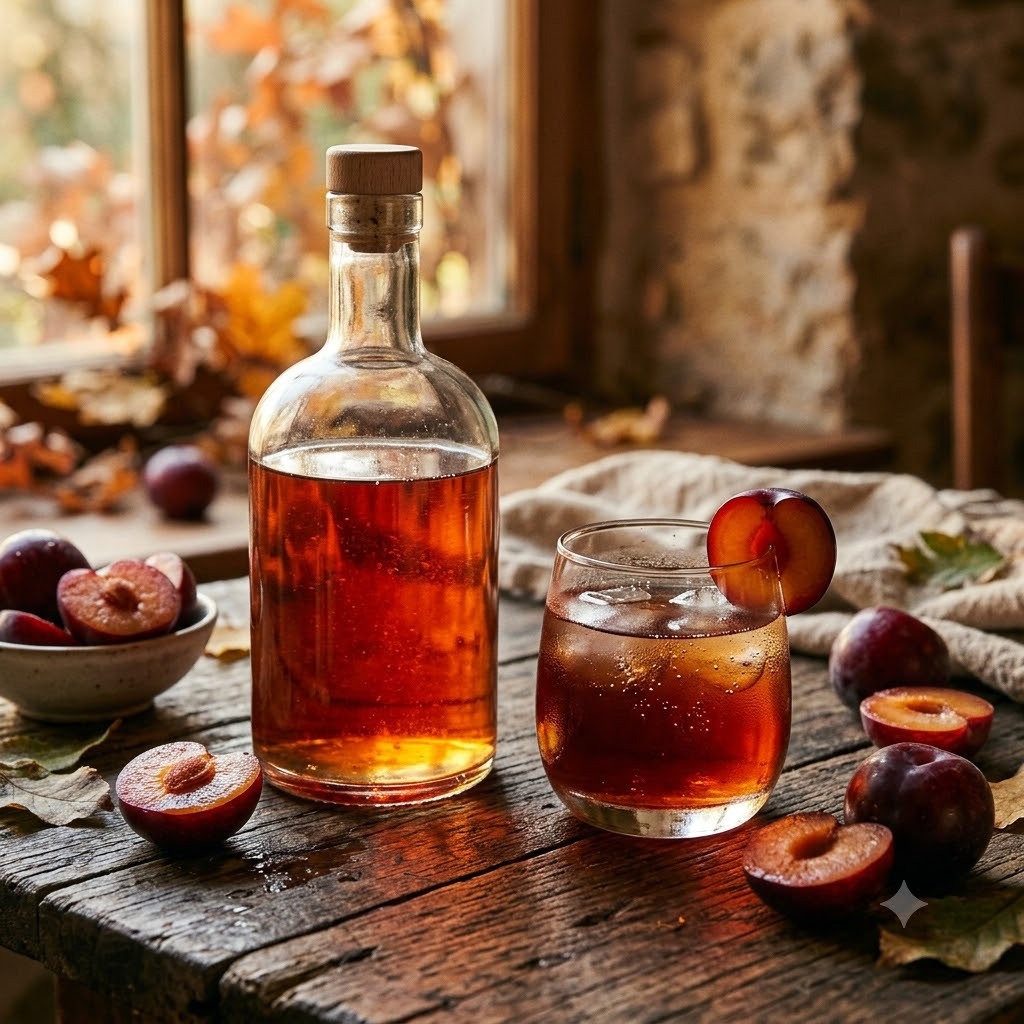
Plum Vodka ๐ŸŸฃ 18+
๐ŸŸฃ

Plum Vodka

โฑ 20 min + 2-3 months steeping ยท ๐Ÿถ About 1 litre

Uses: Plums, greengages

When the plum tree gives more than you can eat, this is the answer - halved plums, sugar and vodka in a jar, and a warm, autumnal liqueur by winter. Greengages and mirabelles work just as well.

Ingredients

  • 600g plums, washed and halved (stones left in)
  • 225g caster sugar
  • 700ml vodka

Method

  1. Halve the plums, leaving the stones in, and drop them into a large sterilised jar.
  2. Add the sugar and pour over the vodka.
  3. Seal and shake well.
  4. Store cool and dark, shaking every few days for a fortnight, then now and then for 2 to 3 months.
  5. Strain into clean bottles.

Tip: A couple of the stones cracked open add a gentle almond note - use only a few and never blitz them. It only improves with keeping.
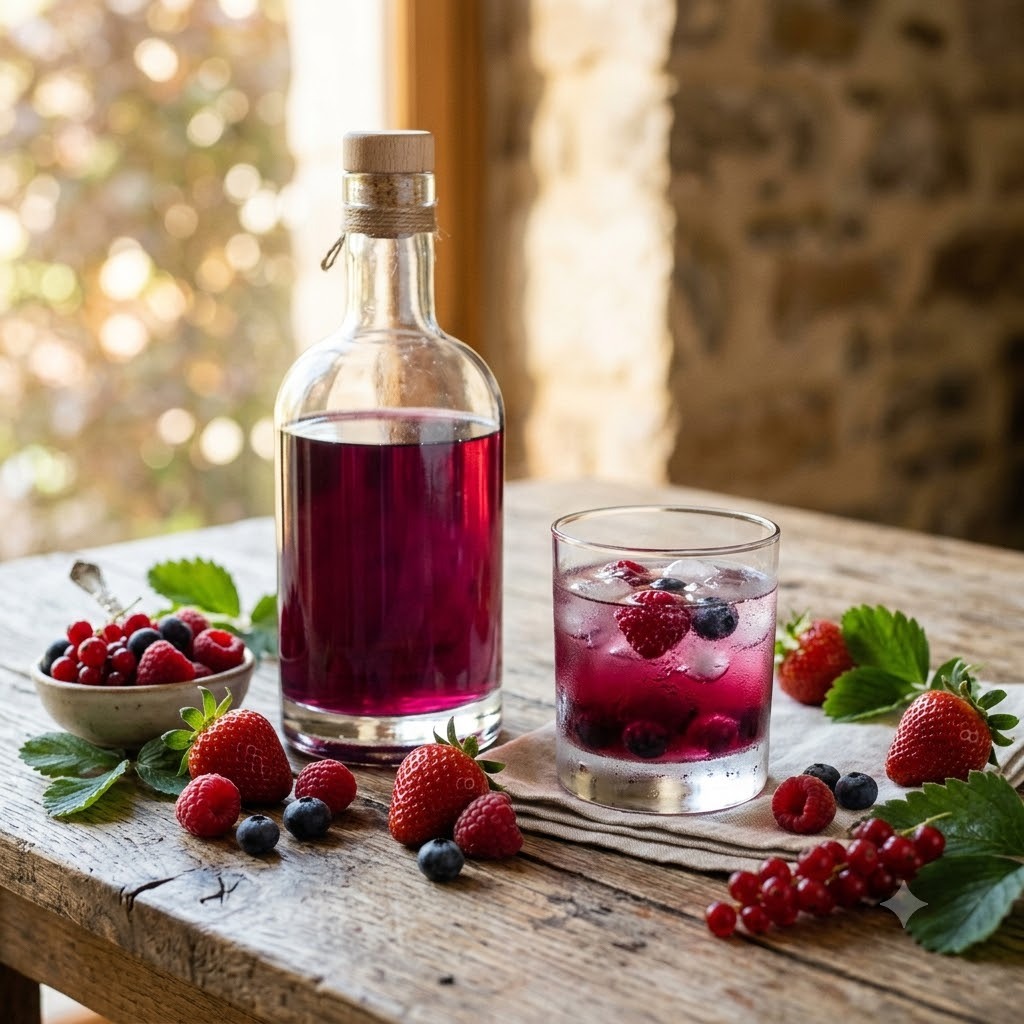
Garden Berry Vodka ๐Ÿ‡ 18+
๐Ÿ‡

Garden Berry Vodka

โฑ 15 min + 6-8 weeks steeping ยท ๐Ÿถ About 750ml

Uses: Any garden or hedgerow berries

The recipe for a mixed glut - a handful of this and that from the summer garden, all steeped together. Strawberries, raspberries, currants, blueberries, blackberries, in any proportion you happen to have. There is no wrong mix.

Ingredients

  • 450g mixed berries (whatever you have)
  • 175g caster sugar
  • 600ml vodka

Method

  1. Tip all the berries into a large sterilised jar and lightly crush a handful against the side.
  2. Add the sugar and pour over the vodka.
  3. Seal and shake to start the sugar dissolving.
  4. Store cool and dark, shaking every few days, for 6 to 8 weeks.
  5. Strain through muslin into clean bottles, pressing gently.

Tip: Add the berries as they ripen through the summer if you like, topping up the vodka and sugar - just start the clock again each time. Use within a year.
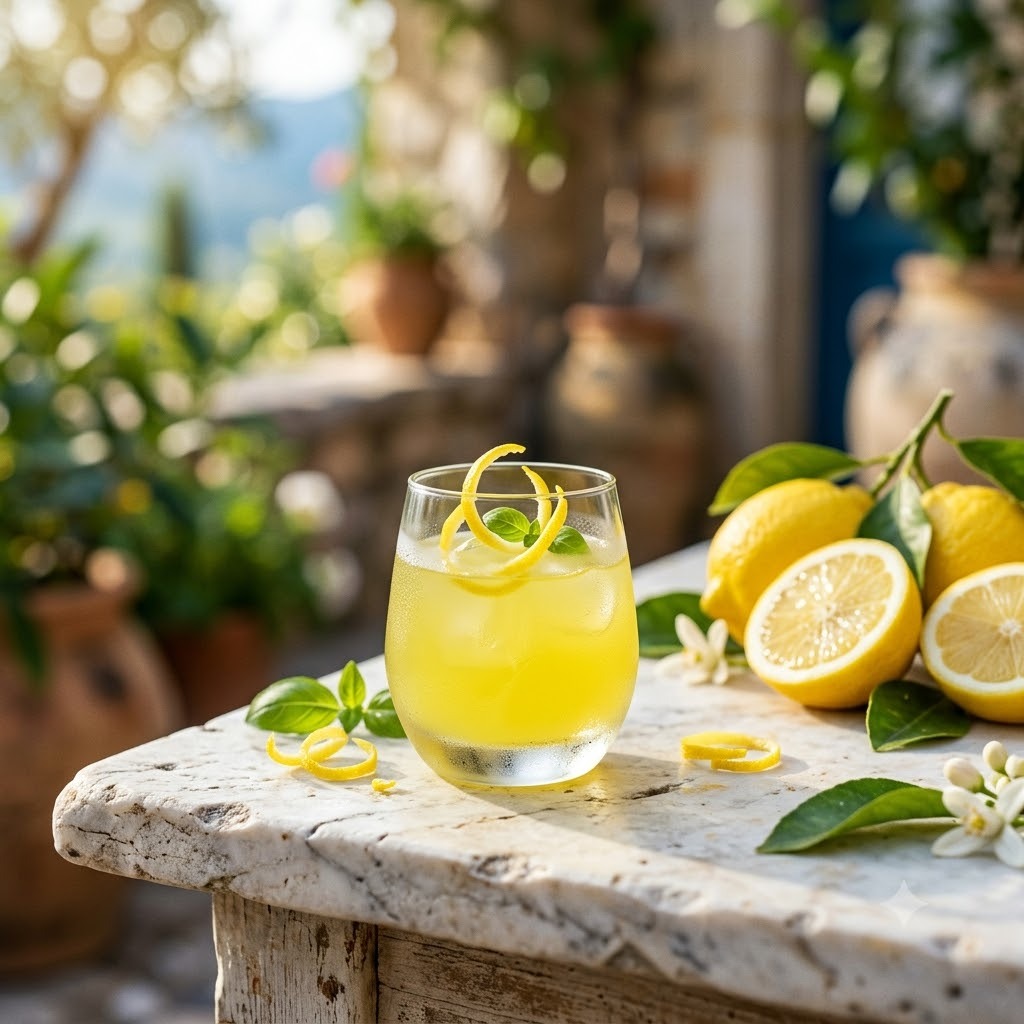
Limoncello ๐Ÿ‹ 18+
๐Ÿ‹

Limoncello

โฑ 30 min + 1-2 weeks steeping ยท ๐Ÿถ About 1 litre

Uses: Lemons (unwaxed)

The Italian classic, and all about the zest - it is the oils in the peel, not the juice, that carry the flavour. Use unwaxed lemons and take only the yellow, never the bitter white pith.

Ingredients

  • Zest of 8 unwaxed lemons (yellow only)
  • 500ml high-proof vodka or grain spirit
  • 350g sugar
  • 400ml water

Method

  1. Pare the zest thinly, avoiding the white pith, and put it in a sterilised jar.
  2. Pour over the spirit, seal, and steep cool and dark for 1 to 2 weeks, until the spirit is bright yellow.
  3. Make a syrup: warm the sugar and water until dissolved, then cool completely.
  4. Strain the zest out of the spirit, stir in the cooled syrup, and bottle.
  5. Rest a few days, then keep in the freezer and serve ice-cold.

Tip: Keep it in the freezer - it will not freeze solid, and limoncello is meant to be drunk almost frozen.
๐ŸŒผCordials & syrups

Alcohol-free. Sweet, intense fruit and herb syrups to dilute into still or sparkling water, or pour over puddings.

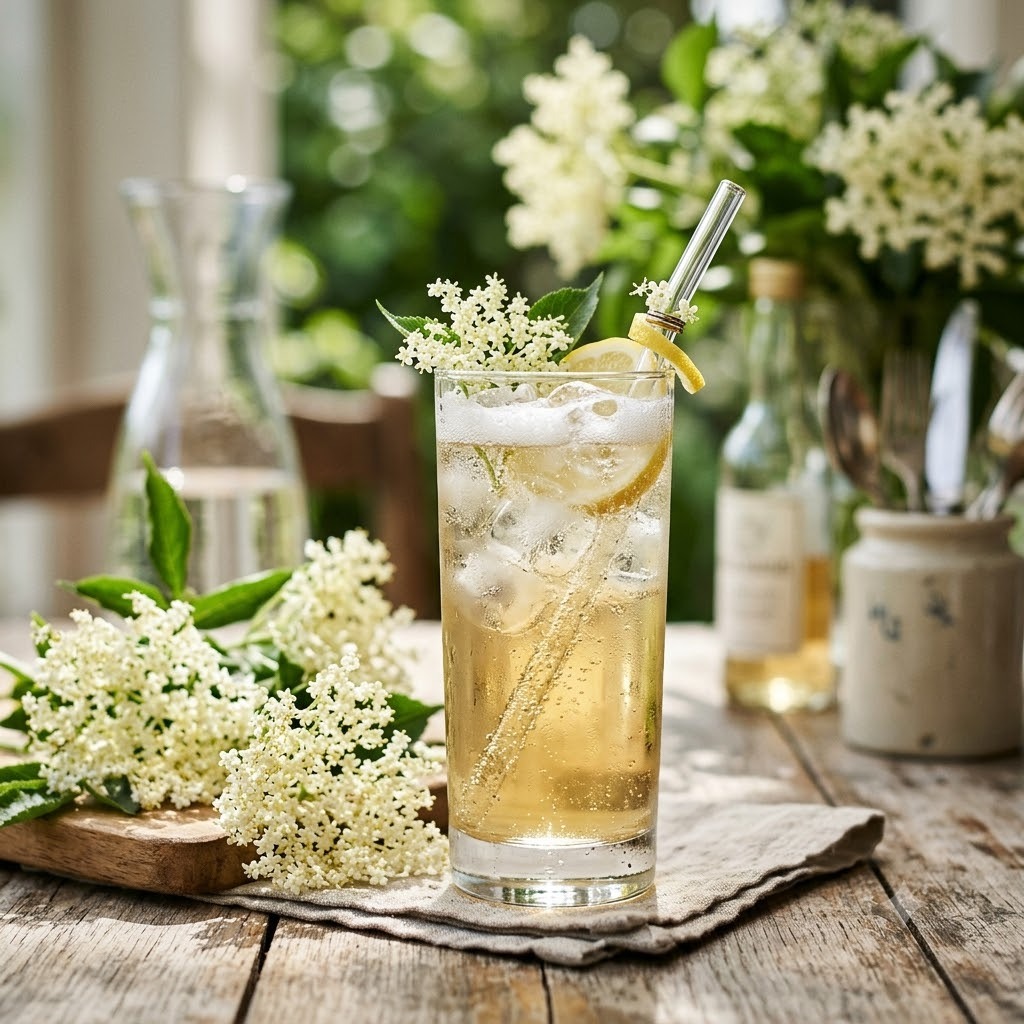
Elderflower Cordial ๐ŸŒผ
๐ŸŒผ

Elderflower Cordial

โฑ 30 min + 24 hrs steeping ยท ๐Ÿถ About 1.5 litres

Uses: Elderflowers, lemons

The taste of early summer, and completely alcohol-free. Pick the flower heads on a dry, sunny morning when the scent is strongest, and shake out any insects rather than washing away the fragrant pollen.

Ingredients

  • 25-30 elderflower heads
  • 1.5kg sugar
  • 1.5 litres water
  • 2 unwaxed lemons, sliced
  • 50g citric acid

Method

  1. Dissolve the sugar in the water over gentle heat, then bring to a boil and turn off.
  2. Add the lemon slices, citric acid and elderflower heads, and stir.
  3. Cover and leave to steep at room temperature for 24 hours.
  4. Strain through muslin into sterilised bottles.
  5. Dilute to taste with still or sparkling water. Keeps a month in the fridge, or freeze in batches.

Tip: The citric acid sharpens the flavour and helps it keep - find it in the home-baking or brewing aisle. Only pick elder flowers you can confidently identify.

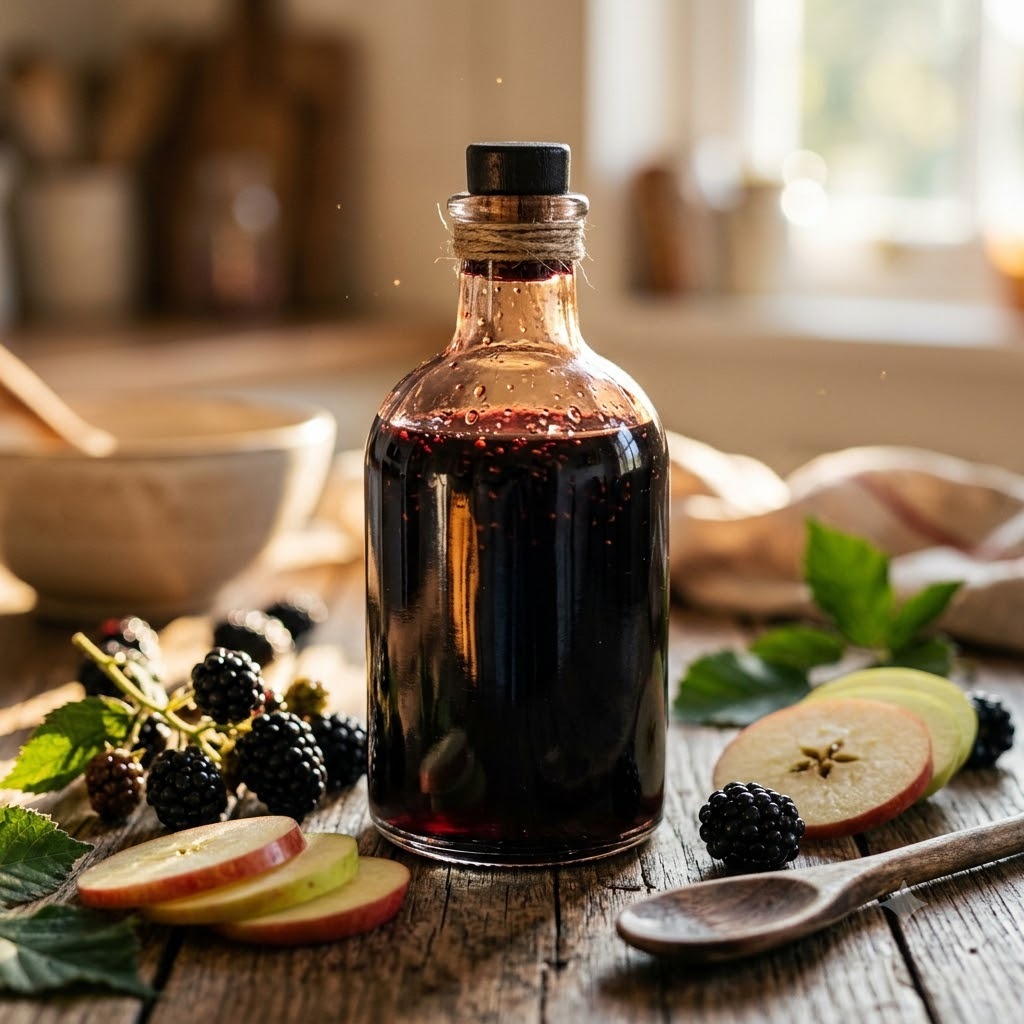
Blackberry & Apple Syrup ๐ŸŽ
๐ŸŽ

Blackberry & Apple Syrup

โฑ 45 min ยท ๐Ÿถ About 750ml

Uses: Blackberries, apples

A deep purple, alcohol-free syrup from the classic autumn pairing - lovely over pancakes and ice cream, or diluted into a soft drink. Windfall apples are perfect.

Ingredients

  • 500g blackberries
  • 2 apples, chopped (cores in)
  • 300ml water
  • Sugar (about 350g - see step 4)
  • Juice of 1 lemon

Method

  1. Simmer the blackberries and apples with the water until soft and pulpy, about 20 minutes.
  2. Mash, then strain through muslin or a jelly bag - do not squeeze if you want it clear.
  3. Measure the juice back into the pan.
  4. Add about 350g sugar per 500ml of juice, plus the lemon juice.
  5. Heat gently to dissolve the sugar, simmer 5 minutes, then bottle in sterilised bottles. Keeps 2-3 weeks in the fridge, or freeze.

Tip: For a thicker pouring syrup, simmer a few minutes longer to reduce it.

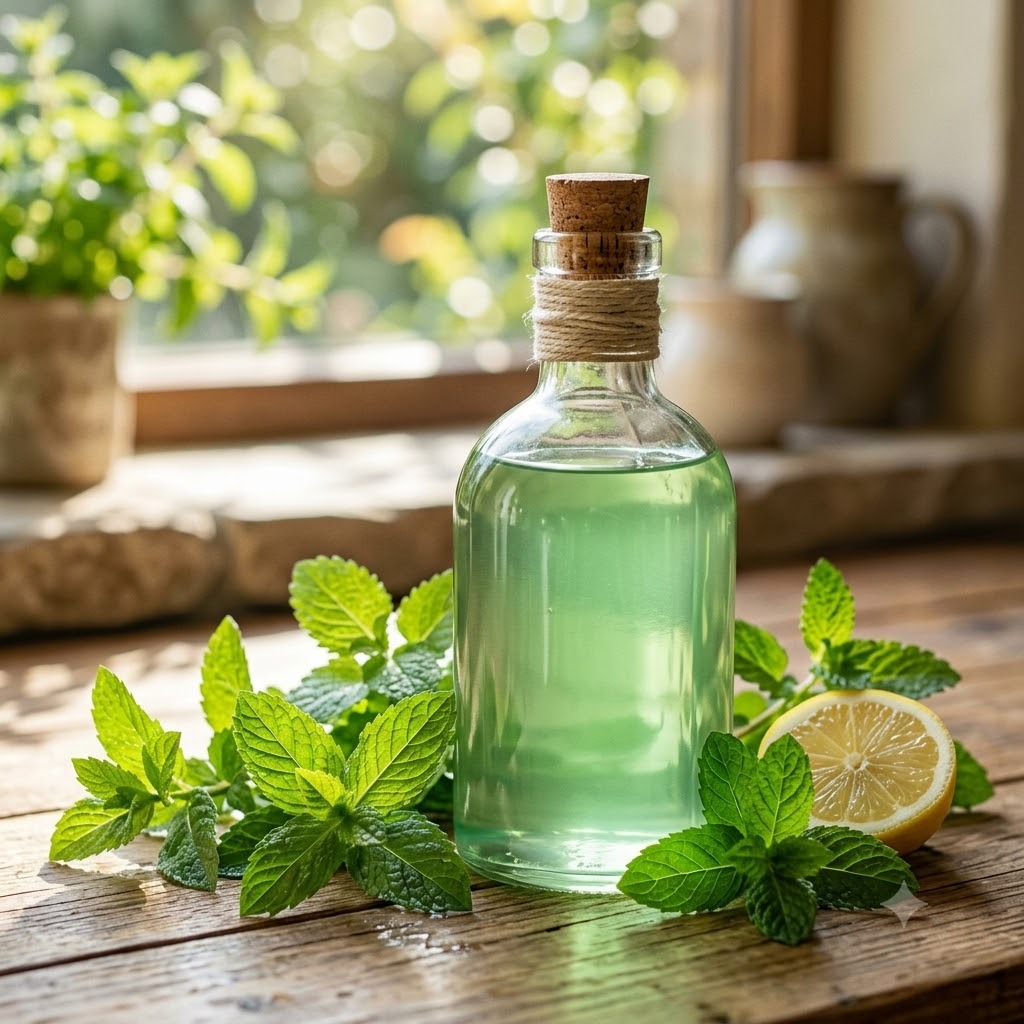
Mint & Lemon Balm Syrup ๐ŸŒฟ
๐ŸŒฟ

Mint & Lemon Balm Syrup

โฑ 20 min + cooling ยท ๐Ÿถ About 500ml

Uses: Mint, lemon balm

A simple herb syrup that captures the summer garden in a bottle - stir it into water, lemonade, iced tea or fruit salad. It is the best way to use a mint patch that has taken over.

Ingredients

  • A large handful of mint and lemon balm leaves
  • 250g sugar
  • 250ml water
  • A strip of lemon zest

Method

  1. Bruise the herb leaves lightly in your hands to release the oils.
  2. Warm the sugar and water until the sugar dissolves, then bring to a brief boil.
  3. Turn off the heat, add the herbs and lemon zest, and press them under the syrup.
  4. Cover and leave to infuse until completely cool, about an hour.
  5. Strain into a sterilised bottle. Keeps 2-3 weeks in the fridge.

Tip: Works with almost any soft herb - try basil, lemon verbena or a little rosemary.

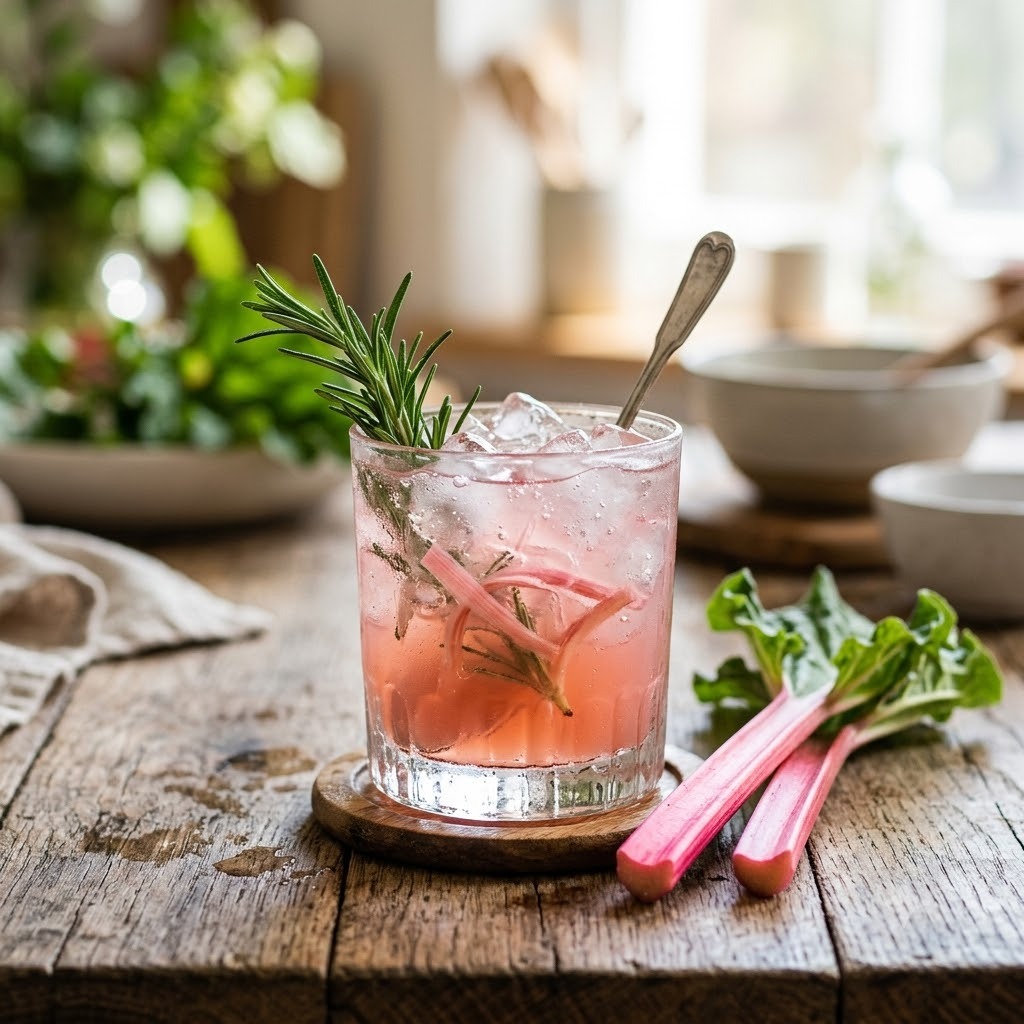
Rhubarb & Rosemary Cordial ๐ŸŒธ
๐ŸŒธ

Rhubarb & Rosemary Cordial

โฑ 40 min ยท ๐Ÿถ About 750ml

Uses: Rhubarb, rosemary

Pink, tart and gently herbal - forced early rhubarb gives the brightest colour, but any works. A sprig of rosemary keeps it from being one-note.

Ingredients

  • 600g rhubarb, chopped
  • 300g sugar
  • 400ml water
  • 1 sprig rosemary
  • Juice of 1 lemon

Method

  1. Simmer the rhubarb with the water until completely soft and collapsed, about 15 minutes.
  2. Strain through muslin without pressing, to keep the colour clear.
  3. Return the juice to the pan with the sugar, rosemary and lemon juice.
  4. Heat gently to dissolve the sugar, then simmer 5 minutes.
  5. Lift out the rosemary and bottle in sterilised bottles. Keeps 2 weeks in the fridge, or freeze.

Tip: Save the strained rhubarb pulp - sweetened, it is a quick compote for yoghurt or porridge.

๐ŸถShrubs (drinking vinegars)

An old-fashioned sweet-sour syrup made with vinegar - the base of a wonderfully refreshing soft drink over soda and ice.

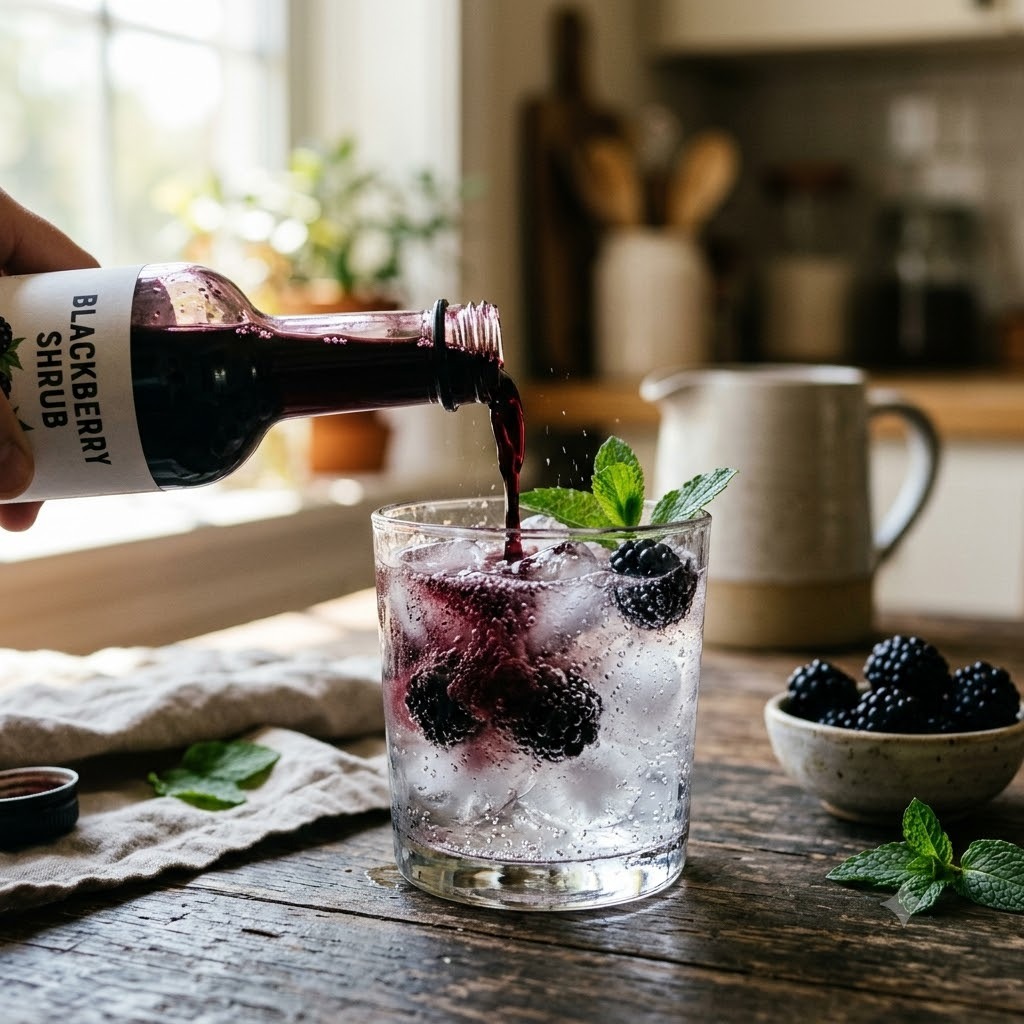
Blackberry Shrub ๐Ÿถ
๐Ÿถ

Blackberry Shrub

โฑ 15 min + 2-3 days steeping ยท ๐Ÿถ About 500ml

Uses: Blackberries

A shrub is an old-fashioned drinking vinegar - fruit, sugar and vinegar steeped into a sweet-sour syrup that makes a grown-up, refreshing soft drink over ice and soda. The vinegar mellows completely.

Ingredients

  • 300g blackberries
  • 200g sugar
  • 200ml cider or red wine vinegar

Method

  1. Mash the blackberries with the sugar in a bowl and cover.
  2. Leave in the fridge for 1 to 2 days, stirring now and then, until the sugar has drawn out a syrup.
  3. Stir in the vinegar and leave another day.
  4. Strain through muslin into a sterilised bottle, pressing to extract the syrup.
  5. To serve, mix 1 part shrub with 4-5 parts sparkling water over ice. Keeps a month or more in the fridge.

Tip: Raspberries, strawberries and blackcurrants all make excellent shrubs the same way.

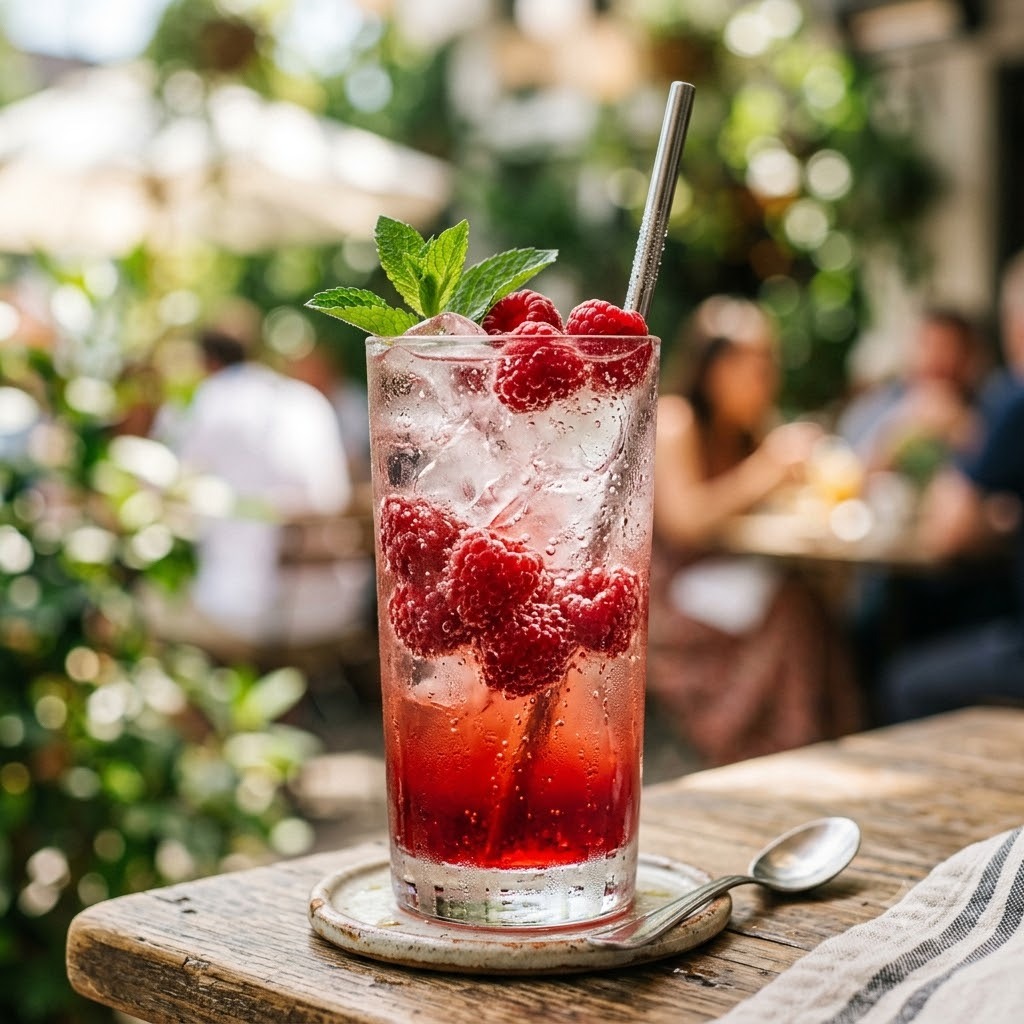
Raspberry Shrub ๐Ÿฅค
๐Ÿฅค

Raspberry Shrub

โฑ 15 min + 2 days steeping ยท ๐Ÿถ About 500ml

Uses: Raspberries

A bright pink drinking vinegar with a sharp, refreshing edge - the quickest shrub of all, since raspberries break down so readily.

Ingredients

  • 300g raspberries
  • 180g sugar
  • 200ml white wine or cider vinegar

Method

  1. Crush the raspberries with the sugar and cover.
  2. Leave in the fridge for 2 days, stirring occasionally, until syrupy.
  3. Stir in the vinegar and leave a few hours more.
  4. Strain into a sterilised bottle.
  5. Serve long with sparkling water and ice, or use a splash in dressings.

Tip: A spoonful also brightens a salad dressing or a glaze for roast vegetables.

๐Ÿซ’Infused oils & vinegars

Herb and chilli oils and vinegars for the kitchen. Read the food-safety note on each oil first - oil infusions need dried ingredients.

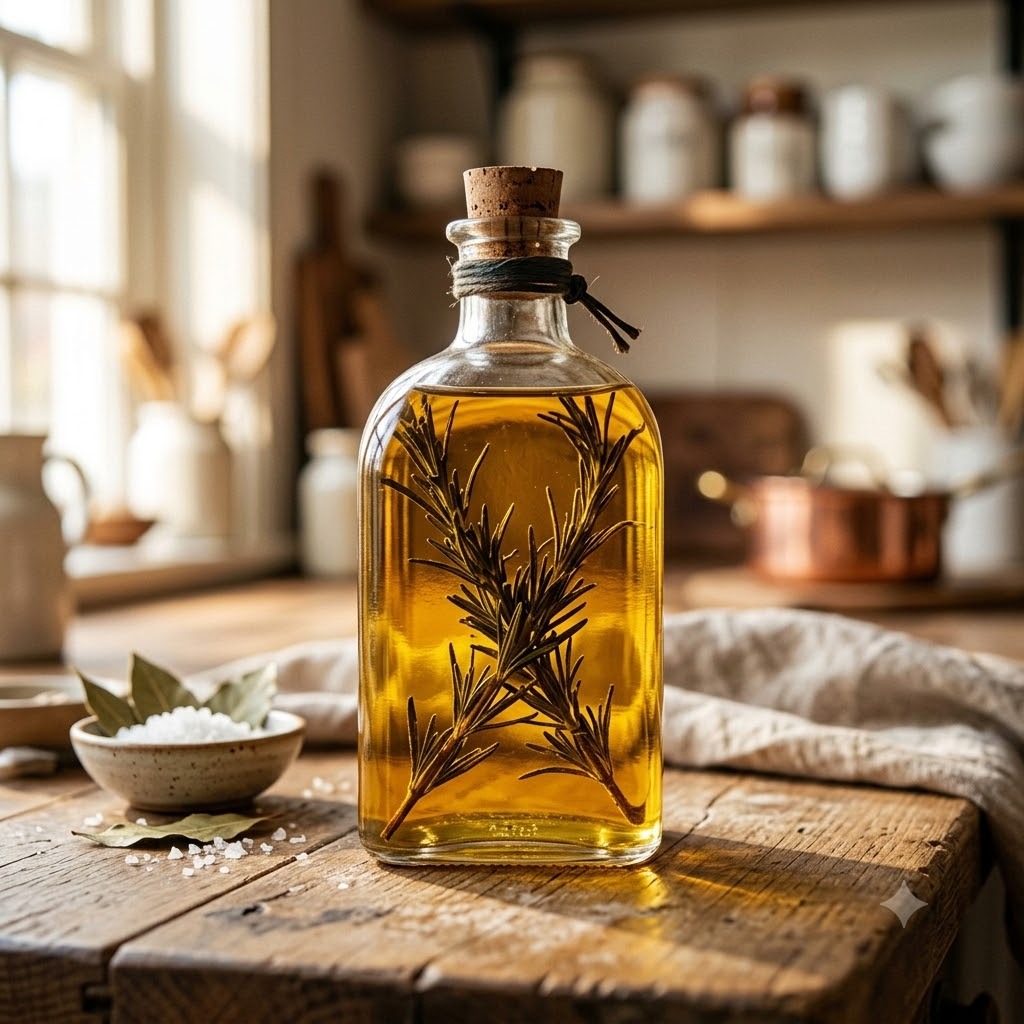
Rosemary Infused Oil ๐Ÿซ’
๐Ÿซ’

Rosemary Infused Oil

โฑ 15 min + 1-2 weeks ยท ๐Ÿถ About 250ml

Uses: Rosemary, thyme (dried)

A fragrant finishing oil for bread, roast vegetables and pasta. For safety, this method uses fully dried herbs and no garlic - see the note, because oil infusions need care.

Ingredients

  • 250ml good olive oil
  • 2-3 sprigs rosemary, thoroughly dried
  • 1 tsp dried thyme (optional)

Method

  1. Make sure the herbs are completely dry - any moisture will spoil the oil.
  2. Warm the oil gently in a pan until just barely warm, not hot, then turn off.
  3. Add the dried herbs and let them steep in the warm oil for an hour.
  4. Pour into a sterilised bottle with the herbs and store somewhere cool and dark for 1 to 2 weeks.
  5. Strain if you like, and use within a month.

โš ๏ธ Food safety: only ever infuse oil with fully DRIED herbs, never fresh herbs or fresh garlic. Fresh, low-acid ingredients in oil can grow botulism bacteria. If you want garlic oil, make it fresh, keep it in the fridge, and use it within 2-3 days.

Chilli Infused Oil ๐ŸŒถ๏ธ
๐ŸŒถ๏ธ

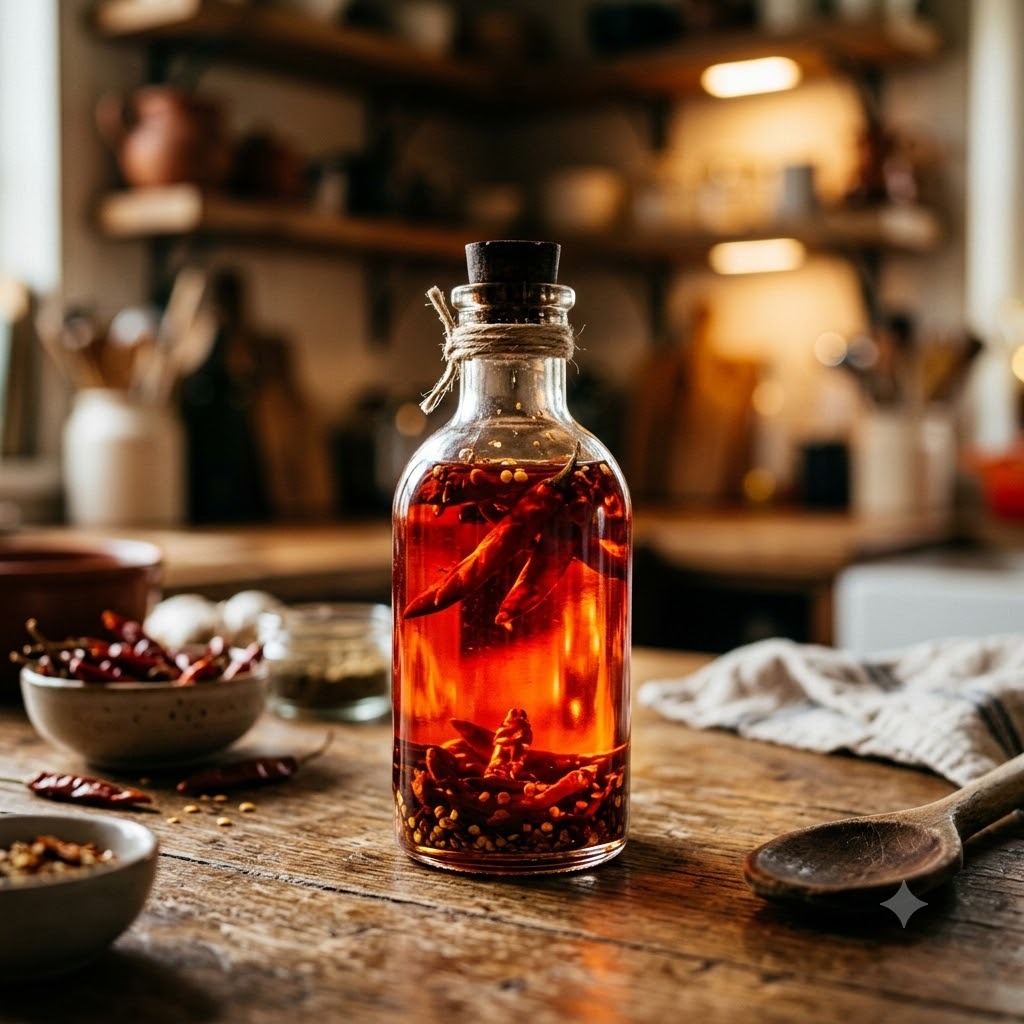
Chilli Infused Oil

โฑ 20 min + cooling ยท ๐Ÿถ About 250ml

Uses: Chillies (dried)

A warm, red-flecked oil for drizzling over pizza, noodles and eggs. Using dried chillies keeps it safe to store, and gently heating the oil draws out both colour and heat.

Ingredients

  • 250ml neutral oil (or olive)
  • 3-4 dried chillies, or 2 tbsp dried chilli flakes
  • 1 tsp Sichuan pepper (optional)

Method

  1. Put the dried chillies or flakes in a heatproof, sterilised jar.
  2. Heat the oil until it shimmers but is not smoking, around 120C, then turn off.
  3. Carefully pour the warm oil over the chillies - it will sizzle briefly.
  4. Let it cool completely, then seal.
  5. Leave a day for the flavour to develop, then use within a month. Store cool and dark.

โš ๏ธ Food safety: use only DRIED chillies for a keeping oil. Fresh chillies contain moisture and, like garlic, are a botulism risk in oil.

Tarragon Vinegar ๐Ÿงด
๐Ÿงด

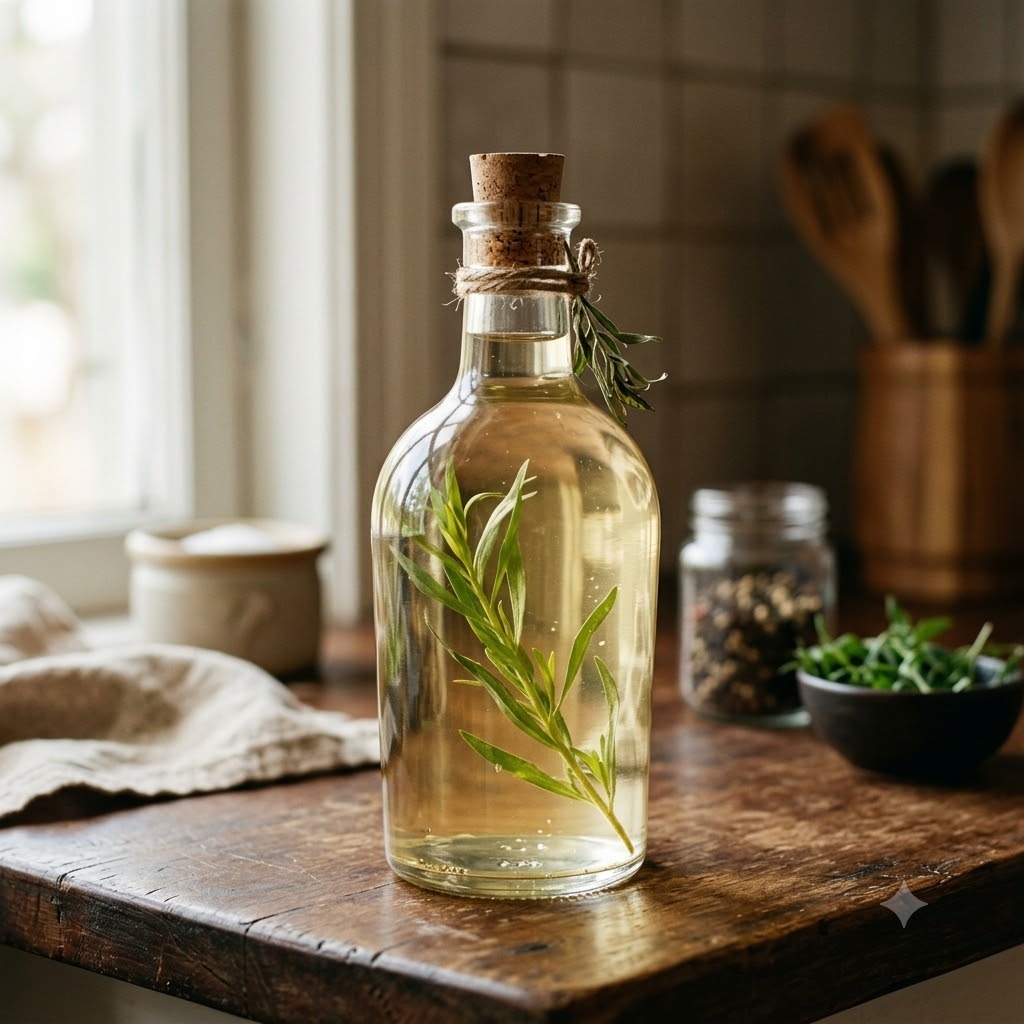
Tarragon Vinegar

โฑ 10 min + 2-3 weeks ยท ๐Ÿถ About 500ml

Uses: Tarragon

Herb vinegars are far safer and easier than oils - the acidity keeps everything fresh, so you can use fresh herbs. Tarragon vinegar is a classic for dressings and a good sauce bรฉarnaise.

Ingredients

  • 500ml white wine vinegar
  • A large handful of fresh tarragon
  • 1 strip lemon zest (optional)

Method

  1. Bruise the tarragon lightly and push it into a sterilised bottle.
  2. Warm the vinegar until hot but not boiling, then pour it over the herbs.
  3. Add the lemon zest if using, and seal.
  4. Steep somewhere cool and dark for 2 to 3 weeks, shaking now and then.
  5. Strain into a clean bottle. It keeps for a year or more.

Tip: Herb vinegars keep well because vinegar is acidic - a completely different and safer method to oil infusions.

Basil Vinegar ๐ŸŒฟ
๐ŸŒฟ

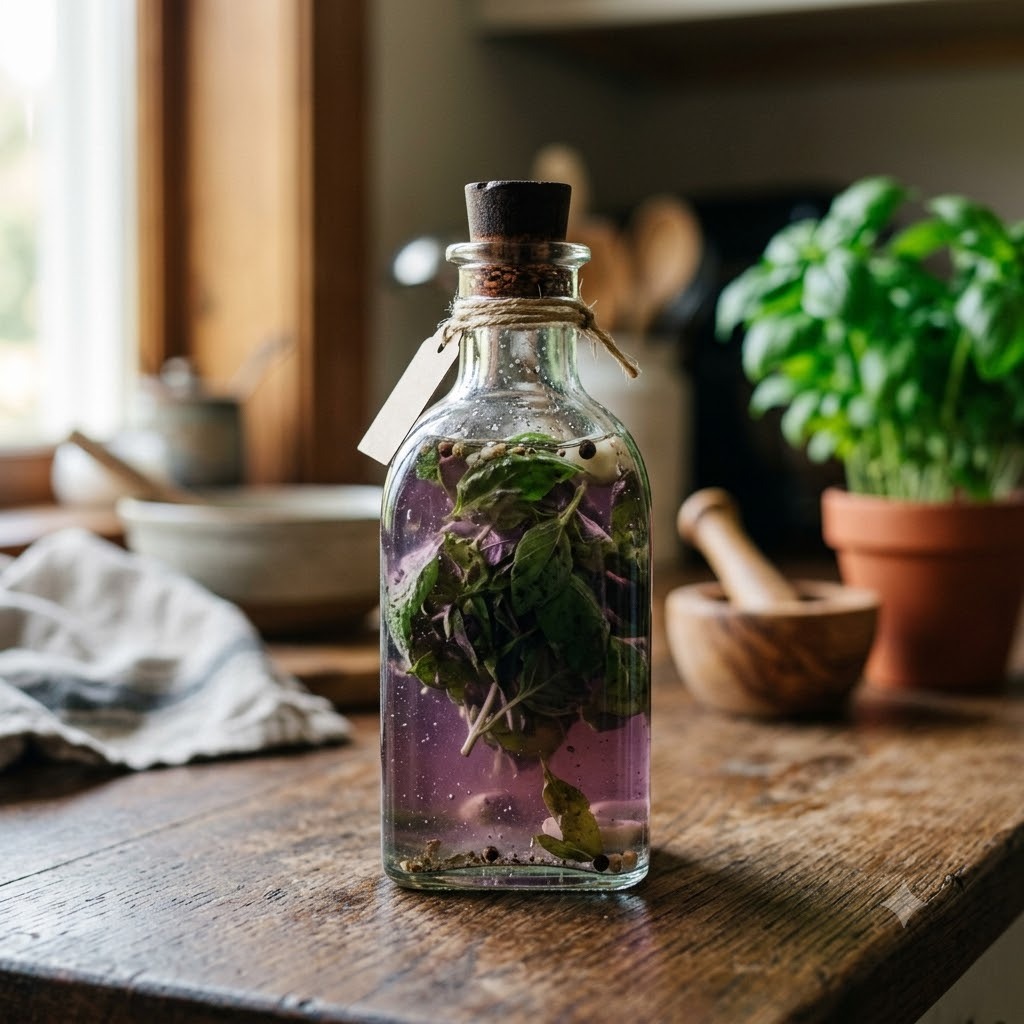
Basil Vinegar

โฑ 10 min + 2-3 weeks ยท ๐Ÿถ About 500ml

Uses: Basil

A vivid, aromatic vinegar that captures a basil glut - superb in tomato salads and dressings, and a good way to use plants before they bolt.

Ingredients

  • 500ml white wine vinegar
  • A large handful of fresh basil leaves
  • 1 clove garlic, lightly crushed (optional)

Method

  1. Bruise the basil leaves and pack them into a sterilised bottle.
  2. Warm the vinegar until hot, then pour it over the leaves.
  3. Seal and steep cool and dark for 2 to 3 weeks.
  4. Taste, and when it is fragrant enough, strain into a clean bottle.
  5. Use in dressings, marinades and tomato dishes within a year.

Tip: Garlic is safe here because vinegar is acidic - unlike in oil, where fresh garlic is a botulism risk.

โš ๏ธ

A word on safety

Two things matter most. First, oil infusions: only ever use fully dried herbs and chillies for an oil you plan to keep, never fresh herbs or fresh garlic, which can grow botulism bacteria in oil - if you want garlic oil, make it fresh, keep it refrigerated and use it within a couple of days. Vinegar infusions are acidic and much safer, so fresh herbs are fine there. Second, the liqueurs on this page contain alcohol and are for over-18s; please enjoy them responsibly. And only ever forage plants you can confidently identify.

More ways to preserve the harvest โ†’

Short of something to bottle? See what is ready to harvest or the crop picker.

Grow with us - weekly.

Every week, one plant or one problem, explained without the fluff. Unsubscribe whenever; we won't chase you.

๐ŸŒฑ
๐Ÿชด
๐ŸŒฟ