How to Grow Grapes: A Sunny Wall, a Sharp Pair of Secateurs, and Decades of Fruit
An honest guide to growing dessert and wine grapes on a warm wall or under glass, where the real skill is confident pruning and thinning rather than getting the vine to grow at all.
When to sow & harvest
A rough guide for a temperate climate - shift it to your own zone and last-frost date. Greenhouse growing stretches both windows earlier and later.
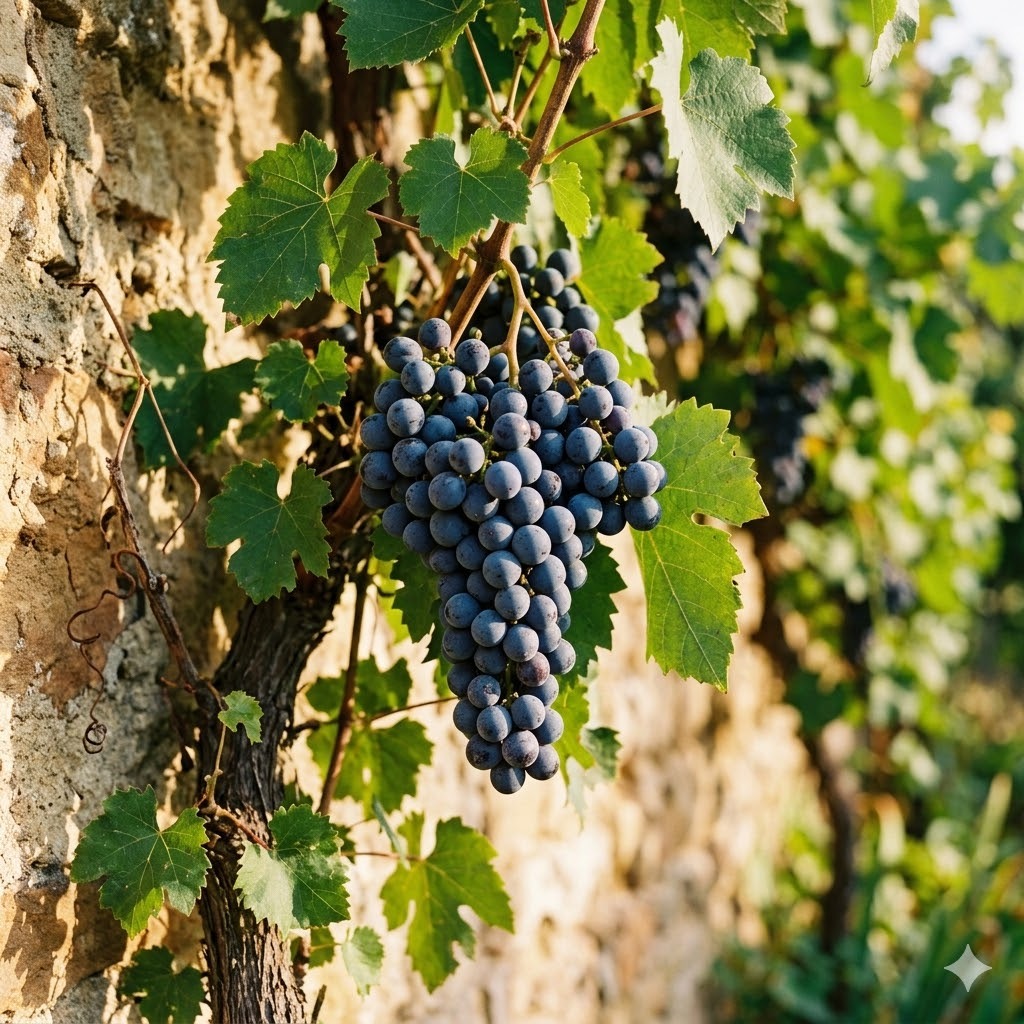
A grapevine is one of the great long-term rewards of a garden. Give it a sunny wall or a spot under glass and it will crop for decades, throwing out generous bunches year after year from a plant that costs you almost nothing once it is established. Grapes have a reputation for being difficult, but the honest truth is different: the vine grows all too easily. What trips people up is the pruning and thinning, because an unpruned vine puts its energy into a jungle of leaf and gives you very little fruit.
Get comfortable with the shears, though, and grapes are one of the most productive plants you can grow. This is a fruit that rewards a bit of nerve and a yearly routine far more than it rewards fussing.
Why grow grapes
The first reason is longevity. Most fruit you grow is an annual gamble or a shrub that needs replacing after a decade. A grapevine, once settled, is a fixture. It sends its roots deep, shrugs off dry spells better than almost anything, and keeps cropping long after the person who planted it has forgotten how nervous they were about it. Plant one and you are planting for the long haul.
The second reason is quality and variety you simply cannot buy. Shop grapes are bred for shipping and shelf life, picked before they are truly sweet, and limited to a handful of seedless types. Grow your own and you can pick bunches at their ripe, sun-warmed best, and choose from dessert grapes, wine grapes, and old-fashioned flavours that never reach a supermarket.
The third reason is that a vine earns its keep as a plant, not just a crop. Trained along a wall, over a pergola, or up the rafters of a greenhouse, it is handsome in leaf, dramatic in autumn colour, and useful as shade. Few edible plants do so much decorative work while still filling bowls with fruit.
Choosing a variety
The single most important choice is matching the grape to your setup and your climate, because this decides whether you get sweet fruit or sour disappointment.
Outdoor grapes suit cooler gardens and shorter summers. They are hardier and more forgiving, and the best of them will ripen against a warm wall even in a middling year. A greenhouse changes the game entirely: under glass you can grow tender dessert grapes and get sweet, full-flavoured fruit even when the summer outside is grey and cool. If you have the space under cover, a greenhouse vine is hard to beat for eating grapes.
Beyond the growing spot, think about what you want from the fruit:
- Dessert grapes - the sweet, large-berried types for eating fresh. These are the ones that benefit most from greenhouse warmth, though some ripen outdoors on a hot wall.
- Wine grapes - smaller, often sharper, bred for juice and fermenting. Many are tough and reliable outdoors and will crop in cooler conditions than a fussy dessert type.
- Seedless types - convenient for eating and increasingly available, though they often need more warmth and careful thinning to size up well.
Beginners in a cool garden do well to start with a hardy, disease-resistant outdoor variety against a sunny wall, and add a greenhouse dessert vine later if the space allows.
Planting and starting off
Buy a young vine from a nursery, ideally a two- or three-year-old plant that already has a framework of stems. Plant it while it is dormant, from late autumn to early spring, whenever the ground is not frozen or waterlogged.
Grapes are not fussy about soil, but they insist on good drainage and dislike sitting in wet ground. Dig in some grit or compost if your soil is heavy, and plant on a slight mound if drainage is doubtful. If you are planting against a wall or in a greenhouse border, set the roots a little away from the base of the wall where the ground is often dry, and lead the main stem back to it.
A greenhouse vine is often planted with its roots outside and the stem led in through a low gap or vent. This lets the roots draw on natural rainfall while the fruiting growth enjoys the warmth under glass. Whatever the setup, get a sturdy support system of horizontal wires in place from the start, because you will be training the vine along them for years to come.
Where to grow
A grapevine wants sun, warmth and shelter above all else. The classic home is a south- or west-facing wall, where the brick soaks up heat by day and radiates it back, nudging the fruit towards ripeness. A sheltered spot also protects the spring growth from wind and late frost, both of which can check a vine hard.
Under glass is the premium option for dessert grapes. A greenhouse or conservatory gives the steady warmth that sweet eating grapes need, and lets you crop reliably in a climate where an outdoor dessert vine would sulk. The trade-off is that a vine under glass needs good ventilation and attention to watering, and it will happily fill the whole roof space if you let it.
Grapes can also be grown over a pergola or arch, which looks wonderful and gives shade, though fruit up in the air is harder to thin and pick, and the crop is often more decorative than serious. Wherever you plant, avoid frost pockets and deep shade - a vine in a cold, dark corner will grow leaf and never ripen a decent bunch.
Day-to-day care
Once established, a grapevine is remarkably self-sufficient about water. Its deep roots find moisture that would defeat shallower plants, so an outdoor vine rarely needs watering except in a severe drought or in its first year. A vine in a pot or a dry greenhouse border is the exception and will need regular watering through the growing season. Feed lightly in spring with a balanced feed or well-rotted compost around the roots; overfeeding just encourages yet more leaf.
The heart of grape growing is training and pruning, and this is where the crop is won or lost. Prune when the vine is fully dormant in midwinter, never in spring, because a vine cut in growth will bleed sap heavily from the wounds. The two classic systems are worth knowing:
- Rod-and-spur (cordon) - you keep one or more permanent main stems, and each winter cut the side-shoots back hard to short spurs of one or two buds. Fruit comes from new growth off those spurs. This is the tidy, space-saving method often used under glass and against walls.
- Guyot - you keep no permanent fruiting arm; instead you select one or two young canes each winter, tie them down horizontally to fruit the following summer, and cut everything else away. It is the standard system for outdoor and wine grapes.
Through summer, keep the vine in check. Pinch out and tie in the new growth so light reaches the developing bunches, and remove crowding leaves and excess shoots. The aim in every season is the same: fewer, well-lit stems carrying good fruit, rather than a smothering mass of foliage.
Common problems and pests
The most common grape trouble by far is powdery mildew, a dusty white coating on leaves and fruit that thrives in stagnant, humid air. The best defence is airflow: open the greenhouse vents, thin the growth so the vine is not a solid wall of leaf, and avoid crowding. A vine grown open and airy is far less likely to suffer than one left as a tangle.
Grey mould can spoil ripening bunches in damp, still conditions, particularly where berries are packed tightly together - another reason thinning matters. Poor ventilation and wet weather are the usual triggers.
Birds and wasps are the pests to watch as the fruit sweetens. Both will happily strip ripe bunches, and wasps in particular home in on any berry that has split. Netting protects an outdoor crop, and in a greenhouse simply keeping vents screened and picking promptly helps. Under glass you may also meet red spider mite in hot, dry conditions and scale insects on the stems, both easier to manage if you catch them early rather than letting them build.
Harvesting
Grapes do not ripen further once picked, so patience is everything. Let the bunches hang until they are properly sweet, which comes well after they have merely changed colour. Taste a berry or two rather than trusting appearance alone - the sugars keep building in the sun for a good while after the fruit looks ready.
Before then, thinning the bunches is the secret to good grapes. When the young berries are still small, take small scissors and snip out a proportion of them, removing the crowded inner berries so the rest have room to swell. It feels brutal to cut away fruit you have waited for, but a thinned bunch gives you plump, evenly sized grapes rather than a cramped cluster of small ones that squash and rot against each other.
Cut whole bunches with secateurs, taking a short length of stem as a handle so you never have to touch and bruise the berries. Pick on a dry day if you can, and handle the fruit as little as possible.
Storing and preserving
Fresh dessert grapes keep for a couple of weeks in a cool place if the bunches are sound and dry, so there is no rush to deal with them all at once. Keep them cool, unwashed until you eat them, and discard any berries that split or spoil before they affect the rest.
For a real glut, the vine's history points the way:
- Juice - pressed grapes make excellent fresh juice, sweet and quite unlike anything bottled, though it does not keep long unless frozen or processed.
- Wine - the obvious use for wine grapes and the reason many people plant a vine in the first place. It is a project in itself, but a rewarding one.
- Drying into raisins - sweet seedless grapes can be dried slowly into raisins, concentrating their sweetness for the store cupboard.
- Jelly and preserves - grapes cook down into a fragrant jelly or are added to preserves, a good way to use fruit that is sound but not quite handsome enough for the bowl.
Freezing whole grapes works too, and frozen straight from the branch they make a surprisingly good cold snack, though they turn soft once thawed.
Is it worth it?
Yes, with your eyes open. A grapevine is a genuine long-term investment: it takes a few years to settle and reward you, and it asks for a yearly winter pruning routine that can feel daunting at first. This is not a plant to grow if you want fruit by the end of your first summer with no effort.
But few plants give back so much over so long. Once you have the pruning rhythm - hard in winter, thin and tidy in summer - a vine on a warm wall or under glass becomes one of the most reliable and generous things in the garden, cropping for decades from a single plant. If you have a sunny wall or a greenhouse going spare and the nerve to cut hard, a grapevine is well worth it.