How to Grow Marjoram: The Sweet, Gentle Cousin of Oregano
A beginner's guide to growing sweet marjoram, the warm and floral herb that lifts tomato dishes, and how to keep this tender plant going past summer.
When to sow & harvest
A rough guide for a temperate climate - shift it to your own zone and last-frost date. Greenhouse growing stretches both windows earlier and later.
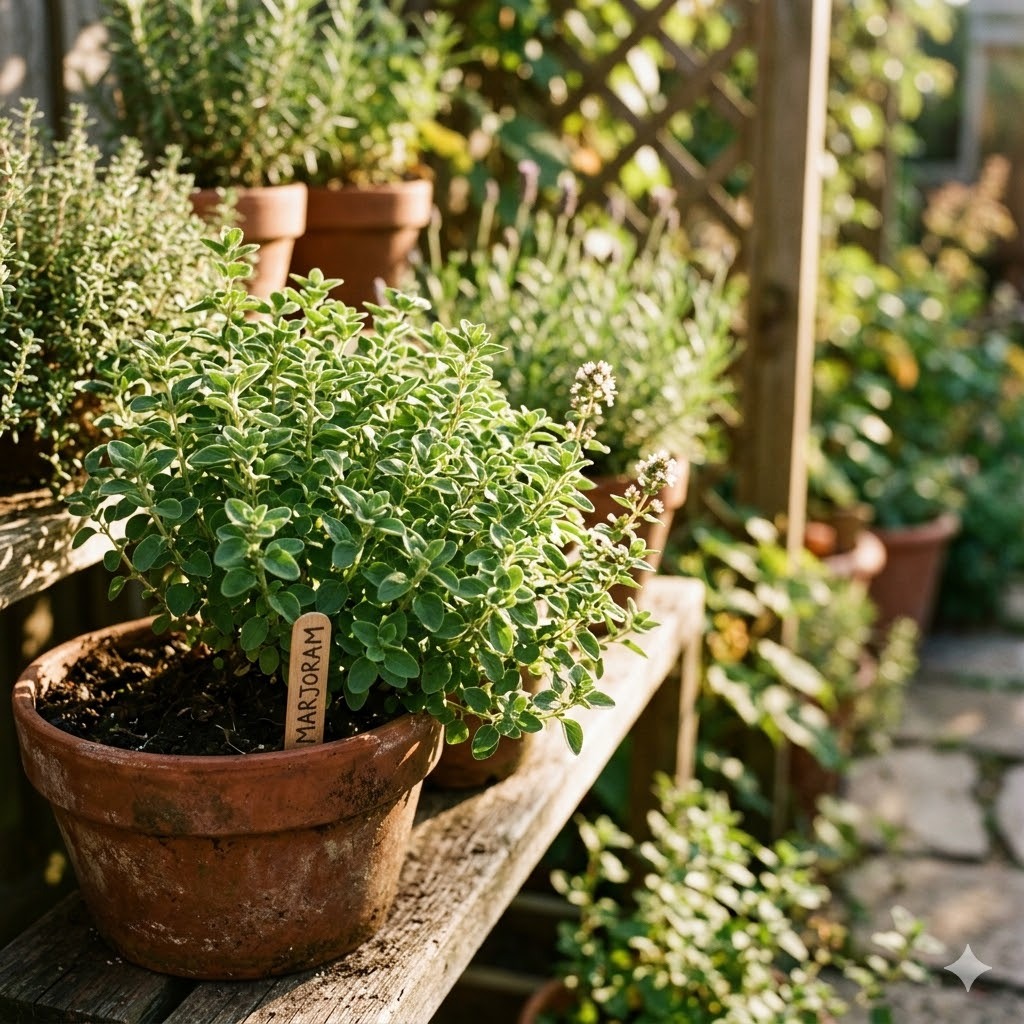
Marjoram is oregano with the volume turned down. Where oregano can be sharp and almost bitter, marjoram is warm, sweet and gently floral, which makes it a friendlier herb in the kitchen and a lovely thing to grow. It is easy to please through the summer, wanting much the same warm, sunny, well-drained spot the Mediterranean herbs all enjoy. The one thing to know is that the sweetest, best-flavoured type is tender, so it is really a summer herb unless you give it a little help through the cold.
Why grow marjoram
The honest reason to grow marjoram is flavour. Fresh sweet marjoram has a soft, warm, faintly floral taste that dried supermarket herbs simply do not carry, and it is different enough from its brasher cousin oregano to be worth a place of its own. If you cook with tomatoes at all - sauces, roasted vegetables, pizza, anything Mediterranean - a few leaves of fresh marjoram lift the dish in a way that is gentler and rounder than oregano.
It is also an easy, generous grower through the warm months. Given sun and a free-draining pot, a marjoram plant bushes up into a mass of small aromatic leaves and keeps giving all summer, and it looks pretty doing it, with tidy foliage and small pale flowers that bees appreciate. As herbs go it asks very little day to day.
The honest catch is hardiness. The sweetest, most fragrant marjoram is a tender plant that dislikes cold and wet, so in a cool climate it behaves more like a summer annual than a permanent fixture. That is not a problem so much as something to plan around - treat it as a warm-season herb, or keep a plant somewhere sheltered over winter, and you get the best of it without disappointment.
Choosing a variety
For the best flavour, the one to grow is sweet marjoram, sometimes called knotted marjoram for the little knot-like buds it forms before flowering. This is the type with the warm, sweet, floral taste that makes marjoram worth growing in the first place. It is also the tender one, which is the trade-off: the finest flavour comes with the least hardiness.
There are a couple of hardier relatives worth knowing, especially if you want something that survives the winter more reliably:
- Pot marjoram - a hardier, more perennial type that comes back year after year in many gardens. The flavour is a little stronger and less sweetly delicate than sweet marjoram, closer to oregano, but it is tougher and more forgiving of cold.
- Hardy marjoram - a catch-all for the sturdier, perennial forms in this group, again trading a touch of that sweet subtlety for the ability to shrug off winter.
Sweet marjoram and oregano are close cousins in the same family, which is why the names get muddled on labels. For the classic sweet, mellow flavour, sweet marjoram is the one to seek out; if you would rather have a plant that lasts through the cold, the pot or hardy types are the sensible choice.
Sowing and starting off
You can raise marjoram from seed or buy a young plant, and both are easy. Buying a small plant in spring is the quickest route and takes the guesswork out of getting the right type - just look for one clearly labelled sweet marjoram if that is the flavour you are after, and pot it on into a well-drained container.
To grow from seed, sow indoors in spring in a pot of moist seed compost. The seeds are tiny, so scatter them thinly on the surface and cover with only the barest dusting of compost or vermiculite, then keep them warm. Being a warm-climate herb, sweet marjoram likes a bit of gentle heat to germinate, so a windowsill or a warm room helps them along, and they come up as fine little seedlings over a couple of weeks.
Do not rush to plant marjoram outside. As a tender herb it will sulk or die in cold, so keep it under cover until the weather has genuinely warmed and any risk of frost has passed. Once seedlings are sturdy enough to handle, prick them out into their own pots, harden them off gradually, and only then move them to their summer home. There is no advantage in planting out early - a warm start later beats a cold one sooner.
Where to grow
Marjoram wants what the Mediterranean herbs all want: sun, warmth and sharp drainage. A sunny, sheltered spot is ideal, whether that is a pot on a warm patio, a place at the front of a sunny border, or a bright windowsill. Full sun brings out the best flavour, and shelter from cold wind keeps a tender plant happy.
A pot is often the smart choice, and not only because marjoram grows so contentedly in one. Growing it in a container means you can stand it in the sunniest spot in summer and, crucially, move it under cover when the cold comes - which is exactly what a tender herb needs. Use a free-draining, gritty compost and a pot with drainage holes, since wet, heavy soil is one of the few things that quickly does marjoram in.
If you plant it in the open ground, choose the warmest, best-drained bit you have and treat sweet marjoram as a summer resident rather than a permanent one. The hardier pot and hardy types are the ones to trust in a border over winter; sweet marjoram in cold, damp ground is unlikely to see spring.
Day-to-day care
Day to day, marjoram is an easy-going plant. Like most Mediterranean herbs it prefers to be kept on the drier side, so water it when the compost has begun to dry out rather than keeping it constantly damp, and never let a pot stand in a saucer of water. A plant in a small pot in full sun will need watering more often in a heatwave, but soggy is always worse than slightly dry.
It does not need much feeding. Rich soil and heavy feeding tend to produce soft, lush, floppy growth with weaker flavour, so ordinary, free-draining compost and a light hand suit it far better. Concentrate on sun and drainage, not pampering.
Regular picking keeps the plant bushy, just as pinching does for other herbs. Snipping the shoot tips encourages it to branch and stay compact and leafy rather than running up leggy. If you want to keep the leaves at their most fragrant, pinch out the flower buds as they form, since a plant putting its energy into flowering slows its leaf production and the stems start to toughen. Letting some flowers open is fine if you want them for the bees - just keep on top of the rest.
The main seasonal task is dealing with winter. Sweet marjoram will not survive cold, wet conditions outdoors, so as autumn approaches, bring a potted plant under cover - a cold greenhouse, a porch, or a bright windowsill indoors - keep it barely watered, and it may carry on gently through the cold months. In practice, many gardeners simply enjoy sweet marjoram as a summer herb and start fresh plants each spring, which is a perfectly honest approach.
Common problems and pests
Marjoram is not a fussy plant, and most of its troubles come from cold or wet rather than pests. Keep it warm, sunny and well-drained and you sidestep the majority of problems before they start.
Rot and collapse are the commonest way to lose a plant, and both come down to overwatering or heavy, waterlogged soil. A marjoram sitting in cold, wet compost - especially over winter - will rot at the base and keel over. The fix is prevention: gritty, free-draining compost, careful watering, and no standing water.
Cold damage is the other big one, and it is really the same story as hardiness. A tender sweet marjoram caught by frost or left out through a cold, damp spell will blacken and die back. This is not a disease to cure but a condition to avoid, by keeping the plant warm and bringing it under cover in good time.
As for actual pests, marjoram is largely left alone. Under glass or on a windowsill you may occasionally see aphids clustering on soft new growth, which you can rinse or wipe off before they build up, and outdoors slugs may nibble young plants in spring. Neither is usually a serious threat to a healthy, well-grown plant.
Harvesting
Harvest marjoram by snipping the leafy shoot tips through the growing season, taking the soft upper growth rather than the tougher, older stems lower down. Cutting from the top encourages the plant to branch and stay bushy, so harvesting and shaping happen together, and a plant picked regularly stays fuller and more productive than one left to its own devices.
The flavour is at its best just before the plant flowers, when the leaves are most aromatic, so that is a good moment to pick generously. Pick little and often once the plant is growing strongly, and use the leaves fresh where you can, adding them near the end of cooking so the gentle, floral flavour is not driven off by long heat.
If you want to preserve a good quantity, cutting whole stems just as the flower buds form gives you the most fragrant harvest for drying. Otherwise, take from the tips as you cook and let the plant keep growing through the warm months.
Storing and preserving
Fresh marjoram keeps for only a few days once picked, wilting in the fridge much like other soft herbs, so it is best used promptly or preserved. For short-term storage, wrap a sprig loosely in a damp cloth in the fridge and use it within a couple of days.
Marjoram is unusual among the tender herbs in that it dries genuinely well, which makes it worth preserving in more than one way:
- Dried - unlike basil, sweet marjoram holds much of its flavour when dried. Cut whole stems, hang them in small bunches somewhere warm, airy and out of direct sun, and once crisp, strip and store the leaves in a jar. This is a reliable way to bank a summer's growth for winter cooking.
- Frozen - chop the leaves and freeze them loose or in ice-cube trays topped with a little water, ready to drop into sauces and stews.
Because the drying route works so well, marjoram is one of the herbs where preserving really does capture the summer flavour, rather than leaving you with a pale imitation. A jar of your own dried marjoram is a genuinely useful thing to have on the shelf through the cold months.
Is it worth it?
Yes, as long as you take it for what it is - a warm-season herb with a gentle, distinctive flavour rather than a hardy, plant-and-forget perennial. Give sweet marjoram sun, shelter and free-draining compost, keep it on the dry side, and enjoy it through the summer, and it is an easy, rewarding plant that lifts tomato dishes in a way its sharper cousin oregano cannot quite match.
The only real decision is what to do come winter, and there is no wrong answer: bring a pot under cover and coax it through the cold, or simply treat it as a summer herb and start fresh each spring. Either way it is a low-effort, beginner-friendly herb, and one that - unusually - dries well enough to keep giving long after the growing season ends. For the flavour it brings to the kitchen, it earns its place easily.