How to Grow Rosemary: The Fragrant Evergreen That Almost Looks After Itself
A beginner's guide to growing rosemary into a handsome, aromatic shrub in a sunny sheltered spot, from planting for good drainage to picking sprigs all year.
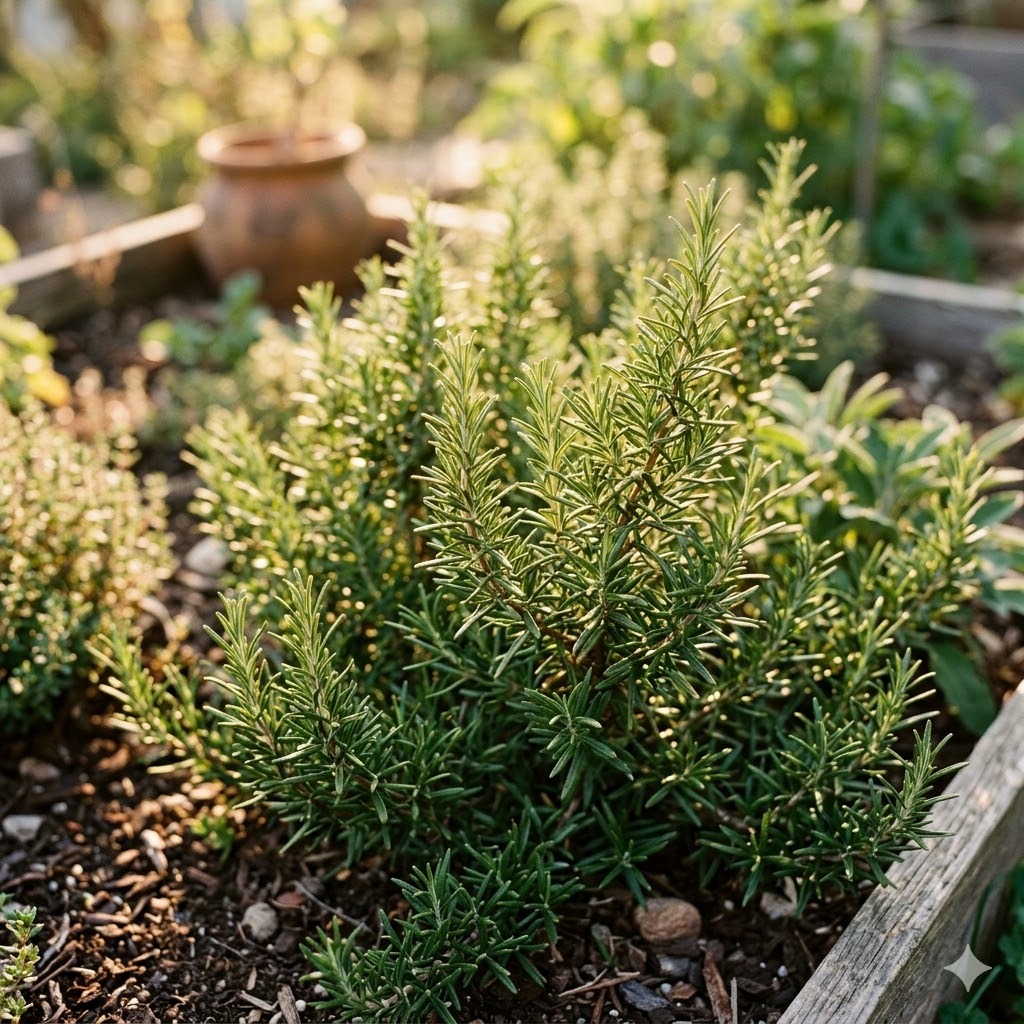
Rosemary is one of those plants that makes a garden feel established. Give it a warm, sunny corner and a few years and it grows from a small pot plant into a solid, handsome evergreen bush, covered in fragrant needle leaves and, in spring, a haze of little blue flowers the bees adore. Brush against it and the scent alone is worth the space. Best of all, once it is settled it asks for almost nothing - no annual sowing, very little watering, and only the occasional trim to keep it in shape.
There is one thing worth saying straight away, because it is where most rosemary is lost. Rosemary is far tougher than people fear, but it dies easily from one particular cause: cold, wet roots over winter. It is not the frost that kills it so much as sitting in soggy ground while it is cold. Get the drainage right and give it some shelter, and rosemary is close to a plant-and-forget shrub.
Why grow rosemary
The honest reason to grow rosemary is that it does so much for so little. It is a perennial evergreen shrub, so you plant it once and it stays, growing steadily into an attractive feature that looks good every day of the year - not just when it is in leaf, but through winter when the border is otherwise bare. Few edible plants are also this ornamental.
In the kitchen it is invaluable. Its strong, resinous, piney flavour stands up to roasting and long cooking, so it is the classic partner to lamb, roast potatoes, focaccia and slow-cooked dishes. Because it is evergreen, you can pick a fresh sprig in the depths of winter, which is when hearty rosemary-scented cooking is most welcome. Dried rosemary is fine, but fresh off the bush is far better, and you always have it to hand.
It is also a genuinely low-effort plant. Once established it shrugs off drought, needs no feeding to speak of, and is untroubled by most pests. For a beginner who wants a permanent, good-looking, useful plant rather than a fiddly annual crop, rosemary is an easy win - provided you plant it somewhere it will not drown.
Choosing a variety
For most gardens, an upright rosemary is the one to grow. These are the classic bushy types that grow into a rounded shrub a metre or so tall, giving you plenty of sprigs to pick and a solid presence in the border. A named upright variety such as one sold for its hardiness or its rich flower colour is a dependable choice, and any good garden-centre plant labelled simply as common rosemary will do the job.
The other broad group is the prostrate or trailing types. Instead of standing up, these spread low and tumble downwards, which makes them lovely spilling over the edge of a raised bed, a wall or a large pot. They are just as fragrant and just as usable in the kitchen, but they tend to be a little less hardy than the upright kinds, so in a cold garden they are safest given a very sheltered, well-drained spot or grown in a container that can be moved.
Beginners in most climates are best starting with a hardy upright variety, which gives the best combination of toughness, size and a good crop of sprigs. Add a trailing type later if you want something to soften a wall or a big container.
Planting and starting off
The simplest way to start is to buy a young plant. Rosemary can be grown from seed, but it is slow, unreliable and frustrating, so almost everyone begins with a pot-grown plant or a rooted cutting instead. If you have access to an established plant, taking a few cuttings in summer is easy and free, and it is also the best way to keep a supply of fresh young plants coming along to replace older ones in time.
Wherever you plant it, drainage is everything. Choose a sunny, sheltered position and, if your soil is at all heavy or damp, dig in plenty of grit or sharp sand to open it up. Plant it slightly proud rather than in a dip, so water drains away from the base rather than pooling around it. Do not plant rosemary in a low, wet corner or in heavy clay that stays soggy in winter - that is the single most common way it is killed.
Water it in well when you plant it, and keep an eye on it through its first summer while the roots establish. After that, it can largely fend for itself. If your garden soil is heavy and wet, growing rosemary in a large container of gritty, free-draining compost is a reliable alternative, and it lets you shift the pot to a sheltered spot for winter.
Where to grow
Rosemary wants three things from its position: full sun, free-draining soil, and shelter from cold, wet winds. A warm spot against a south-facing wall is close to ideal, as the wall holds warmth, keeps off the worst of the weather, and reflects light and heat back onto the plant. The more sun and the better the drainage, the happier and hardier it will be.
It suits a permanent place in a border or a herb bed, where over a few years it becomes a substantial evergreen shrub, so give it room from the start rather than crowding it. Its year-round leaf and spring flowers make it a handsome structural plant, not just a crop. Trailing types earn their place tumbling over the edge of a raised bed or a wall.
Containers are a good option, especially where the ground is heavy or the winters are wet, because a pot gives you full control over drainage and lets you move the plant to shelter. Always use a gritty, free-draining compost, choose a pot with drainage holes, and stand it up on feet or bricks so water runs straight out. A waterlogged pot in a cold winter will rot the roots just as surely as boggy ground will.
Day-to-day care
Rosemary is one of the most self-sufficient plants you can grow, and the main skill is knowing when to leave it alone. Once it is established, it needs very little watering - it is a Mediterranean plant that copes easily with dry spells, and far more rosemary is lost to overwatering than to drought. Water new plants through their first summer, then only water in genuinely prolonged dry weather, and let potted plants dry out somewhat between waterings.
It needs no rich feeding. A light annual scattering of a general fertiliser on a potted plant is plenty; in the ground it usually needs nothing at all. Rich soil and heavy feeding push soft, sappy growth that is more prone to cold damage and less aromatic.
The one regular job worth doing is trimming to keep the plant in good shape. Rosemary can become leggy, sparse and woody with age, so a light trim after it flowers in spring keeps it bushy and compact. Cut back the soft, leafy growth to shape it, but avoid cutting hard back into the bare old wood, as rosemary is slow and reluctant to resprout from thick woody stems. Little and regular is the rule. Even with good care, most rosemary bushes get tired and gappy after several years, so it is worth taking cuttings now and then to have young replacements ready.
Common problems and pests
Rosemary is refreshingly untroubled by pests, and its aromatic oils deter most of the insects that bother softer herbs. Almost every serious problem traces back to one cause: wet roots in cold weather.
Sudden death over winter is the classic loss, and it is usually blamed on frost when the real culprit is waterlogged soil. A plant that turns grey, dry and brittle after winter, or blackens and collapses at the base, has generally been rotted by cold, soggy ground rather than simply frozen. The cure is prevention through sun, shelter and above all sharp drainage, not anything you can spray on afterwards.
Going woody and bare in the centre is a natural feature of an ageing plant rather than a disease. Regular trimming slows it, but eventually the honest answer is to replace an old, gappy bush with a fresh young plant grown from a cutting.
Under glass or in very still, dry air, watch for the odd outbreak of rosemary beetle - a small, striped metallic beetle that chews the leaves - or clusters of aphids on soft new growth. Both are usually easy to deal with by picking off the beetles by hand or rubbing off the aphids before they build up. Outdoors in an open, sunny spot, pests are rarely a serious concern.
Harvesting
Harvesting rosemary could not be simpler, and because it is evergreen you can do it all year round. Just snip off whole sprigs with scissors or secateurs, taking soft green growth rather than the hard old wood, and pick from around the plant so it keeps an even shape. Regular light picking doubles as gentle pruning and keeps the bush tidy and productive.
A young, well-established plant will give you far more than you can use, so pick freely whenever a recipe calls for it. To strip the needles from a stem, run your finger and thumb down it against the direction of growth. Take care not to strip a plant too hard on one side or to cut back into the bare wood, as that can leave a lopsided, slow-to-recover bush. Otherwise, rosemary is about as forgiving to harvest as any plant in the garden.
Storing and preserving
Rosemary keeps well, which is another point in its favour, though because it is evergreen you can usually just pick it fresh whenever you need it. When you do want to store some, it dries beautifully. Cut whole sprigs, tie them into small bundles, and hang them somewhere warm, dry and airy out of direct sun until crisp. Then strip the needles and store them in a jar out of the light, where they will hold their flavour for months.
Freezing is just as easy. Freeze whole sprigs in a bag, or strip and chop the leaves, pack them into ice-cube trays, top with a little water or oil, and freeze them into ready portions for the pan.
Rosemary is also excellent in flavoured oils and butters. Warm a few sprigs gently in oil and strain it for a fragrant rosemary oil, or work finely chopped needles into softened butter for a herb butter that freezes well and is superb on lamb, potatoes or bread. Because the flavour is strong, a little goes a long way, so even a modest bush keeps a kitchen well supplied.
Is it worth it?
Yes, and for a beginner it is one of the most rewarding plants you can put in the ground. Rosemary is a plant-once, keep-forever shrub: attractive every day of the year, fragrant, full of flowers for the bees in spring, and always ready to give you a fresh sprig for the pot, even in midwinter. The effort it asks for - the odd trim, very little watering, no fuss - is tiny compared with what you get back.
The one thing you must get right is drainage and shelter. Plant it in a soggy, shady, wind-blasted corner and you will lose it over winter, and that is where beginners get caught out. But give it a sunny, sheltered spot with soil that drains freely, and rosemary quietly becomes one of the best-value plants in the whole garden.