How to Grow Sage: The Handsome Grey-Leaved Herb That Shrugs Off Drought
A beginner's guide to growing sage in a sunny, well-drained spot, from planting through picking soft grey leaves for stuffing and knowing when to replace a leggy old plant.
When to sow & harvest
A rough guide for a temperate climate - shift it to your own zone and last-frost date. Greenhouse growing stretches both windows earlier and later.
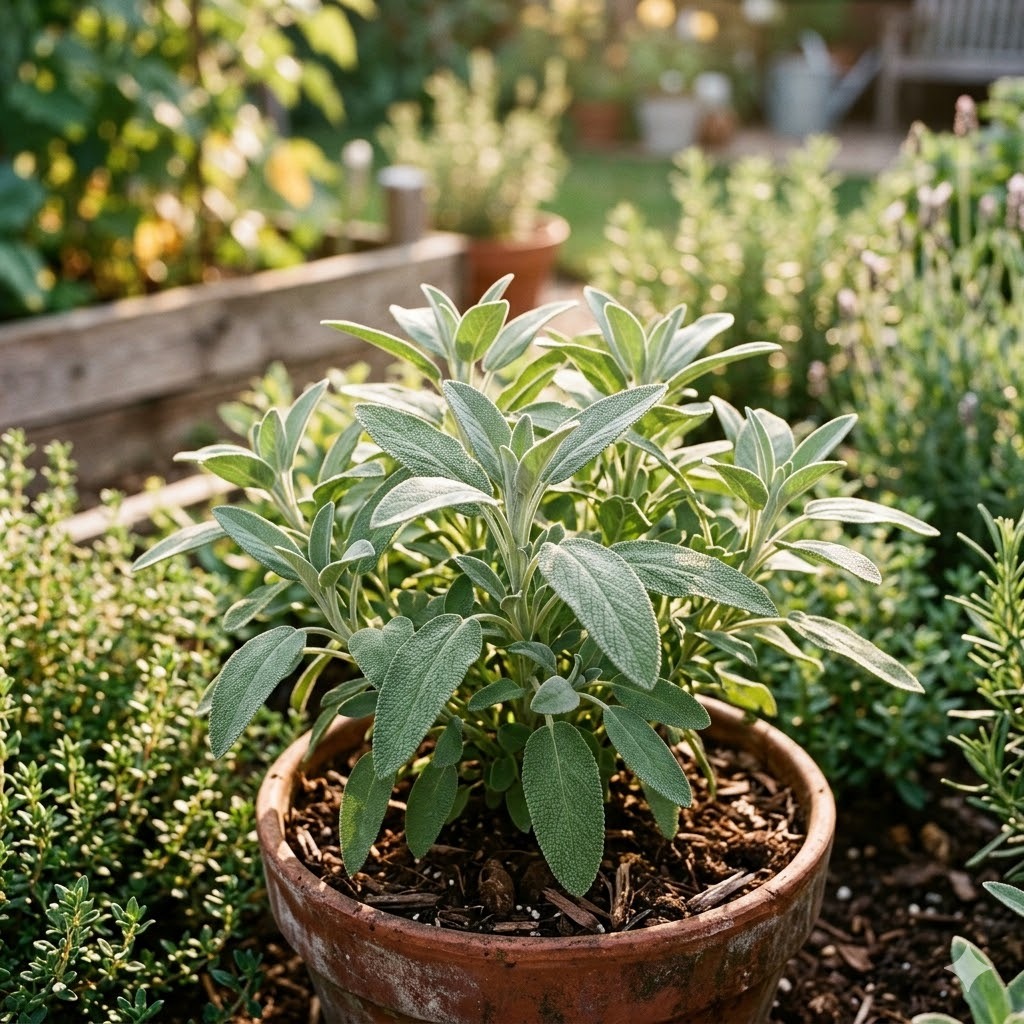
Sage is one of those herbs that looks good long before you ever pick it. Its soft, grey-green leaves have a slightly felted, velvety texture, and a well-grown plant makes a low, handsome mound that holds its own in a border all summer. It is tough, too - a drought-hardy Mediterranean plant that copes happily with heat, poor soil and a dry spell that would flatten a softer herb. Give it sun and good drainage and it more or less looks after itself.
Sage does have one habit worth understanding from the outset. It is a perennial, so it comes back every year, but individual plants tend to grow leggy and woody after a few seasons, going bare and sprawling in the middle. The trick is not to fight this too hard but to accept it and keep fresh young plants coming along, replacing tired ones every few years. Do that, and you will always have a good-looking, productive plant to pick from.
Why grow sage
The honest reason to grow sage is that it is easy, good-looking and genuinely useful, all at once. As a perennial it saves you the yearly bother of sowing - plant it once and it returns each spring, quickly forming a solid, attractive mound of foliage that earns its place in the garden even when you are not cooking with it.
In the kitchen it has a distinctive, savoury, slightly peppery flavour that suits rich, hearty food. It is the classic herb for stuffing, for cooking with pork and sausages, and for those simple sage-and-butter sauces tossed through pasta or spooned over squash. A few leaves go a long way, and the flavour stands up well to cooking, so it is one of the more practical herbs to have permanently on hand.
It is also drought-tough and low-maintenance, which makes it forgiving for beginners. Sage does not want pampering. It wants sun, sharp drainage and to be left largely alone, and in return it asks very little of you. The only real ongoing effort is keeping young plants coming along to replace the old ones as they get leggy, and even that is easy.
Choosing a variety
For cooking, common sage - also sold as garden sage - is the one to grow. It is the classic grey-green kind with the strongest flavour and the best hardiness, and it is what most recipes mean when they simply say "sage". If you only grow one, grow this.
Beyond the workhorse, there are several attractive types worth knowing:
- Purple sage - the same easy habit and flavour as common sage but with dusky purple-tinged leaves, so it does double duty as an ornamental. It is a lovely thing to have at the front of a border.
- Tricolor sage - leaves splashed with cream, pink and green, grown mainly for its looks. It is a little less hardy and less vigorous than plain green sage, so give it a warm, sheltered spot.
- Pineapple sage - a tender type with a genuine pineapple scent and bright red flowers late in the season. It is a treat, but it is not frost-hardy, so it needs winter protection or growing in a pot brought under cover, and it is more of a novelty than a kitchen staple.
Beginners are best starting with common or purple sage, both of which are hardy, well-flavoured and easy. Add the more decorative or tender types once you have the basics working.
Planting and starting off
The easiest way to start is with a young plant from a garden centre. Sage can be grown from seed, but it is slow to reach a usable size, so a bought plant gets you picking far sooner. If you or a neighbour already have an established plant, sage is also easy to propagate from summer cuttings, which is the best way to keep a steady supply of fresh young plants to replace older ones down the line.
Wherever you plant it, drainage and sun are what matter. Choose a bright, open spot in full sun, and if your soil is heavy or damp, work in plenty of grit or sharp sand first to open it up. Do not enrich the soil heavily - sage grown too rich becomes soft, floppy and short-lived. Plant it slightly proud rather than in a dip so water drains away from the base, firm it in, and water it once to settle it.
Give each plant room, because a happy sage spreads outward into a low mound that can reach a good width over a couple of seasons. If your garden soil is heavy clay that stays wet, growing sage in a large container of gritty, free-draining compost is a reliable alternative and keeps the plant neat and within reach of the kitchen.
Where to grow
Sage wants a hot, sunny, open position with soil that drains freely. Full sun is essential - in shade it grows thin, sprawling and weak, and the flavour suffers. A sunny border, a raised bed, or a warm spot near a path all suit it well, and its soft grey foliage makes a good foil for greener, brighter plants around it.
It is a good candidate for the front or middle of a mixed border, where its mounded shape and grey leaves look attractive from spring right through summer. It also works well as an informal edging along a sunny bed. The one thing it will not forgive is cold, wet ground, so avoid any low, shady corner where water lingers.
Containers suit sage well, particularly if your soil is heavy, because a pot gives you full control over drainage. Use a gritty, free-draining compost, choose a pot with holes in the bottom, and stand it up on feet or bricks so water runs straight through, especially over winter. A potted sage left standing in a saucer of water through a cold, wet spell will rot as surely as one planted in a bog.
Day-to-day care
Sage is a low-effort plant, and the main skill is not overdoing the care. Once established it is drought-tough and needs very little watering - natural rainfall usually suffices, and it copes easily with dry spells. Water new plants through their first summer while they root in, then water only in prolonged drought, and let potted plants dry out somewhat between waterings. As with most Mediterranean herbs, far more sage is lost to overwatering than to thirst.
It needs little or no feeding. Rich soil and heavy feeding push soft, sappy growth that flops, lacks flavour and is more prone to rot, so keep it lean. In the ground it usually needs nothing; a potted plant is happy with a light annual scattering of general fertiliser at most.
The job that matters most is keeping the plant compact and, in time, replacing it. A light trim after flowering removes the spent flower stems and keeps the plant bushy rather than sprawling, but avoid cutting hard back into the bare old wood, which is slow to resprout. However well you prune, sage plants naturally become leggy, woody and gappy after three or four years. Rather than nursing an old plant along, the honest approach is to take a few cuttings, grow on fresh young plants, and replace the tired one. A rolling supply of young plants keeps your sage handsome and productive year after year.
Common problems and pests
Sage is largely trouble-free, and its aromatic, slightly bitter leaves put off most of the pests that trouble softer herbs. As with thyme and rosemary, nearly every serious problem comes back to too much water.
Rot and collapse are the classic killers, driven by wet, heavy or poorly drained soil, especially over a cold, damp winter. A plant that goes black and soft at the base, or simply keels over, has usually been sitting in waterlogged ground. There is no cure once it takes hold - the answer is prevention through sun, grit and sharp drainage rather than anything you can treat it with.
Going leggy and woody is not a disease but the plant's natural way of ageing, and it is the single most common reason a sage stops looking good. Regular trimming slows it, but the real remedy is simply to replace an old plant with a fresh cutting-grown one every few years.
In still, humid conditions or on soft, overfed plants you may occasionally see a little powdery mildew as a whitish film on the leaves, or the odd cluster of aphids or a capsid bug nibbling the new growth. Good airflow, full sun and lean growing conditions prevent most of it, and any small outbreak of pests can usually be rubbed off before it builds up.
Harvesting
Harvesting sage is simple and can be done through most of the year, since the plant keeps its leaves in all but the harshest weather. Pick individual leaves or snip whole soft sprigs with scissors, taking them from around the plant so it keeps an even shape rather than stripping one side bare. Light, regular picking helps keep the plant bushy, so harvesting doubles as gentle pruning.
The leaves have the best flavour just before the plant flowers, but for everyday cooking you can pick whenever you need a few. Take the soft, healthy growth rather than the tough old woody stems, and avoid picking too heavily from a young plant in its first season while it is still establishing. Once a plant is settled, it will give you far more than you are ever likely to use, so pick freely and let the regular harvest keep it in shape.
Storing and preserving
Sage stores well, which makes a productive plant even more useful. It dries successfully - better than soft herbs, if not quite as reliably as thyme. Cut whole sprigs, tie them into small bundles, and hang them somewhere warm, dry and airy out of direct sun until crisp, then strip the leaves and store them in a jar away from the light. Dried sage keeps its savoury flavour for months and is a genuine store-cupboard standby.
Freezing works nicely too. You can freeze whole leaves in a bag, or chop them, pack them into ice-cube trays, top with a little water or oil, and freeze them into ready portions for stuffings and sauces.
Sage is especially good in flavoured butters and oils. Fried briefly in butter, the leaves turn crisp and nutty and make an instant sauce for pasta or squash, and that sage butter freezes well. You can also work chopped leaves into softened butter for a herb butter to keep in the freezer, or warm a few leaves gently in oil for a fragrant sage oil. Because the flavour is strong, a small amount goes a long way, so even one plant keeps a kitchen supplied.
Is it worth it?
Yes, and it is an easy recommendation for beginners. Sage is a handsome, drought-tough perennial that asks for very little - a sunny spot, sharp drainage, hardly any watering and no fussing - and gives back soft grey leaves you can pick for much of the year, along with a good-looking mound of foliage that earns its place in the border on looks alone.
The only thing to accept, rather than fight, is that plants get leggy and woody with age. If you keep a few young cuttings coming along and replace tired plants every few years, you will always have sage at its best. Plant it in a soggy, shady corner and it will rot, but give it sun and free-draining soil and it becomes one of the most reliable, good-looking and useful plants in the garden.