Cactus Care for Beginners
A clear, no-nonsense beginner guide to cactus care - exactly how much light, how rarely to water, what soil to use, and the five mistakes that kill most beginner cacti.
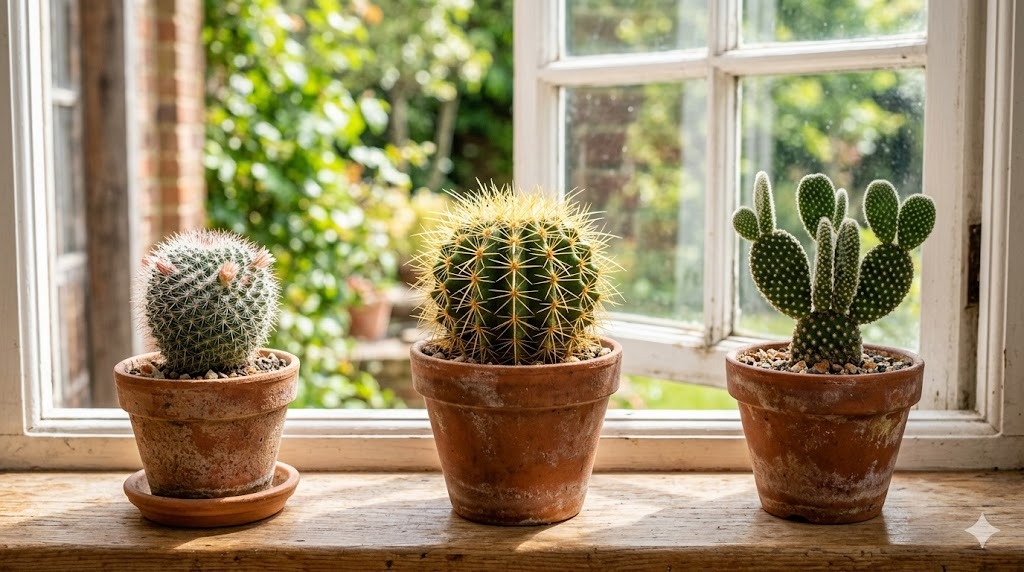
The cactus has a reputation it doesn’t deserve. People buy one expecting an indestructible houseplant - water it once and forget about it - and a few months later they’re holding a soft, browning stub. The cactus didn’t fail. The owner did everything modern houseplant culture taught them, which happens to be the opposite of what a cactus needs.
A healthy indoor cactus is genuinely low-maintenance once you understand it. It wants intense light, almost no water in winter, fast-draining soil, and to be left alone most of the year. That’s it. There’s no misting, no fertilising schedule to obsess over, no humidity tray. The problem is that almost every instinct that keeps a leafy houseplant alive - water when the soil dries, give it indirect light, repot annually - actively harms a cactus.
This guide unpacks the four things that matter (light, water, soil, temperature) and the five mistakes responsible for the majority of beginner cactus deaths.
Light: More Than You Think
Most cacti are full-sun desert plants. Indoors, they want the brightest window you have - a south-facing sill is ideal in the Northern Hemisphere, north-facing in the Southern. A bright bathroom or a corner two metres from a window is not enough.
Signs your cactus has too little light:
- It stretches upward into a thin, pale “neck” (this is etiolation, and it’s permanent).
- New growth is softer and paler than older parts.
- It hasn’t flowered after years of care.
If you can’t provide a direct-sun window, add a grow light. A small LED grow light on a timer (10-12 hours/day) is enough to keep most desert cacti compact and healthy.
Watering: Less Than Anything Else You Own
This is where almost everyone fails. The “soak when the soil is dry” rule that works for most houseplants is too generous for a cactus.
Spring and summer (active growth): Water thoroughly only when the soil is completely dry through and through - usually every 2-4 weeks indoors. Soak the pot until water runs out the drainage hole, then empty the saucer.
Autumn and winter (dormancy): Water roughly once a month, or even less. Some keepers stop watering entirely from November to February. A cool, dry winter is what triggers spring flowering.
Signs of overwatering (most common):
- Yellowing, then browning, then mushy black at the base.
- The cactus feels soft or wobbles when nudged.
- Tiny black or brown spots spreading on the surface.
By the time you see these, root rot is usually advanced. Unpot the plant, cut off any mushy roots and any rotting tissue (sterilise your knife), let the cut callus over for a few days, and repot in dry soil.
Soil: Drainage Is Everything
Standard houseplant potting mix holds far too much water for a cactus. You need a fast-draining gritty mix.
A reliable DIY recipe:
- 2 parts cactus/succulent potting mix
- 1 part coarse sand (horticultural, not builder’s)
- 1 part perlite or pumice
Or buy a quality bagged cactus mix and add an extra handful of perlite per pot. The mix should feel gritty and pour easily, not clump like garden soil. Our soil mix calculator helps you work out the right proportions for a pot of any size.
Pots: terracotta is ideal because the porous clay wicks moisture out of the soil. Plastic and glazed ceramic hold water longer - usable, but you must water less. Drainage holes are non-negotiable.
Temperature & Dormancy
Indoor cacti tolerate room temperature year-round, but a cool winter (10-15°C / 50-59°F) significantly improves spring flowering. If you can’t move them somewhere cool, simply withholding water in winter gives a similar (smaller) effect.
Avoid sudden temperature swings - a cactus next to a radiator or in front of an AC vent will suffer.
The Five Mistakes That Kill Most Beginner Cacti
- Watering on a schedule. “Once a week” murders cacti. Water based on the soil being bone dry - and in winter, mostly not at all.
- Standard potting soil. Regular mix stays too wet too long. Use gritty cactus mix or amend with sand and perlite.
- Decorative pots with no drainage hole. A sealed pot guarantees eventual root rot. Either drill a hole or use the pot as an outer cover with a draining nursery pot inside.
- Low light. A cactus on a coffee table or in a dim bathroom etiolates within months. Bright direct light or a grow light, full stop.
- Repotting too often. Cacti dislike being disturbed. Repot only every 2-4 years, and only in spring. Use thick gloves or a folded newspaper sling.
Buying Your First Cactus: Beginner-Friendly Species
Start with one of these - they tolerate household conditions and are widely sold:
- Bunny Ears Cactus (Opuntia microdasys) - flat pads with golden spines, very forgiving.
- Old Lady Cactus (Mammillaria hahniana) - small, woolly, often flowers indoors.
- Golden Barrel Cactus (Echinocactus grusonii) - classic round shape, slow grower.
- Christmas Cactus (Schlumbergera) - not a true desert cactus; needs more water and shade, but easy and pet-safe.
- Star Cactus (Astrophytum asterias) - small, sculptural, suits a sunny windowsill.
Avoid: large mature specimens (expensive and harder to acclimate), glued-on fake flowers (the glue damages the plant), and gift “cactus gardens” packed in undrained dishes.
Handling & Safety
A spine in the finger is no fun. Move cacti with:
- Thick leather or rose-pruning gloves.
- A folded newspaper or fabric strap wrapped around the plant as a sling.
- Long tweezers to remove fallen pads or to position the plant in a pot.
If glochids (the tiny hair-like spines on Opuntia) get in your skin, lift them out with sticky tape - don’t rub.
Frequently Asked Questions
How often should I water an indoor cactus?
In spring and summer, soak when the soil is completely dry - usually every 2-4 weeks. In autumn and winter, water once a month or stop entirely. Far less than any other houseplant.
Why is my cactus turning yellow at the base?
Yellow turning brown turning mushy at the base is overwatering - the most common cause of cactus death. Stop watering, check for root rot, and consider cutting off the healthy top to re-root if the base is gone.
Can a cactus survive in low light?
Briefly, yes - but it will etiolate (stretch into a thin pale neck), stop flowering, and slowly weaken. For long-term health, you need a bright direct-sun window or a grow light.
Does a cactus need fertiliser?
Lightly. In spring and summer, feed once a month with a diluted cactus fertiliser (or a balanced fertiliser at quarter strength). Don’t feed in autumn or winter.
How big should a cactus pot be?
Just slightly larger than the cactus itself - about 2 cm of soil around the sides. Oversized pots hold too much wet soil and rot the roots. Repot only every 2-4 years.
🛒 Recommended Gear on Amazon
- Live cactus plant set - browse current options and reviews on Amazon.
- Cactus potting soil - browse current options and reviews on Amazon.
- Terracotta pots with drainage - browse current options and reviews on Amazon.
As an Amazon Associate, we earn from qualifying purchases - at no extra cost to you. This helps us keep producing free, in-depth guides.