Clusia (Autograph Tree)
Clusia (Clusia rosea), known as the Autograph Tree, is a tough, glossy, upright houseplant with a fun party trick: its thick, leathery, paddle-shaped leaves are so firm that you can scratch a name or design into the surface with a fingernail, and the mark stays for the life of the leaf.
🗓️ Last reviewed: July 2026
Overview
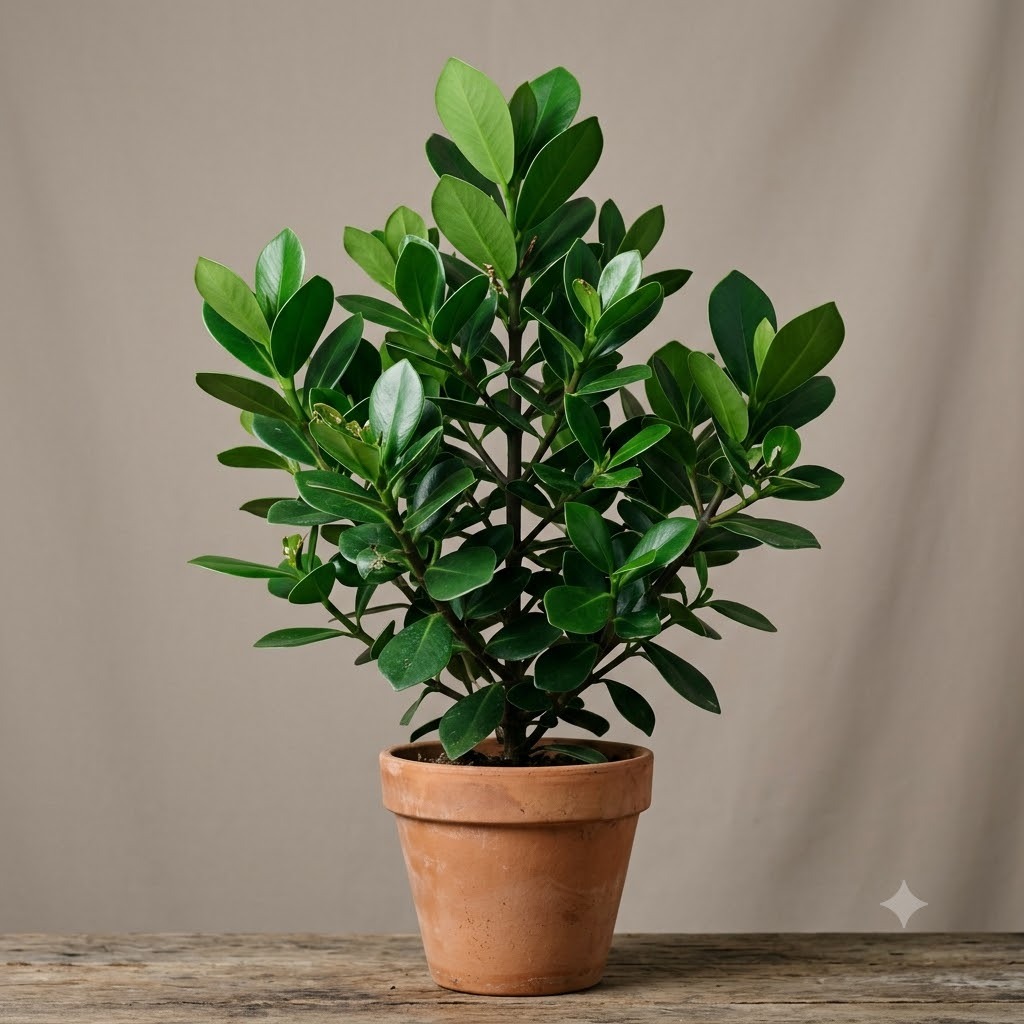
Clusia (Clusia rosea), known as the Autograph Tree, is a tough, glossy, upright houseplant with a fun party trick: its thick, leathery, paddle-shaped leaves are so firm that you can scratch a name or design into the surface with a fingernail, and the mark stays for the life of the leaf. Beyond the novelty, it is a genuinely resilient plant - a sturdy indoor shrub with deep-green, high-shine foliage that tolerates bright light, drought, and a fair amount of neglect. Outdoors in warm climates it is grown as a fast, dense hedge; indoors it makes a handsome, low-fuss statement plant for someone who wants something less thirsty and less delicate than the typical tropical.
Origin & Natural Habitat
Clusia rosea is native to tropical parts of the Americas and the Caribbean, where it often begins life perched high on another tree as a hemiepiphyte before sending roots down to the ground - a habit similar to a strangler fig. It thrives in bright, warm, coastal conditions, including salty air and poor, sandy soils, which is why it is so widely planted as a hardy hedge in the tropics.
That rugged background is the reason it is so forgiving indoors. A plant built to survive salt spray, strong light, and lean soil handles the occasional missed watering and a dry room without complaint.
Appearance
- Leaves: thick, rounded, paddle- or teardrop-shaped, leathery, and very glossy deep green - the standout feature. They are stiff and succulent-like in feel.
- The autograph effect: scratching the leaf surface leaves a lasting pale mark, which is how the plant got its common name.
- Growth habit: upright and bushy, forming a dense shrub; indoors it can be kept compact or grown into a small indoor tree, and it responds well to pruning.
- Size: as a houseplant it is usually kept as a shrubby plant, growing slowly to a manageable indoor height and easily controlled by trimming.
- Sap: stems and cut surfaces exude a sticky latex-like sap.
Why People Love It - Qualities & Benefits
- Glossy, sculptural foliage: the thick, shiny paddle leaves look clean and architectural.
- Tough and drought-tolerant: once established it copes with irregular watering and dry air far better than most houseplants.
- The autograph novelty: kids and guests love that you can write on the leaves.
- Flexible form: keep it small and bushy or train it into a small tree; prune to shape freely.
- Low fuss: a good choice for people who want a resilient, good-looking plant without a demanding routine.
Care
Light
Clusia loves bright light and is one of the few glossy houseplants that appreciates some direct sun. A bright window is ideal, and it can handle several hours of direct light, especially if acclimatized. It tolerates medium light but grows slower and looser; the more light, the denser and healthier the plant.
Watering
Water thoroughly, then let the top of the soil dry out well before watering again - it is drought-tolerant once established and much happier slightly dry than soggy. Its thick leaves store water. Overwatering and soggy soil are the main risks, causing root rot and leaf drop. Water less in winter. When in doubt, wait.
Soil & Potting
Use a well-draining potting mix; adding perlite, sand, or bark improves drainage and suits its tolerance of lean, gritty soils. Always use a pot with drainage holes.
Humidity & Temperature
Comfortable at normal room humidity - it does not need the high humidity many tropicals demand. It enjoys warm room temperatures and dislikes cold; keep it away from cold drafts and chilly windows in winter.
Feeding
Feed with a balanced liquid houseplant fertilizer every few weeks through spring and summer. Reduce or stop feeding in autumn and winter.
Pruning
It responds very well to pruning and can be trimmed to keep it compact and bushy or shaped into a small indoor tree. Prune in the growing season, and be aware that cuts release sticky sap.
Propagation
Clusia can be propagated from stem cuttings. Take a healthy cutting, allow the sticky cut end to dry and callus briefly, then root it in a well-draining moist mix or in water. It roots reasonably well in warm, bright conditions, though it is a slower rooter than soft-stemmed tropicals, so patience helps.
Common Problems & Pests
- Yellowing leaves or leaf drop: usually overwatering and soggy soil - let it dry out more between waterings.
- Shriveled, soft leaves: can indicate root rot from overwatering, or, less commonly, prolonged drought - check the soil and roots.
- Slow or leggy growth: not enough light; move it to a brighter spot.
- Sticky residue: the plant's own latex sap from wounds, or a sign of sap-sucking pests - inspect to tell them apart.
- Pests: scale, mealybugs, and occasionally spider mites. Isolate the plant, wipe the leaves, and treat with insecticidal soap or neem oil.
Toxicity & Safety
Toxic if ingested, and the sap can irritate skin. Clusia rosea is considered toxic to pets and people if eaten, and its sticky latex-like sap may cause skin irritation on contact for sensitive individuals. Keep it away from pets and small children who might chew the leaves, and consider wearing gloves when pruning if your skin is sensitive to the sap. Wash hands after handling cut stems.
Pros & Cons
Pros
- Thick, glossy, sculptural foliage.
- Very tough and drought-tolerant once established.
- Handles bright light and some direct sun.
- The fun autograph-leaf novelty.
- Prunes and shapes easily.
Cons
- Toxic if ingested; sap can irritate skin.
- Sensitive to overwatering and root rot.
- Slower to root when propagated.
- Can outgrow its space without pruning.
- Not suited to dark rooms.
Best Suited For
- People who want a tough, glossy, low-maintenance statement plant.
- Bright and sunny rooms.
- Owners who forget to water and prefer drought-tolerant plants.
- Anyone who enjoys pruning and shaping.
Not ideal for homes with pets or toddlers that chew leaves, very dark rooms, or people who tend to overwater.
FAQ
Can you really write on the leaves? Yes - the leaves are so thick and firm that scratching the surface with a fingernail or blunt tool leaves a pale mark that lasts as long as the leaf. That is why it is called the Autograph Tree.
How much light does it need? Lots. It loves bright light and even tolerates some direct sun - one of the reasons it is such a robust indoor plant.
How often should I water it? Let the top of the soil dry out well between waterings. It is drought-tolerant and far happier slightly dry than soggy, so err on the side of underwatering.
Is the sap dangerous? The sticky sap can irritate sensitive skin, and the plant is toxic if eaten. Wash your hands after pruning and keep it away from pets and children.
Can I keep it small? Yes - it prunes very well and can be kept compact and bushy or trained into a small indoor tree.