Kimberly Queen Fern (Nephrolepis obliterata)
The Kimberly Queen Fern is the tidy, well-behaved cousin of the classic Boston fern.
🗓️ Last reviewed: July 2026
Overview
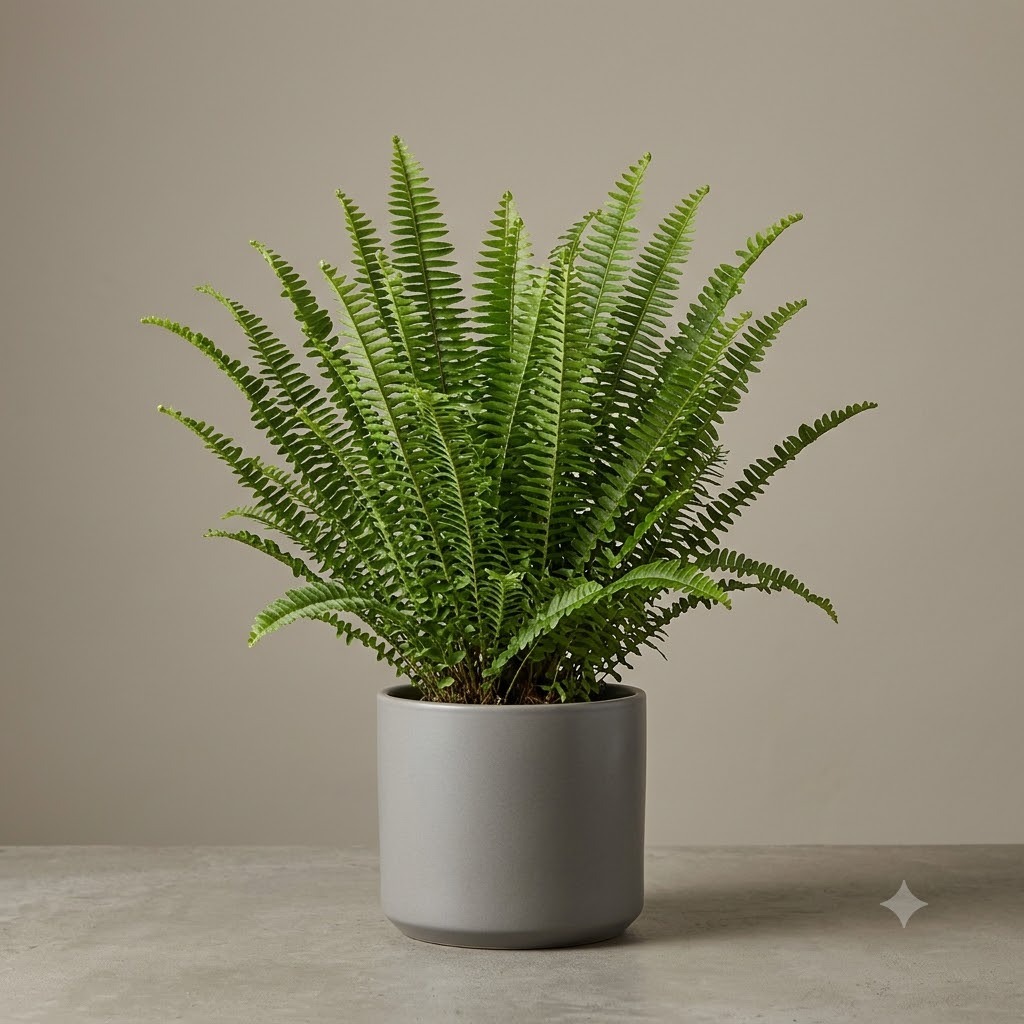
The Kimberly Queen Fern is the tidy, well-behaved cousin of the classic Boston fern. Where a Boston fern flops and sheds fronds all over the floor, the Kimberly Queen grows in a neat, upright vase shape, holding its stiff sword-like fronds proudly upward. It brings the same lush, feathery green softness to a room but with much less mess and noticeably more forgiveness. That combination - full and beautiful, yet tidy and relatively low-drama - has made it a favorite for both bright indoor corners and shaded patios. It still wants moisture and humidity like any fern, but it handles ordinary home conditions better than most.
Origin & Natural Habitat
Nephrolepis obliterata is a sword fern native to tropical regions of Australia and the surrounding Pacific islands, where it grows in warm, humid, sheltered spots with moist soil and dappled light. Like other ferns it thrives in consistent moisture and gentle, filtered light rather than harsh sun or dry ground.
The "Kimberly Queen" name comes from its cultivated selection rather than the wild plant; it was popularized as a robust, upright ornamental fern that stands up better to real-world growing than the older, floppier Boston fern. Its tropical origins explain everything about its preferences: warmth, humidity, steady moisture, and no cold, dry, drafty air.
Appearance
The Kimberly Queen is prized for its clean, architectural form:
- Fronds: long, upright, sword-shaped fronds with narrow leaflets running along each side, stiffer and more upright than a Boston fern's arching, drooping fronds.
- Habit: a neat, symmetrical vase or fountain shape that stays contained rather than sprawling.
- Color: a rich, fresh green throughout.
- Texture: feathery and full, giving softness and volume without the constant frond drop of other ferns.
Indoors it commonly forms a full, rounded clump that can reach a substantial size in a good spot, making a generous but tidy floor or table plant. Grown outdoors in warm climates it can get even larger.
Why People Love It - Qualities & Benefits
- Tidy and upright: the vase-shaped habit means no floppy mess and far less frond litter than a Boston fern.
- More forgiving: it tolerates ordinary home conditions and the occasional lapse better than most ferns.
- Lush and full: it delivers that soft, feathery, "green oasis" look people want from a fern.
- Versatile: happy indoors in bright indirect light and equally at home on a shaded porch or patio in warm weather.
- Calming greenery: like any leafy plant it adds humidity and a soothing, natural feel to a room.
Care
Light
Bright, indirect light is ideal - near a window with plenty of light but out of harsh direct sun, which can scorch the fronds. It tolerates medium light better than many plants but will be fullest and healthiest in bright, filtered light. Outdoors it prefers shade to dappled light rather than blazing sun.
Watering
Consistent moisture is key. Ferns dislike drying out completely, so keep the soil evenly moist but never waterlogged. Water when the top of the soil begins to feel slightly dry, then water thoroughly and let excess drain. In a warm bright spot this is often several times a week; less in winter. The Kimberly Queen is somewhat more drought-tolerant than a Boston fern, but repeated bone-dry soil will cause browning and frond drop.
Soil & Potting
Use a rich, well-draining potting mix that holds some moisture - a quality peat- or coir-based mix works well. Always use a pot with drainage holes so the roots stay moist but never sit in standing water.
Humidity & Temperature
As a tropical fern it loves humidity - ideally 50% or more. In dry indoor air the frond tips may brown, so a humidity tray, a humidifier, or grouping with other plants helps. It enjoys warm temperatures of roughly 18-27 °C and dislikes cold below about 10-13 °C and cold drafts.
Feeding
Feed monthly through spring and summer with a balanced liquid houseplant fertilizer at half strength. Ferns are sensitive to over-fertilizing, which can brown the frond tips, so keep it modest. Stop feeding in winter when growth slows.
Grooming & Repotting
Trim away any old, browned, or dead fronds at the base to keep the plant looking fresh and encourage new growth. Repot every year or two in spring when the roots fill the pot, moving up one pot size; these ferns grow vigorously and can become root-bound.
Propagation
The Kimberly Queen is propagated by division. At repotting time, lift the plant and gently separate the root ball into sections, making sure each division has a good clump of roots and several fronds. Pot each section into fresh moist mix and keep it warm, humid, and out of direct sun while it re-establishes. Division is far more reliable at home than trying to grow ferns from spores, which is slow and difficult.
Common Problems & Pests
- Brown, crispy frond tips or edges: usually low humidity or letting the soil dry out too much.
- Yellowing, wilting fronds: often overwatering and soggy soil, or in some cases severe underwatering - check the soil moisture.
- Frond drop or thinning: commonly too little light, dry air, or inconsistent watering.
- Pale, sun-bleached fronds: too much harsh direct sun.
- Pests: watch for spider mites (fine webbing, stippled fronds) in dry air, plus mealybugs and scale. Boost humidity, isolate the plant, and treat by rinsing and using insecticidal soap.
Toxicity & Safety
The Kimberly Queen Fern, like true ferns generally, is considered non-toxic to cats and dogs and is not known to be poisonous to humans. It is a safe choice for homes with pets and children, though as with any plant, eating large amounts of foliage could cause mild digestive upset, so casual nibbling is still best discouraged.
Pros & Cons
Pros
- Neat, upright, vase-shaped form with far less mess than a Boston fern.
- Lush, full, soft green foliage.
- More forgiving and drought-tolerant than most ferns.
- Works indoors or on a shaded patio.
- Non-toxic and pet-safe.
Cons
- Still needs consistent moisture - not for chronic underwaterers.
- Wants decent humidity; frond tips brown in dry air.
- Grows vigorously and can outgrow its pot quickly.
- Dislikes cold drafts and low temperatures.
- Occasional grooming needed to remove old fronds.
Best Suited For
- Anyone who loves the fern look but hates the Boston fern's mess.
- Bright rooms or shaded patios with a bit of humidity.
- Pet-owning households wanting a safe, leafy plant.
- Owners willing to keep the soil consistently moist.
Not ideal for people who forget to water for long stretches, very dry rooms with no humidity help, dark corners, or cold, drafty spots.
FAQ
How is it different from a Boston fern? The Kimberly Queen grows upright in a tidy vase shape and sheds far fewer fronds, while a Boston fern arches, droops, and drops leaflets everywhere. The Kimberly Queen is also generally sturdier and a bit more forgiving.
Why are the frond tips turning brown? Almost always dry air or soil that dried out too much. Raise the humidity with a tray or humidifier and keep the soil evenly moist.
Can I grow it outside? Yes, in warm weather it does beautifully on a shaded or dappled porch or patio. Just protect it from harsh direct sun and bring it in before cold weather arrives.
How often should I water it? Keep the soil consistently moist - often several times a week in a warm bright spot, less in winter. Water when the surface just begins to feel dry, and never let it dry out completely for long.
Is it safe for my cat or dog? Yes, it is regarded as non-toxic to pets. As always, discourage pets from making a meal of the fronds to avoid mild stomach upset.