Vertical Garden Ideas
Vertical garden ideas for indoors and out - wall planters, pocket systems, full living walls - compared on cost, weight, irrigation, and what actually thrives.
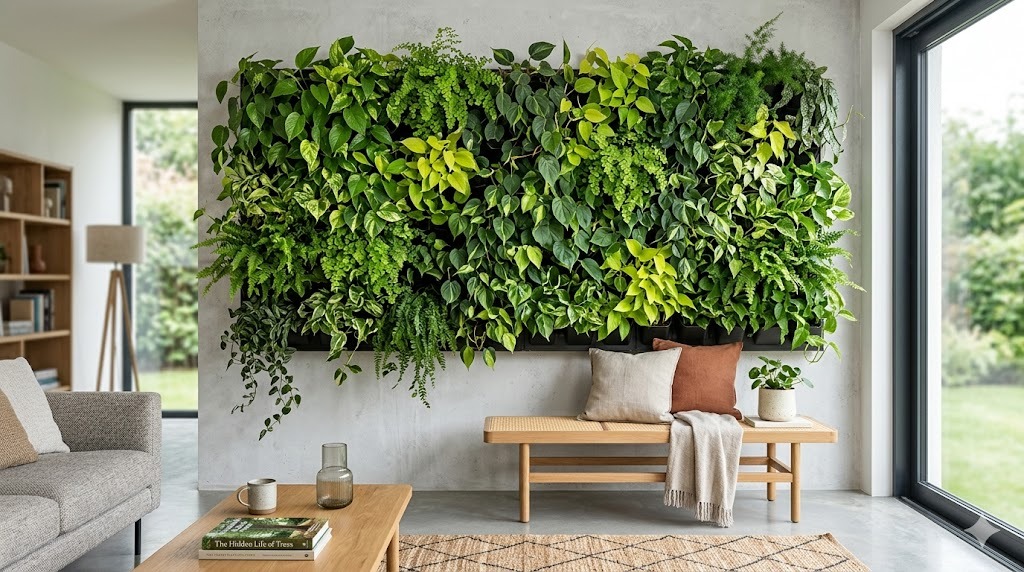
Floor space is the most expensive square metre in any home. Vertical gardening is the response: take an unused wall, fence, or balcony railing and turn it into a planted surface. Done well, you can add 30 or more plants to a room without giving up a centimetre of floor. Done badly, you create a stained wall, a leaking drip system, and a row of half-dead foliage by month three.
This guide covers the realistic vertical garden options - from a £30 pocket planter to a £2000 self-irrigating living wall - with honest notes on weight, waterproofing, light requirements, and which plants survive these conditions long-term.
Why Most “Living Wall” Pinterest Photos Lie
The viral lush green wall has often been installed two days before the photo, and it depends on three things most home setups can’t easily replicate:
- Constant uniform light - every plant in the wall needs adequate light, but a wall blocks its own sunlight in odd ways. Plants at the bottom often starve.
- Reliable irrigation - a drip system that waters every plant equally, every day, with no plugged emitters.
- Maintenance access - someone has to replace plants, prune, and clean.
When any of these fails, the wall develops bald patches. The fix is to start small, accept that some positions need different plants, and choose forgiving species.
Five Categories Ranked from Easy to Ambitious
1. Single Wall Planters (Easiest)
A single pot mounted on a hook or bracket. Trailing pothos, ivy, philodendron, or string-of-hearts in a hanging ceramic looks great with zero infrastructure.
- Cost: £15-60 per planter.
- Weight: Light. Standard drywall hook handles it.
- Watering: Manual. Take down to water in a sink.
- Best plants: Pothos, philodendron, spider plant, hoya.
This is the smartest entry point. Start with three or four, see how they survive a few months, then expand.
2. Pocket Planters & Felt Pouches
Multi-pocket felt panels (Florafelt, WallyGro, Woolly Pocket) mount to the wall and hold individual plants in fabric pockets. Look great as an instant green wall, much cheaper than a full living-wall system.
- Cost: £30-150 per panel, depending on pocket count.
- Weight: Moderate when watered (5-15 kg per panel). Needs studs or proper wall anchors.
- Watering: Hand-water each pocket, or add a small drip system. Always install a waterproof tray behind to protect the wall.
- Best plants: Small ferns, peperomia, succulents (need bright light), philodendron, pothos.
3. Mounted Planter Grids & Ladder Shelves
Wood or metal grids hold individual pots in fixed positions - between a wall planter and a free-standing plant ladder. Easier to maintain than pockets because each plant comes out for care.
- Cost: £80-250.
- Weight: Plus the weight of however many pots you load.
- Watering: Manual, plant by plant.
- Best plants: Anything that fits in a 10-20 cm pot.
4. Modular Plug-and-Play Living Wall Kits
Systems like Plant Cells, GreenStalk (outdoor), Vertical Veg, or AeroGarden Farm Plus combine a built-in water reservoir with plug-in plant modules. Often partially self-watering.
- Cost: £300-800.
- Weight: Significant when full of water (20-60 kg).
- Watering: Reservoir refill weekly; system distributes.
- Best plants: Herbs, lettuce, small flowering plants. Designed mostly for edibles.
5. Full Custom Living Wall
A complete bespoke system - felt panels backed by waterproof board, integrated drip irrigation with a timer, mounted to a structurally checked wall. The thing landscape architects install in office lobbies.
- Cost: £1000-3000+ for materials and labour for a 2 m × 2 m wall. DIY is possible at the lower end.
- Weight: Heavy. Requires real wall anchoring and waterproofing.
- Watering: Automated drip with a reservoir or plumbed supply.
- Best plants: Mixed ferns, philodendron, pothos, peperomia, anthurium, small bromeliads.
What to Grow on Vertical Surfaces
Indoor - Low to Medium Light
- Pothos (every variety)
- Heart-leaf philodendron
- Spider plant
- Boston fern (humid spots only)
- Peperomia
- Maidenhair fern (humid bathrooms)
Indoor - Bright Light
- String of pearls / string of hearts
- Hoya
- Succulents (if direct sun reaches them)
- Tradescantia / spiderwort
- Asparagus fern
Outdoor - Sun
- Strawberries (classic pocket-planter crop)
- Trailing nasturtium
- Pelargonium / geranium
- Ivy geranium
- Mediterranean herbs (thyme, oregano, marjoram)
Outdoor - Shade
- Hardy ferns
- Ivy
- Heuchera
- Tiarella
- Lamium (deadnettle)
Edibles
- Strawberries (top spot)
- Lettuce and salad greens
- Herbs - basil, parsley, chives, mint (keep mint in its own pocket; it spreads)
- Cherry tomatoes (only in deep modular systems)
The Five Mistakes That Wreck Vertical Gardens
- No waterproofing. Vertical watering means water runs down the wall. Even “self-contained” pockets leak. Install a tray, drip lip, or backer board to protect the wall.
- Underestimating weight. Wet soil is heavy. A small pocket panel can weigh 15+ kg when watered. Use stud anchors, not drywall plugs.
- Ignoring uneven light. Top of the wall (close to a ceiling lamp or window) gets far more light than the bottom. Match plants to micro-positions.
- Mixing plants with different water needs. Sharing a single drip line means everyone gets the same water. Don’t combine ferns and cacti.
- Skipping irrigation timing. A drip system that runs once a day flushes more reliably than one that runs three times briefly. Less frequent, more thorough.
A Realistic Starter Project
Buy a felt pocket panel with 6-9 pockets. Mount it onto a sturdy wall with a waterproof tray below. Fill with pothos cuttings, peperomia, and a single trailing philodendron. Water by hand once a week - take a small watering can to each pocket. Watch it for three months. If you’re still enjoying it and the wall is dry, scale up.
Frequently Asked Questions
Are living walls hard to maintain?
Yes, more than people expect. Plants die unevenly, irrigation lines clog, walls develop water marks. Plan for monthly maintenance - replanting bald spots, checking the drip system, wiping the wall edges.
How much weight can a drywall hold?
A small wall planter (under 5 kg) sits fine on a standard plasterboard hook. Anything heavier needs to anchor into a stud, or use a toggle bolt or heavy-duty anchor. A 2 m × 2 m living wall full of wet soil can exceed 100 kg - that needs structural wall mounting.
What plants grow best in a vertical garden indoors?
Pothos, philodendron, peperomia, spider plant, and small ferns are the most forgiving. They tolerate the uneven light, drying out, and tight root space typical of pocket systems.
Can I grow vegetables on a vertical wall?
Strawberries, lettuce, herbs - yes, in modular plug-in systems with adequate light. Larger crops (tomatoes, peppers) need more soil depth than wall systems typically provide.
How often do I need to water a vertical garden?
Manual setups, every 3-7 days. Drip-irrigated panels, daily for short cycles. Reservoir-based modular systems, refill weekly. Watch the bottom plants - they often dry faster (smaller root area) or wetter (water drips down).
🛒 Recommended Gear on Amazon
- Vertical garden planter - browse current options and reviews on Amazon.
- Vertical garden wall pockets - browse current options and reviews on Amazon.
- Garden trellis - browse current options and reviews on Amazon.
As an Amazon Associate, we earn from qualifying purchases - at no extra cost to you. This helps us keep producing free, in-depth guides.