Bleeding Heart (Lamprocapnos spectabilis)
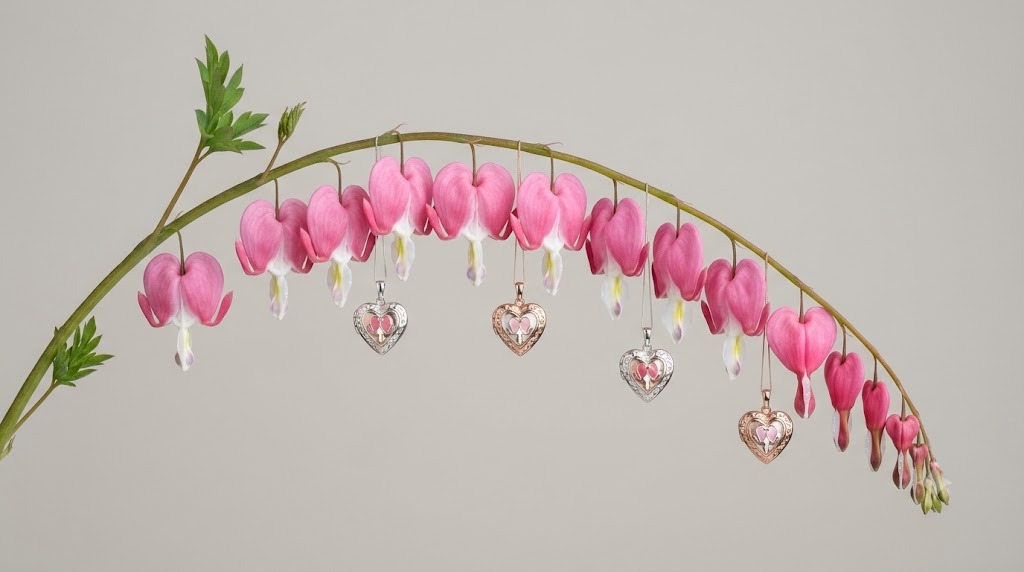
The Bleeding Heart is one of the most charming and instantly recognizable plants of the shade garden - a graceful spring perennial whose long, arching stems are hung in a row with dangling, heart-shaped lockets, each in soft rose-pink with a teardrop of white peeking out from the bottom.
🗓️ Last reviewed: June 2026
Overview
The Bleeding Heart is one of the most charming and instantly recognizable plants of the shade garden - a graceful spring perennial whose long, arching stems are hung in a row with dangling, heart-shaped lockets, each in soft rose-pink with a teardrop of white peeking out from the bottom. The effect is delicate and almost theatrical, like a string of little pendants swinging in the slightest breeze beneath ferny, blue-green foliage. Bleeding hearts flower in mid to late spring, light up the cool, moist, shady corners where little else looks so good, and then, in many gardens, quietly die back and disappear for the summer once the heat arrives. For old-fashioned woodland romance in the shade, few plants are as beloved or as easy.
Origin & Natural Habitat
The common bleeding heart, Lamprocapnos spectabilis (long known as Dicentra spectabilis), is native to the cool, moist woodlands of eastern Asia - parts of Siberia, northern China, Korea, and Japan. In the wild it grows in the dappled shade of deciduous forests, in rich, humus-laden, consistently moist but well-drained soil, where it flowers in the cool of spring before the tree canopy fully closes in and then often retreats below ground as summer turns hot and dry. This woodland heritage explains everything about it in the garden: it loves shade, cool conditions, and moist, leafy soil, dislikes heat and drought, and its habit of going dormant in summer is simply the plant doing in your border exactly what it does on a forest floor.
Appearance
Bleeding heart forms a soft, bushy mound of divided, ferny, blue-green to grey-green foliage that emerges in spring, growing to roughly 60 to 90 cm tall and wide. From this rise the long, gracefully arching flower stems, each one lined along its upper side with a row of pendant, heart-shaped flowers that hang down in an even sequence. Each flower, around 2 to 3 cm, is a classic puffy heart in rose-pink, with two inner white petals protruding from the base like a drop, giving the famous "bleeding heart" look. A pure white form, 'Alba', carries the same lockets in clean white. As the flowers fade and summer warmth sets in, the foliage typically yellows and dies back, and the plant rests below ground until the following spring.
Why People Grow It - Qualities & Benefits
- Unique flowers: the dangling heart-shaped lockets are unlike anything else in the garden.
- Shade performer: brings color and grace to cool, shady spots where many plants struggle.
- Old-fashioned charm: a nostalgic, romantic, classic cottage and woodland plant.
- Easy and reliable: long-lived and low-maintenance in the right cool, moist conditions.
- Spring highlight: flowers in mid to late spring when the shade garden needs interest.
- Lovely foliage: the ferny blue-green leaves are attractive in their own right.
Care
Light & Position
Bleeding hearts are shade plants. They are happiest in part to full shade - the dappled light beneath deciduous trees or shrubs, or the cool shade on the north or east side of a building, is ideal. They tolerate morning sun with afternoon shade in cooler climates, but hot, direct afternoon sun scorches the foliage and drives the plant into early dormancy. A cool, sheltered, shady position keeps the foliage looking good for longer and prolongs the flowering display.
Soil
They need rich, fertile, humus-laden soil that holds moisture yet drains freely - the leafy, woodland-floor type of soil. Generous organic matter, such as leaf mould or compost worked in and mulched on top, suits them perfectly. The soil should stay consistently moist but never waterlogged, as soggy ground in winter can rot the fleshy roots. A slightly acidic to neutral soil is fine. Poor, dry, or heavy compacted soils are the main thing to avoid or improve before planting.
Watering
Consistent moisture is the key to a happy bleeding heart. Keep the soil evenly moist, especially through spring while it is growing and flowering, and during any dry spells. They dislike drying out, which hastens the summer dieback. A mulch of leaf mould or compost helps lock in moisture and keep the roots cool. Once the plant naturally yellows and goes dormant in summer, reduce watering, as the resting roots do not want to sit wet.
Feeding
Bleeding hearts are not heavy feeders. A spring mulch of compost or well-rotted leaf mould, or a light application of a balanced general fertilizer as growth begins, is generally all they need. Rich, leafy soil maintained with annual organic matter supplies most of their requirements. Avoid heavy feeding, which is unnecessary and does little for a plant whose whole season is short and spring-focused.
Pruning
Very little pruning is needed. Spent flower stems can be trimmed off after blooming for tidiness. The main task is dealing with the natural summer dieback: once the foliage yellows and collapses, simply cut it back to the ground and let the plant rest. Do not be alarmed by this - it is normal, not a sign of failure. Marking the spot is wise, so you do not accidentally dig into the dormant crown while it is out of sight over summer.
Hardiness & Winter Care
Bleeding hearts are very hardy, reliably surviving roughly USDA zones 3 to 9. The plant dies back completely and overwinters as a dormant crown of fleshy roots below ground, so it needs little or no winter protection in its hardy range. Good drainage is the main concern, as the resting roots can rot in cold, waterlogged soil. In its preferred cool climates it is a long-lived, dependable perennial that returns faithfully each spring.
Planting & Propagation
Plant bare-root crowns in autumn or early spring, or set out pot-grown plants in spring, in a cool, shady spot with rich, moist soil, spacing them generously to allow for their full mound. The easiest way to propagate is by division: lift and divide established clumps in early spring as growth begins (or in autumn), carefully separating the fleshy roots so each piece has a bud, and replant immediately. Handle the brittle roots gently. They can also be grown from seed or root cuttings, but division of an existing plant in early spring is by far the simplest and most reliable method.
Common Problems & Pests
- Summer dormancy mistaken for death: the natural yellowing and dieback in summer heat alarms newcomers, but it is normal and the plant returns next spring.
- Scorch and early dieback: too much sun, heat, or dryness causes the foliage to brown and collapse prematurely.
- Root rot: waterlogged or poorly drained soil, especially in winter, can rot the fleshy roots.
- Slugs and snails: can nibble the soft young spring growth.
- Aphids: occasionally cluster on tender new stems.
- Wilting in drought: the foliage flags quickly if the soil dries out.
Most problems trace back to too much sun, heat, dryness, or poor drainage - get the cool, moist, shady conditions right and it is almost trouble-free.
Toxicity & Safety
Toxic if ingested, to people and to pets, and the sap can irritate the skin. Bleeding heart contains alkaloids that are poisonous if eaten - ingestion can cause symptoms such as drooling, vomiting, and diarrhoea in cats and dogs, and it is best kept away from children and pets who might nibble it. Contact with the sap and foliage can also cause skin irritation (contact dermatitis) in sensitive people, so wearing gloves when handling, dividing, or cutting it back is sensible. It is grown purely as an ornamental and no part of it should be eaten. In practice it is widely and safely grown in gardens, but it is not a plant to treat as harmless around curious pets or young children.
Pros & Cons
Pros
- Utterly distinctive, romantic heart-shaped flowers.
- One of the best perennials for cool, shady spots.
- Easy, long-lived, and low-maintenance in the right conditions.
- Attractive ferny foliage as well as the blooms.
- Very hardy and dependable, returning each spring.
Cons
- Goes dormant and disappears in summer heat, leaving a gap.
- Dislikes heat, drought, and full sun.
- Needs consistently moist, rich soil to thrive.
- Brittle roots and a short main season of interest.
- Toxic if eaten and the sap can irritate skin.
Best Suited For
- Shady borders, woodland gardens, and cool north or east-facing beds.
- Cottage gardens and old-fashioned, romantic planting schemes.
- Underplanting beneath deciduous trees and shrubs.
- Cool, moist climates and consistently moist, rich soils.
- Gardeners who want spring color in the shade and don't mind a summer gap.
Not ideal for hot, sunny, dry sites, climates with fierce summer heat, gardens needing year-round foliage in one spot, or homes where curious pets or children might eat the plants.
FAQ
Why did my bleeding heart turn yellow and die back in summer? That is almost certainly normal summer dormancy, not death. Bleeding hearts are spring plants that often yellow, collapse, and disappear once summer heat arrives, retreating to a dormant crown below ground until the following spring - exactly what they do on the woodland floor in the wild. Simply cut back the spent foliage, mark the spot so you don't dig into it, keep it from sitting soggy, and it will return next year. Heat and dryness make it die back earlier, so cool, moist, shady conditions keep the foliage going longer.
Does bleeding heart need sun or shade? Shade. It is a woodland plant that prefers part to full shade - dappled light under trees or the cool shade beside a building is ideal. Hot afternoon sun scorches the leaves and forces it into early dormancy. A little gentle morning sun is fine in cooler climates, but in general the more shade and the cooler and moister the spot, the happier and longer-lasting the plant.
Is bleeding heart poisonous to pets? Yes, to a degree. Bleeding heart contains alkaloids that are toxic if eaten and can cause drooling, vomiting, and diarrhoea in cats and dogs, so it should be kept away from pets and children who might chew it. The sap can also irritate the skin, so it is sensible to wear gloves when handling or dividing it. It is fine as an ornamental in most gardens, but it is not a plant to treat as harmless around curious animals.
How do I propagate bleeding heart? The easiest way is by division in early spring as growth begins, or in autumn. Lift an established clump and carefully separate the fleshy roots so each piece has at least one bud, handling the brittle roots gently, then replant straight away in cool, moist, rich soil. It can also be raised from seed or root cuttings, but dividing an existing plant is much simpler and quicker.