Chrysanthemum (Chrysanthemum morifolium)
The Chrysanthemum, affectionately known as the "mum," is the signature flower of autumn - the plant that fills gardens, doorsteps, and pots with rich, jewel-toned blooms just as the season turns cool.
🗓️ Last reviewed: June 2026
Overview
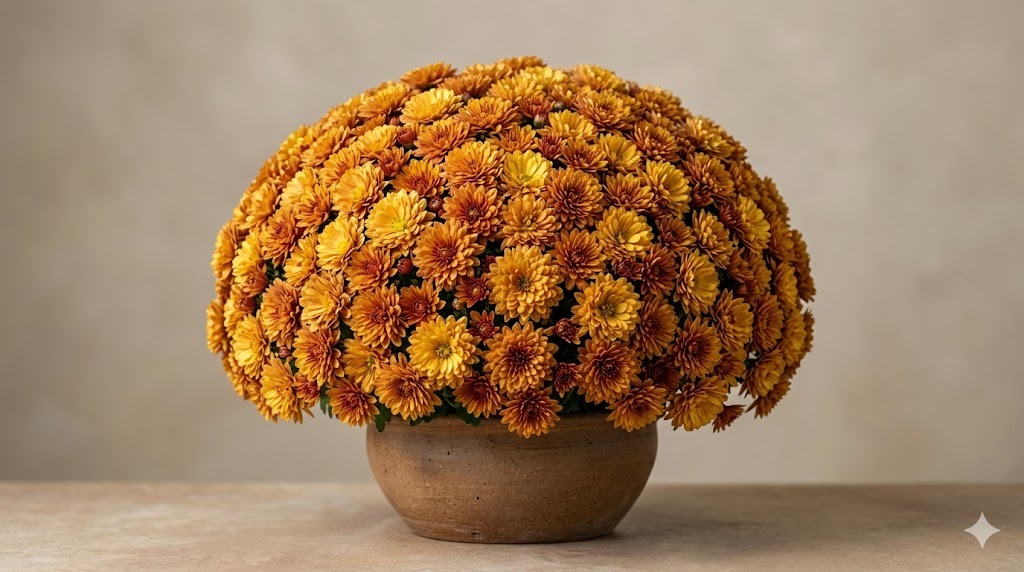
The Chrysanthemum, affectionately known as the "mum," is the signature flower of autumn - the plant that fills gardens, doorsteps, and pots with rich, jewel-toned blooms just as the season turns cool. Few plants flower so generously so late, smothering themselves in daisy-like, pompom, or shaggy spider-form flowers in golds, bronzes, russets, purples, pinks, and whites. They are wonderfully versatile, used as long-flowering border perennials, as instant autumn color in containers, and as one of the world's great cut flowers. With their dense mounds of color and their reliable, late-season performance, chrysanthemums are a cornerstone of the autumn garden in temperate climates around the world.
Origin & Natural Habitat
The garden chrysanthemum, Chrysanthemum morifolium, is an ancient hybrid of complex parentage, descended from wild chrysanthemum species native to East Asia, particularly China. It has been cultivated for well over a thousand years, first in China and then in Japan, where it became a revered symbol and the subject of intense breeding. It is not a true wild plant but a product of centuries of human selection. Its ancestry in the temperate hills and meadows of East Asia explains its preferences: full sun, fertile and well-drained soil, and a strong response to the shortening days of autumn, which trigger its flowering.
Appearance
Chrysanthemums are bushy, mound-forming herbaceous perennials with upright stems and lobed, aromatic, mid-green leaves that have a distinctive scent when crushed. From late summer into autumn the plants become covered in flowers, often so densely that the foliage almost disappears. The flower forms are remarkably varied: simple single daisies, button-like pompoms, fully double cushion blooms, shaggy spider and quill forms, and large exhibition blooms. Colors span the warm autumn palette of gold, bronze, orange, and rust, as well as pink, red, purple, and white. Garden mounding types typically grow 30 to 90 cm tall and wide, forming neat, rounded cushions of color.
Why People Grow It - Qualities & Benefits
- Classic autumn color: the definitive flower of fall, blooming when little else does.
- Incredible flower variety: dozens of forms and colors, from daisies to pompoms to spiders.
- Mass display: plants smother themselves in blooms for weeks.
- Versatile: superb in borders, pots, and as instant seasonal color on patios and doorsteps.
- Excellent cut flowers: long-lasting in the vase and a florist's staple.
- Pollinator value: single and open-centered types provide late nectar for bees and butterflies.
Care
Light & Position
Chrysanthemums need full sun for the best flowering and the most compact, sturdy growth - at least six hours of direct sun a day. In shade they grow leggy, flower poorly, and are more prone to disease. Choose an open, sunny spot with good air circulation. Because flowering is triggered by shortening autumn days, avoid planting them near bright artificial light at night, which can disrupt their bloom timing.
Soil
They prefer fertile, well-drained soil enriched with organic matter. Good drainage is essential, as chrysanthemums dislike sitting in wet soil, particularly over winter when waterlogging is a major cause of losses. Improve heavy soils with compost and grit before planting to ensure water moves through freely.
Watering
Keep chrysanthemums consistently moist through the growing season, as they have shallow roots and dislike drying out, which causes wilting and bud drop. Container-grown mums in particular need frequent watering, sometimes daily in warm weather. Water at the base in the morning to keep the foliage dry and reduce fungal disease.
Feeding
Chrysanthemums are hungry plants that flower heavily, so they benefit from regular feeding through the growing season. Feed with a balanced fertilizer as growth begins, switching to a higher-potassium feed as buds form to support abundant blooms. Stop feeding once the flowers are open. Mulching in spring helps feed the soil and conserve moisture.
Pruning
Pinching is the key technique: in late spring and early summer, pinch out the growing tips of the stems a couple of times to encourage bushy, well-branched plants covered in flowers rather than tall, sparse ones. Stop pinching by midsummer so buds can form. Deadhead spent blooms to prolong the display, and after flowering cut the stems back, leaving a short framework that can be tidied to the ground in late winter.
Hardiness & Winter Care
Hardiness varies considerably by variety. Many garden chrysanthemums are hardy to around USDA zone 5, but the so-called "florist mums" sold for instant autumn color are often less hardy and are frequently treated as seasonal disposables. For reliable overwintering, plant garden-hardy types in spring (not autumn) so they establish strong roots, ensure excellent winter drainage, and mulch the crown in cold regions. Good drainage matters more than cold for winter survival.
Planting & Propagation
Plant garden chrysanthemums in spring to give them a full season to establish before winter, spacing them to allow good airflow. They are easily propagated by lifting and dividing established clumps in spring, which also keeps them vigorous, and by taking basal cuttings from new spring shoots, which is how named varieties are typically increased. Division every couple of years rejuvenates old, woody clumps and provides plenty of free new plants.
Common Problems & Pests
- Powdery mildew: white powdery coating on leaves, worst in crowded, poorly ventilated, or stressed plants.
- Aphids: cluster on soft new growth and buds - hose off, squash, or rely on predators.
- Leaf miners: larvae tunnel pale trails through the leaves.
- Chrysanthemum white rust: a serious fungal disease causing pale spots and pustules on leaves; remove and destroy affected plants.
- Root and stem rot: in waterlogged or poorly drained soil, especially over winter.
- Earwigs: can nibble petals and foliage.
Good drainage, full sun, and air circulation prevent most problems.
Toxicity & Safety
Toxic to cats and dogs; can cause skin irritation in people. Chrysanthemums contain compounds (including pyrethrins and sesquiterpene lactones) that are toxic to pets if eaten, causing vomiting, diarrhea, drooling, and loss of coordination. Keep pets from chewing the plants. For people, handling the foliage can occasionally cause contact dermatitis (skin irritation) in sensitive individuals, so wearing gloves when pruning is sensible. This is an ornamental plant for display, not for eating.
Pros & Cons
Pros
- The classic, generous flower of autumn.
- Enormous variety of flower forms and colors.
- Versatile in borders, pots, and as cut flowers.
- Long-lasting, abundant display.
- Pollinator value from open-centered types.
Cons
- Toxic to cats and dogs; can irritate skin.
- Florist mums are often not winter-hardy.
- Need full sun, rich soil, and good drainage.
- Hungry and thirsty, especially in pots.
- Need pinching for the best, bushiest display.
Best Suited For
- Autumn borders and seasonal color schemes.
- Patio pots, containers, and doorstep displays.
- Cutting gardens.
- Mixed perennial and cottage-garden borders (hardy types).
- Gardeners wanting reliable late-season color.
Not ideal for homes with pets that chew plants, shady gardens, or wet, poorly drained soil.
FAQ
When do chrysanthemums flower? Chrysanthemums are autumn stars, blooming from late summer through fall. Their flowering is triggered by the shortening days of the season, which is why they reliably come into their own just as the weather cools and most other plants are finishing.
Why do my potted mums die over winter? Many "florist mums" sold for instant autumn color are not fully winter-hardy and are bred as seasonal plants. For reliable overwintering, buy garden-hardy varieties, plant them in spring rather than autumn so they root strongly, and make sure they have excellent winter drainage, as wet soil is the main killer.
How do I get bushier mums with more flowers? Pinch them. In late spring and early summer, pinch out the growing tips a couple of times. This makes the plant branch into a dense, rounded mound covered in many more flowers, instead of growing tall and sparse. Stop pinching by midsummer so buds can form.
Are chrysanthemums safe for pets? No. Chrysanthemums are toxic to cats and dogs and can cause vomiting, diarrhea, drooling, and incoordination if eaten. Keep pets away from them, and choose a pet-safe plant if you have animals that chew.
Do chrysanthemums come back every year? Garden-hardy chrysanthemums are perennials that return each year if they survive winter, which depends on choosing hardy types, planting in spring, and providing good drainage. The cheaper florist mums are often treated as disposable seasonal color.