Columbine (Aquilegia spp.)
Columbine is one of the most enchanting and distinctive flowers of the late spring garden - a graceful woodland perennial whose nodding, intricately spurred blooms seem to hover like tiny lanterns above delicate, fern-like foliage.
🗓️ Last reviewed: June 2026
Overview
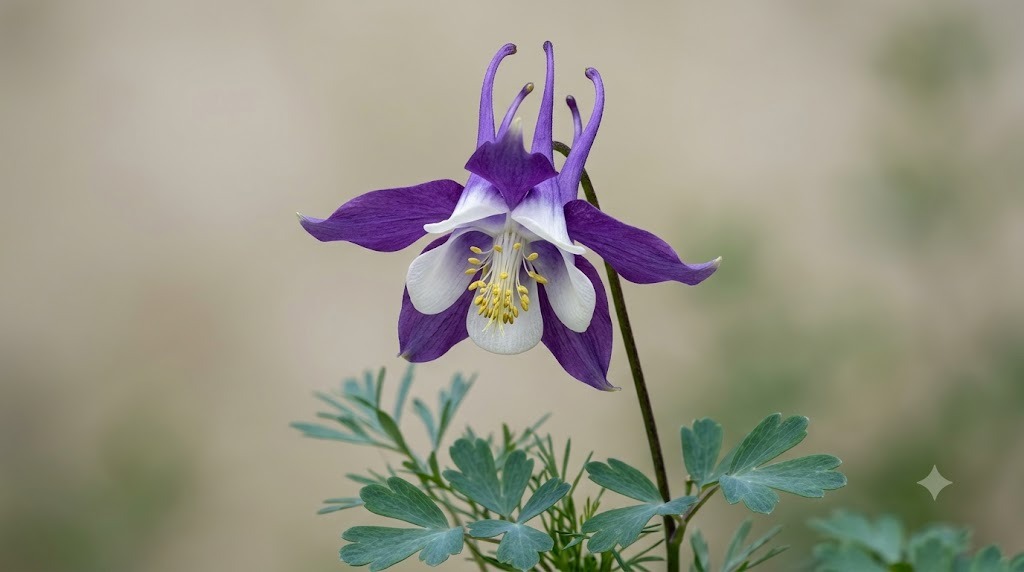
Columbine is one of the most enchanting and distinctive flowers of the late spring garden - a graceful woodland perennial whose nodding, intricately spurred blooms seem to hover like tiny lanterns above delicate, fern-like foliage. The flowers come in an extraordinary range of colors and color combinations, from soft pastels to rich purples, reds, yellows, and bicolors, each with the characteristic backward-pointing spurs that give the plant its airy, almost mythical charm. Columbines are easy, hardy, and short-lived but generously self-seeding, so they drift and naturalize gently through a garden. Loved by gardeners and by hummingbirds and long-tongued bees alike, they bring delicacy, color, and a cottage-garden romance to the gap between spring bulbs and summer perennials.
Origin & Natural Habitat
Columbines (genus Aquilegia) are native across the temperate Northern Hemisphere - North America, Europe, and Asia - where the many wild species grow in woodland edges, mountain meadows, rocky slopes, and along streams. The European Aquilegia vulgaris (granny's bonnet) and a host of North American species are the parents of today's garden hybrids. Their natural homes in dappled woodland and cool mountain habitats explain their garden preferences: they enjoy sun to partial shade, cool and moist but well-drained soil, and good hardiness, and they are perfectly suited to the lightly shaded, humus-rich conditions of a woodland-edge garden.
Appearance
Columbines form mounds of soft, delicate, blue-green foliage divided into rounded, lobed leaflets, somewhat resembling a more refined version of maidenhair fern. In late spring and early summer, slender, branching stems rise above the foliage carrying the unmistakable flowers: nodding or outward-facing blooms with five petals, each extended backward into a long, hollow spur, surrounded by five colorful sepals. The effect is of an intricate, double-layered lantern or star. Colors are vast - blue, purple, pink, red, yellow, white, and countless bicolors. Plants typically grow 30 to 90 cm tall depending on the species or hybrid, with the flowers held airily above the foliage mound.
Why People Grow It - Qualities & Benefits
- Exquisite, unusual flowers: the intricate spurred blooms are unlike anything else.
- Huge color range: from delicate pastels to bold bicolors.
- Thrives in part shade: ideal for the lightly shaded, woodland-edge garden.
- Fills the spring gap: flowers between the spring bulbs and the summer perennials.
- Self-seeds and naturalizes: drifts gently through a garden once established.
- Wildlife value: beloved by hummingbirds and long-tongued bees.
Care
Light & Position
Columbines are wonderfully adaptable to light, growing well in full sun in cooler climates and preferring partial or dappled shade in warmer regions and through hot summers. Their ideal is the lightly shaded woodland edge, with morning sun and afternoon shade. They tolerate full sun where summers are mild and soil stays moist, but in hot, dry, sunny spots they fade and decline quickly.
Soil
They prefer cool, moist but well-drained soil enriched with organic matter, reflecting their woodland origins. They are adaptable to a range of soils but dislike both waterlogged ground and soil that bakes dry. Adding leaf mold or compost to mimic a humus-rich woodland floor suits them well and helps retain the cool, even moisture they enjoy.
Watering
Keep columbines reasonably and evenly moist, especially during the growing and flowering season and in dry spells. They are not drought plants and suffer in prolonged dryness, but they also dislike sitting in constantly wet soil. The aim is the cool, steady moisture of a woodland floor. Water at the base, particularly in warm weather.
Feeding
Columbines are light feeders. A spring mulch of compost or leaf mold, or a light application of a balanced fertilizer as growth begins, is usually sufficient. They do not need heavy feeding, and a rich woodland-style mulch both feeds them gently and keeps their roots cool and moist - exactly the conditions they prefer.
Pruning
After flowering, the foliage can become tatty and is sometimes affected by leaf miner; cutting the whole plant back to the base then often produces a fresh flush of clean new leaves. Deadheading prolongs flowering and limits self-seeding if you want to control where they spread; alternatively, leave some seed heads to allow the plant to self-sow and naturalize. Cut back old foliage in late autumn or late winter to tidy the plants.
Hardiness & Winter Care
Columbines are hardy perennials, with many reliable to around USDA zone 3, reflecting their mountain and northern-woodland origins. They are herbaceous, dying back in winter and resprouting in spring, and need little winter protection in temperate climates. They are naturally short-lived perennials, often persisting only a few years, but their prolific self-seeding means they effectively perpetuate themselves in the garden.
Planting & Propagation
Plant columbines in spring or autumn in a partially shaded, humus-rich spot. They are most commonly raised from seed, which germinates readily and is the natural way they spread; self-sown seedlings appear freely around established plants. Note that columbines hybridize and cross-pollinate readily, so seedlings often differ from the parent in color. Named hybrids are best maintained by careful seed selection or by division of young plants, though their fleshy roots resent heavy disturbance, so division is less reliable than with many perennials.
Common Problems & Pests
- Leaf miner: the most common columbine problem - larvae tunnel pale, winding trails through the leaves; cutting the plant back to the base produces fresh clean growth.
- Powdery mildew: white coating on leaves in dry, stressed, or crowded conditions.
- Aphids: cluster on soft new growth and buds - hose off or tolerate.
- Sawfly larvae: can quickly strip the foliage of some plants - pick off or treat.
- Crown rot: in heavy, waterlogged soil.
- Short lifespan: plants naturally fade after a few years, though self-seeding replaces them.
Cutting back after flowering refreshes the foliage and deals with most cosmetic problems.
Toxicity & Safety
Considered toxic if eaten; best treated with caution around pets and children. Columbines belong to the buttercup family and contain compounds that can be toxic if consumed in quantity, potentially causing stomach upset and other effects; the seeds in particular are considered the most potent part. While serious poisonings are uncommon because the plant is not appealing to eat, it is sensible to keep pets and young children from chewing it, and to wear gloves if you have sensitive skin. This is an ornamental plant for display, not for eating.
Pros & Cons
Pros
- Exquisite, intricate, unusual spurred flowers.
- Enormous range of colors and bicolors.
- Thrives in part shade and woodland-edge conditions.
- Fills the gap between spring bulbs and summer perennials.
- Self-seeds and naturalizes; loved by hummingbirds and bees.
Cons
- Toxic if eaten, especially the seeds.
- Naturally short-lived perennials.
- Foliage prone to leaf miner and can look tatty after flowering.
- Self-seeded plants vary in color and can spread where unwanted.
- Dislike hot, dry, sunny conditions and heavy wet soil.
Best Suited For
- Woodland gardens and shaded or part-shaded borders.
- Cottage gardens and naturalistic planting.
- Filling the late-spring gap in mixed borders.
- Wildlife gardens (hummingbirds and bees).
- Gardeners who enjoy self-seeding, drifting plants.
Not ideal for hot, dry, sunny sites, formal gardens needing tight control, or homes where pets or children are likely to chew the plants.
FAQ
Why are there pale squiggly lines on my columbine leaves? Those winding pale trails are the work of leaf miner, the most common columbine pest, whose larvae tunnel inside the leaves. It is mostly cosmetic. The best fix is simple: after flowering, cut the whole plant down to the base, and it will quickly produce a fresh flush of clean new foliage.
Do columbines come back every year? Yes, but with a twist. Columbines are hardy perennials, though naturally short-lived, often lasting only a few years. However, they self-seed prolifically, so new seedlings constantly replace the older plants, and a colony effectively perpetuates itself in the garden for many years.
Why are my columbine seedlings a different color from the parent? Columbines cross-pollinate and hybridize very readily, so seed-grown plants often differ in color from their parents. This is part of their charm, giving a changing mix of colors over the years, but if you want to keep a specific color, you need to deadhead to prevent self-seeding and propagate carefully.
Are columbines safe for pets? Columbines are considered toxic if eaten, particularly the seeds, as they belong to the buttercup family. Serious cases are uncommon because pets rarely find them appealing, but it is sensible to discourage chewing and to keep them away from pets and young children that nibble plants.
Do columbines prefer sun or shade? It depends on your climate. In cooler regions they grow happily in full sun, but in warmer areas and through hot summers they much prefer partial or dappled shade. Their ideal is a lightly shaded woodland edge with cool, moist soil - they dislike hot, dry, baking sun.