Dianthus / Pinks (Dianthus)
Dianthus, known to gardeners as pinks, are the sweetly clove-scented cottage-garden classics with fringed, frilled flowers set against neat cushions of blue-grey foliage.
🗓️ Last reviewed: July 2026
Overview
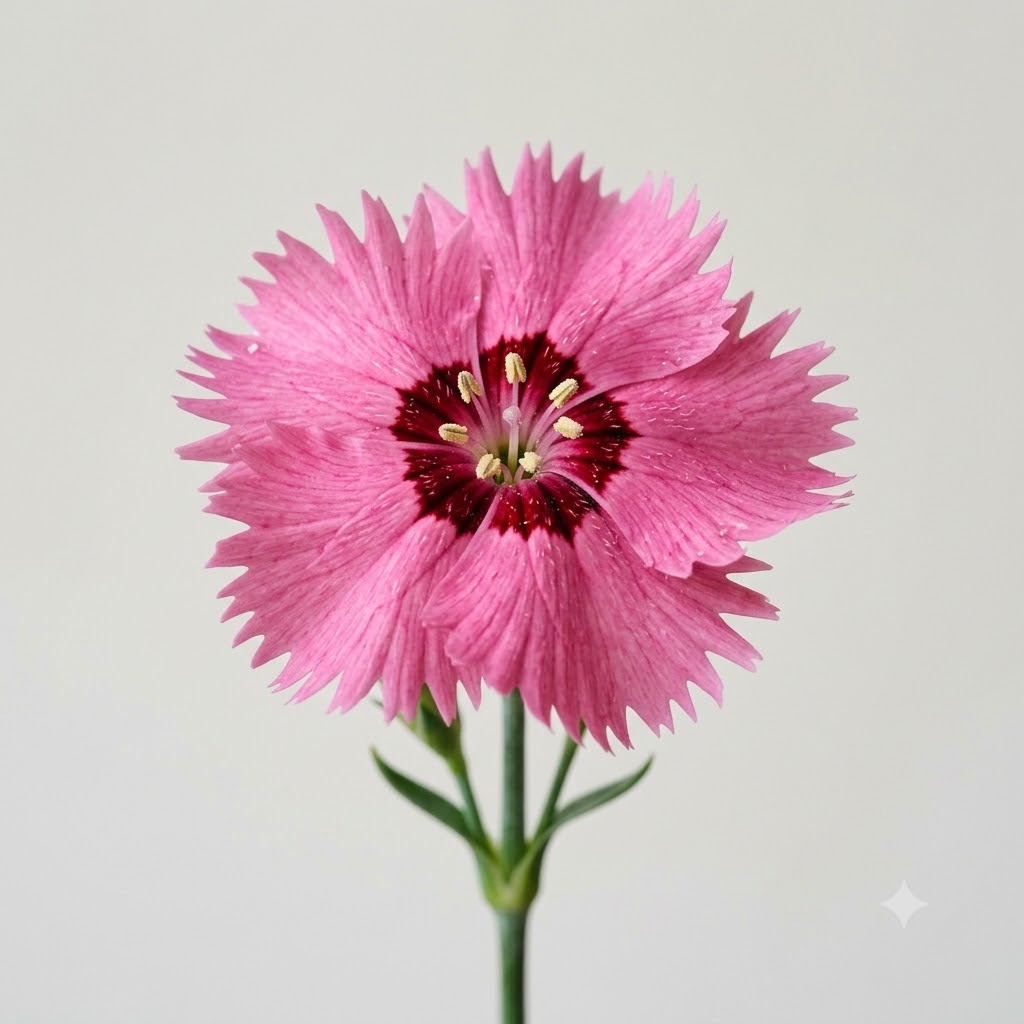
Dianthus, known to gardeners as pinks, are the sweetly clove-scented cottage-garden classics with fringed, frilled flowers set against neat cushions of blue-grey foliage. The name "pink" refers not to the colour but to the pinked, or serrated, edge of the petals - as if trimmed with pinking shears. This large family includes garden pinks, carnations, and the biennial sweet William, offering flowers in pink, white, red, and bicolours, many with a rich spicy fragrance. Pinks are tough, sun-loving, drought-tolerant plants that thrive on the kind of poor, gritty, alkaline soil where fussier plants struggle. Compact, long-flowering, and irresistible to bees and butterflies, they earn their place at the front of any sunny border.
Origin & Natural Habitat
Dianthus is a large genus native mostly to Europe and Asia, with a strong centre in the Mediterranean region and its mountains. In the wild many species grow on sunny rocky slopes, cliffs, alpine meadows, and free-draining alkaline (limestone) soils. This origin is the whole key to growing them: they want full sun, sharp drainage, and lean, alkaline conditions - exactly the opposite of a rich, damp border. Their tough blue-grey foliage is adapted to bright light and dry, exposed sites. Garden pinks and carnations are the product of long cultivation, but they still carry the needs of their sun-baked mountain ancestors.
Appearance
Pinks form low, spreading mats or tufts of narrow, grassy, blue-grey (glaucous) foliage - attractive even out of flower. From late spring into summer they send up slender stems topped with flowers that have the characteristic fringed or "pinked" petal edges, often with a contrasting central eye or zoning. Fragrance ranges from a strong, spicy clove scent to none, depending on variety. The group divides roughly into: garden pinks (low, mat-forming, hardy perennials, often the most fragrant), carnations (taller, larger, fuller flowers, the classic florist type), alpine or rock pinks (tiny, tight cushions for rockeries), and sweet William (short-lived, clustered flat-topped heads, usually grown as a biennial). Heights range from a few centimetres to around 60-80 cm for border carnations.
Why People Grow It - Qualities & Benefits
- Clove fragrance: many pinks are gloriously, spicily scented - one of the great garden perfumes.
- Long flowering: deadheaded regularly, they bloom for weeks or months through summer.
- Drought-tolerant: once established they cope well with dry, poor soil.
- Handsome foliage: the blue-grey mats look good all year, especially in winter.
- Pollinator-friendly: bees, butterflies, and moths visit the flowers.
- Excellent cut flowers: long-lasting and fragrant in the vase.
Care
Light & Position
Full sun is essential - at least 6 hours of direct sun a day. Pinks flower poorly, flop, and rot in shade or damp. An open, airy, sunny spot is ideal.
Soil
Sharp drainage is the single most important thing. They want light, gritty, free-draining soil and are perfectly happy in poor, lean ground. They positively prefer neutral to alkaline (limy) soil and dislike acidic conditions. On heavy or wet soil, add grit and plant on a raised bed, gravel, or slope.
Watering
Very drought-tolerant once established. Water new plants until settled, then only in prolonged dry spells. Overwatering and wet winter soil are far more dangerous than drought - both cause rot.
Feeding
Pinks thrive on lean soil and need little feeding. A light dressing of general fertiliser or a little lime on acidic soil in spring is plenty. Rich feeding produces soft, floppy growth and fewer flowers.
Deadheading & Trimming
Deadhead regularly to keep flowers coming through summer - it is the key to a long display. After the main flush, lightly trim or shear the plants over to keep the cushions neat and prevent them going bare and woody in the centre.
Hardiness & Longevity
Most garden pinks are hardy perennials, though they can be short-lived, tending to go woody and sparse after a few years. Renew them regularly from cuttings. Sweet William is usually grown as a biennial. Good drainage matters far more than cold for winter survival.
Planting & Propagation
Plant pinks in spring or early autumn in a sunny, sharply drained spot, setting them at the same depth they were growing - do not bury the crown. They are easy to propagate: take cuttings ("pipings") in summer by pulling out non-flowering shoots and rooting them in gritty compost, which keeps old, woody plants renewed. Many can also be layered, and species and sweet William are readily grown from seed. Because pinks decline with age, taking cuttings every couple of years is the best way to keep a good stock going.
Common Problems & Pests
- Rot in wet soil: the main killer - crown and root rot from heavy, damp, or poorly drained ground. Sharp drainage prevents it.
- Going woody and bare: older plants open out and lose vigour in the centre; renew from cuttings.
- Rust and leaf spot: fungal problems, worse in damp, crowded conditions.
- Aphids: may cluster on soft new growth and buds.
- Slugs: occasionally nibble young plants.
Most trouble comes from soil that is too rich, too wet, or too shady - get the site right and pinks are tough and easy.
Toxicity & Safety
Mildly toxic to cats and dogs. Dianthus is listed as mildly toxic to pets - contact with the sap can cause mild skin irritation, and eating the plant may cause mild stomach upset, drooling, or dermatitis. Reactions are generally minor. The petals of some species are used as an edible garnish by people, but the plant is not a significant hazard and only causes mild effects if pets chew it.
Pros & Cons
Pros
- Beautiful fringed flowers, often richly clove-scented.
- Long summer flowering with deadheading.
- Drought-tolerant and thrive on poor, dry soil.
- Attractive blue-grey foliage year-round.
- Great for pollinators and cutting.
Cons
- Need full sun and sharp drainage - rot in wet or shade.
- Dislike acidic and heavy soils.
- Can be short-lived and go woody.
- Only mildly fragrant in some modern varieties.
- Need regular deadheading and trimming to look their best.
Best Suited For
- Sunny, well-drained front-of-border positions.
- Rockeries, gravel gardens, and raised beds.
- Cottage gardens and scented plantings near paths and seating.
- Edging and containers with gritty compost.
- Cutting gardens.
Not ideal for shady, damp, or heavy clay gardens, acidic soils, or anyone wanting a long-lived, no-effort perennial.
FAQ
Why are they called "pinks" if they come in other colours? The name comes from the pinked, or serrated, edge of the petals - as if cut with pinking shears - not the colour. The flower colour actually gave the colour "pink" its name, rather than the other way around.
Why did my pinks rot and die? Almost always wet or heavy soil, especially over winter. Pinks need sharp drainage and full sun; add grit, plant on a slope or raised bed, and avoid overwatering. They tolerate drought far better than damp.
How do I keep my pinks from going woody and bare? They naturally decline after a few years. Trim them over after flowering to keep them compact, and take summer cuttings ("pipings") every couple of years to raise fresh young plants as replacements.
Are pinks safe for pets? They are considered mildly toxic to cats and dogs - the sap can irritate skin and eating the plant may cause mild stomach upset. Effects are generally minor, but discourage pets from chewing them.
Do pinks need acidic or alkaline soil? Alkaline. Pinks prefer neutral to alkaline (limy) soil and dislike acidic conditions. On acidic ground, a light dressing of lime helps.