Lamb's Ear (Stachys byzantina)
Lamb's Ear is the plant everyone reaches out to touch.
🗓️ Last reviewed: June 2026
Overview
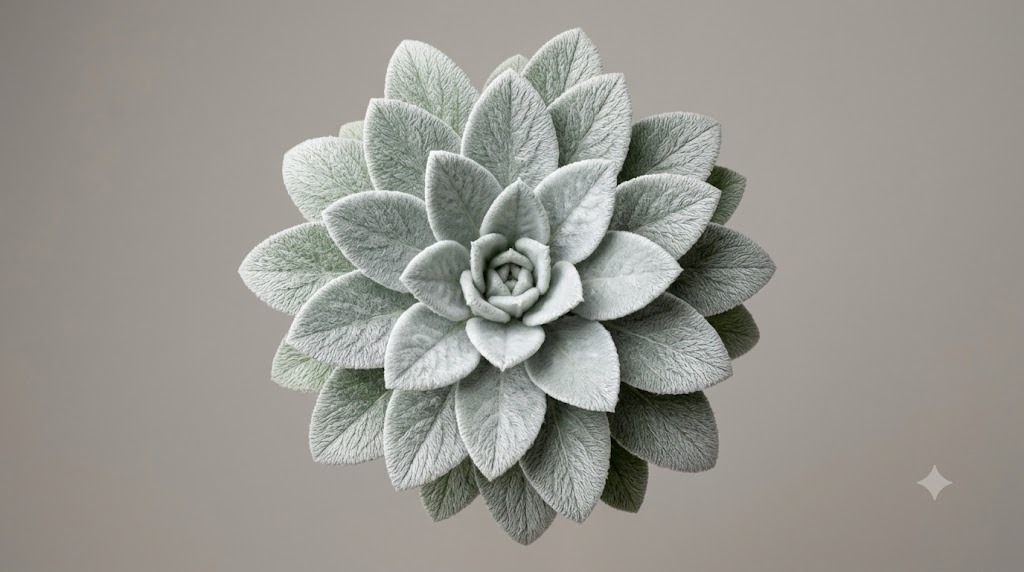
Lamb's Ear is the plant everyone reaches out to touch. Its leaves are thick, soft, and densely covered in fine silvery hairs, giving them a velvety, woolly texture that is genuinely irresistible to stroke - which is exactly why children call it "the petting plant." Grown almost entirely for that foliage rather than its flowers, it forms a low, spreading mat of silver-gray rosettes that lights up the front of a border and softens hard edges. It is a tough, undemanding, drought-tolerant perennial that asks only for sun and well-drained soil. Where it struggles is in wet ground and humid air, which rot the felted leaves. Get the position right, and lamb's ear is one of the easiest, most tactile, most kid-friendly plants you can grow.
Origin & Natural Habitat
Lamb's Ear, Stachys byzantina, is a member of the mint family (Lamiaceae) and comes from the dry, rocky, sunny hillsides of the Caucasus, Turkey, and the wider region of southwest Asia and the Middle East. In the wild it grows in poor, stony, free-draining ground baked by the sun. Those silvery hairs are an adaptation to that harsh, bright, dry environment - they reflect strong sunlight and reduce water loss from the leaves. Understanding this background tells you everything about how to grow it: it wants full sun, lean and gritty well-drained soil, and dryness. It is built for tough, dry conditions, and it actively dislikes the rich, wet, humid situations that suit many other garden plants.
Appearance
Lamb's Ear forms low, spreading rosettes of thick, oblong leaves, typically 8 to 12 cm long, that are densely coated on both sides with soft white hairs. This felting gives the whole plant a soft silver-gray, almost white, sheen and the unmistakable woolly, velvety feel. The plants knit together into a low, weed-suppressing mat usually 15 to 25 cm high. In early summer it sends up taller flower spikes, often 30 to 45 cm, that are also woolly and silver, carrying small purple-pink flowers tucked among the felted bracts. Many gardeners grow it purely for the foliage and cut these spikes off, as the flowers are modest and the spent stems can look untidy. The silver mat is the real attraction.
Why People Grow It - Qualities & Benefits
- Irresistibly soft foliage: the velvety, woolly leaves are wonderful to touch - a favorite with children.
- Silver-gray color: the foliage is a superb cool foil that sets off greens, purples, pinks, and bright flowers.
- Excellent groundcover: spreads into a low, dense mat that suppresses weeds and softens edges.
- Tough and drought-tolerant: thrives on neglect in hot, dry, poor soil once established.
- Deer and rabbit resistant: the woolly leaves are generally left alone by browsing animals.
- Easy to propagate: clumps divide effortlessly to make many new plants for free.
Care
Light & Position
Lamb's Ear needs full sun to look its best - at least six hours of direct sun a day. In full sun the foliage is densely silver, compact, and at its most velvety. In shade the plants grow looser and sparser, the silvering is weaker, and crucially the leaves stay damp and are far more likely to rot. A hot, bright, open position with good air movement is ideal. It is perfect along the front edge of a sunny border, a path, or a gravel area.
Soil
Good drainage is the single most important thing. Lamb's Ear wants light, well-drained, even poor and gritty soil, exactly like the stony hillsides it comes from. It tolerates dry, lean ground happily and is excellent for sandy or rocky soils and gravel gardens. What it cannot stand is heavy, wet, waterlogged soil, which rots the crown and the felted leaves. If your ground is heavy or damp, improve it with grit or plant on a raised, free-draining spot. Rich, moist soil tends to make soft, floppy growth that is prone to collapse.
Watering
This is a drought-tolerant plant, and the most common way to harm it is overwatering. Once established, it needs very little - natural rainfall is usually enough, and it copes well with dry spells. Water new plants while they settle in, then ease right off. Avoid wetting the foliage when you do water, as water sitting on the woolly leaves encourages rot and ugly brown patches. Water at the base, sparingly, and let the soil dry between waterings. When in doubt, give it less.
Feeding
Lamb's Ear thrives in poor soil and needs almost no feeding. Rich conditions and heavy feeding produce soft, lush, floppy growth that loses its tight silver character and is more prone to rotting and flopping open in the center. At most, a very light feed or thin mulch in spring is plenty, and even that is rarely necessary. Lean and hungry suits this plant far better than rich and pampered - treat it mean and it stays compact and silver.
Pruning
The main task is tidying. Many gardeners remove the flower spikes, either as they emerge (to keep a pure silver carpet) or after flowering once they fade, as the spent woolly stems look scruffy. Through the season, pull or trim away any leaves that have gone brown, slimy, or rotted, especially after wet weather, to keep the plant healthy and looking fresh. In late winter or early spring, clear away tatty, winter-damaged old foliage to make way for the clean new rosettes. It is light, easy maintenance rather than hard pruning.
Hardiness & Winter Care
Lamb's Ear is a hardy perennial, reliable across roughly USDA zones 4 to 8. Cold itself is rarely the problem - winter wet is. The felted leaves hold moisture and can rot in cold, damp, soggy winters, so sharp drainage matters more than any cold protection. Plants in well-drained soil come through winter far better than those sitting in heavy, wet ground. The foliage often looks battered by late winter; simply clear away the worst of it in spring and the plant pushes out fresh silver rosettes as growth resumes.
Planting & Propagation
Lamb's Ear is wonderfully easy to propagate by division, which is the usual method. In spring or early autumn, lift an established clump and pull or cut it into sections, each with roots and a few rosettes, then replant them - they establish readily. Because it spreads into a mat, you will often find rosettes around the edge that have rooted and can simply be detached and moved. Space plants around 30 cm apart and they will soon knit together. Plant in full sun and free-draining soil. It can also be grown from seed, but division is faster, easier, and keeps the plant true.
Common Problems & Pests
- Rot from wet and humidity: the main problem by far - in damp, humid, or wet conditions the felted leaves rot, turning brown, slimy, and collapsing. Sun, sharp drainage, airflow, and dry watering are the cure.
- Brown, melted leaves after rain: prolonged wet weather or overhead watering leaves ugly brown patches. Remove affected leaves and improve airflow.
- Bare, dying center: older clumps can die out in the middle and look ratty. Lift and divide them every few years to rejuvenate.
- Flopping in rich soil: overfed or shaded plants grow soft and flop open. Grow lean and in full sun.
- Spreading where unwanted: vigorous in good conditions, it can creep beyond its space; pull back the edges as needed.
- Slugs and snails: occasionally shelter under the dense mat in damp conditions, though the woolly leaves are not a favorite food.
Keeping it sunny, dry, and well-drained prevents almost every problem this plant has.
Toxicity & Safety
Non-toxic and pet-safe - lamb's ear is not poisonous to cats, dogs, or humans. It is not listed among the toxic garden plants and is a genuinely good choice for family and pet-friendly gardens. In fact, its soft, strokeable leaves make it a wonderful sensory plant for children, who love touching it - hence its "petting plant" nickname. There are no thorns or irritating sap to worry about. As with any ornamental, it is grown to look at and touch, not to eat, but there is no toxicity concern if a curious child or pet brushes against or nibbles it.
Pros & Cons
Pros
- Irresistibly soft, velvety, touchable foliage - a children's favorite.
- Beautiful silver-gray color that sets off other plants superbly.
- Tough, drought-tolerant, and thrives on neglect in poor, dry soil.
- Excellent low groundcover that suppresses weeds and softens edges.
- Deer and rabbit resistant; non-toxic and pet-safe.
Cons
- Rots readily in wet ground and humid climates.
- Foliage can look battered after heavy rain and through winter.
- Centers of old clumps die out and need dividing.
- Can spread more than wanted in good conditions.
- Flowers are minor and the spent spikes look untidy.
Best Suited For
- The front edge of sunny borders, paths, and gravel gardens.
- Hot, dry, free-draining spots where many plants struggle.
- Silver and cottage-style planting schemes and color contrasts.
- Sensory and children's gardens, for the touchable leaves.
- Low-maintenance, drought-tolerant, deer-resistant planting.
Not ideal for wet or heavy soils, humid climates, shady positions, or gardeners who want a plant grown for its flowers.
FAQ
Why is my lamb's ear turning brown and mushy? Almost always too much wet. The felted leaves hold moisture, and in damp, humid, or rainy conditions - or if watered overhead - they rot, turning brown, slimy, and collapsing. The fix is sun, sharp drainage, and good airflow: grow it in a hot, open, well-drained spot, water only at the base and sparingly, and remove any rotted leaves promptly to keep the plant healthy.
Should I cut off the flower spikes? That is up to you. Many gardeners remove the purple-pink flower spikes, either as they emerge to keep a clean silver carpet, or after they fade because the spent woolly stems look untidy. The flowers are fairly modest, and lamb's ear is grown mainly for its foliage, so cutting the spikes is a common and perfectly good choice. If you like the flowers or want to feed bees, you can leave them.
Is lamb's ear safe for children and pets? Yes. Lamb's Ear is non-toxic to cats, dogs, and people, and it is a great choice for family and pet-friendly gardens. Its wonderfully soft, velvety leaves actually make it a favorite sensory plant for children, who love to stroke it - which is why it is nicknamed "the petting plant." There are no thorns or irritating sap to worry about.
How do I propagate lamb's ear? Division is the easiest way. In spring or early autumn, lift an established clump and pull or cut it into sections, each with roots and a few rosettes, then replant them. Because the plant spreads into a mat, rooted rosettes around the edge can often simply be detached and moved. They establish readily, so one plant quickly becomes many for free.