Lupine (Lupinus spp.)
The Lupine is one of the most dramatic and beloved plants of the early-summer garden - a bold, architectural perennial that sends up tall, dense spires packed with pea-like flowers in some of the most vivid colors and color combinations in the plant world.
🗓️ Last reviewed: June 2026
Overview
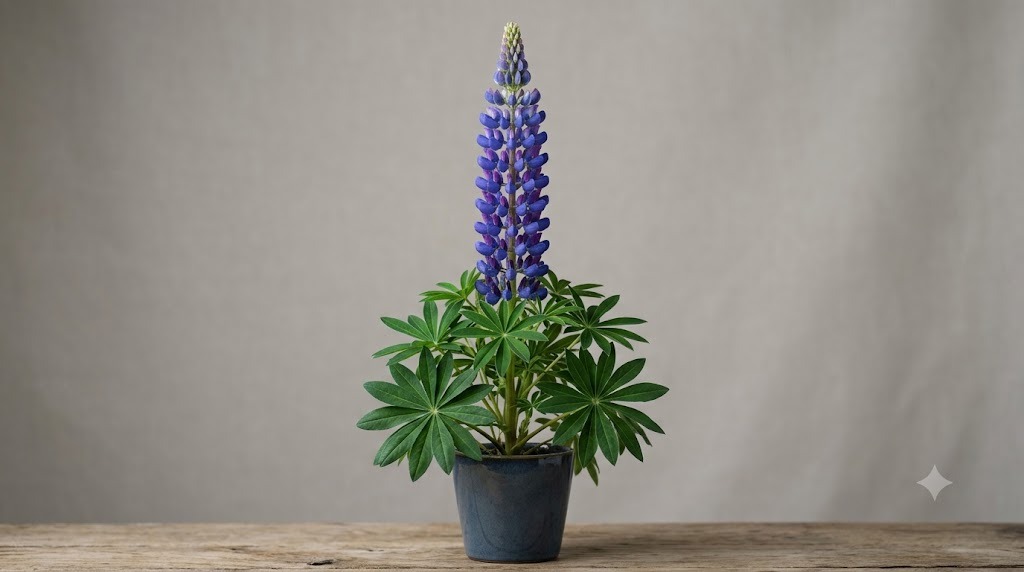
The Lupine is one of the most dramatic and beloved plants of the early-summer garden - a bold, architectural perennial that sends up tall, dense spires packed with pea-like flowers in some of the most vivid colors and color combinations in the plant world. Rising above handsome, hand-shaped leaves, the flower spikes come in blue, purple, pink, red, yellow, white, and striking bicolors, creating a candle-flame effect that defines the classic cottage garden border. Lupines are short-lived but generous perennials, beloved for their vertical drama, their early-summer timing, and their value to bees. As members of the legume family, they even improve the soil. For sheer impact in June, few plants rival a stand of lupines in full bloom.
Origin & Natural Habitat
Lupines (genus Lupinus) are a large group native mainly to the Americas, with important species in western North America, and others in the Mediterranean region. They grow wild in meadows, prairies, open hillsides, coastal areas, and disturbed ground, often in poor, sandy, well-drained soils. Many of today's spectacular garden lupines are derived from North American species, especially through the famous Russell hybrids. As legumes, lupines naturally fix nitrogen from the air, allowing them to thrive in lean soils. Their origins in open, sunny, free-draining habitats explain their garden needs: full sun, good drainage, and a dislike of rich, heavy, or limy soil.
Appearance
Lupines form bold clumps of distinctive palmate (hand-shaped) leaves, each divided into radiating finger-like leaflets that catch raindrops beautifully. In early summer, strong, upright stems rise well above the foliage carrying dense, conical spikes densely packed with individual pea-like flowers, opening from the bottom upward. The flower spikes can be 30 to 60 cm long and come in an outstanding range of solid colors and bicolors. Garden lupines typically reach 0.6 to 1.2 m tall in flower. The combination of the architectural leaves and the tall, colorful candles makes them one of the most instantly recognizable and statuesque plants in the early-summer border.
Why People Grow It - Qualities & Benefits
- Dramatic vertical spires: bold, architectural flower spikes for height and impact.
- Stunning colors: vivid solids and bicolors in a huge range.
- Early-summer timing: flower in late spring and early summer, bridging the seasons.
- Pollinator value: the flowers are alive with bees.
- Improves the soil: as legumes, they fix nitrogen.
- Classic cottage-garden character: quintessential romantic border plants.
Care
Light & Position
Lupines need full sun for the best flowering and the sturdiest, most upright spikes - at least six hours of direct sun a day. They tolerate very light shade but flower less well and grow weaker and floppier in too much shade. An open, sunny position also provides the good air circulation that helps reduce the powdery mildew lupines can suffer from.
Soil
Lupines prefer well-drained, light, slightly acidic to neutral soil and famously dislike rich, heavy clay and alkaline (limy) soils, which can cause poor growth and chlorosis. Reflecting their legume nature, they do not need fertile ground and actually perform well in lean, sandy soils. Sharp drainage is essential, especially over winter, as they are prone to rotting in wet, heavy ground.
Watering
Keep lupines moderately moist, particularly while establishing and during the flowering season, but avoid waterlogging. They have reasonable drought tolerance once established thanks to a deep taproot, but they flower best with steady moisture during the growing season. Water at the base to keep the foliage dry and reduce the risk of powdery mildew.
Feeding
Lupines need little or no feeding. As nitrogen-fixing legumes, they make much of their own nitrogen, and feeding them - especially with high-nitrogen fertilizer - produces lush, soft, floppy foliage at the expense of flowers. A light spring mulch is enough; avoid rich feeding, which works against them.
Pruning
Deadheading is the key task: remove the spent flower spikes as they fade to encourage a second, smaller flush of blooms later in the season and to prevent excessive self-seeding. Cut the main spike off just above a leaf once most of its flowers have gone over. In late autumn or late winter, cut the old foliage and stems down to tidy the clump. Leaving a few seed heads allows some self-seeding if desired.
Hardiness & Winter Care
Lupines are hardy perennials, with many garden types reliable to around USDA zone 4. They are herbaceous, dying back in winter and resprouting in spring. The main winter risk is wet soil rather than cold, so sharp drainage is the best winter protection. They are naturally short-lived perennials, often lasting only a few years, particularly in less-than-ideal conditions, so periodic replacement from seed or cuttings keeps a display going.
Planting & Propagation
Plant lupines in spring or autumn in a sunny, well-drained spot, giving them room as they form bold clumps. They have a deep taproot and resent root disturbance, so they do not divide well; instead, they are usually raised from seed (soaking or scarifying the hard seed coat helps germination) or propagated from basal cuttings taken in spring, which is the way to keep named color forms true. Seed-grown plants, especially hybrids, may vary in color. Because they are short-lived, raising a few new plants periodically is worthwhile.
Common Problems & Pests
- Lupin aphid: a large, distinctive aphid that can quickly infest the flower spikes and foliage in dense colonies - hose off, squash, or treat promptly, as heavy infestations weaken plants.
- Powdery mildew: white powdery coating on leaves, worst in dry, crowded, or stressed conditions.
- Slugs and snails: can severely damage young plants and fresh spring shoots - a major problem for emerging lupines.
- Crown and root rot: in heavy, wet, or poorly drained soil.
- Short lifespan: plants naturally decline after a few years.
- Chlorosis (yellowing): on alkaline or limy soils, which lupines dislike.
Full sun, sharp drainage, and protecting young shoots from slugs prevent most problems.
Toxicity & Safety
Toxic to humans, pets, and livestock if eaten - especially the seeds. Lupines contain alkaloids that can be poisonous if consumed, with the seeds (which look like beans) being the most concentrated and dangerous part. They can cause symptoms ranging from stomach upset to more serious effects in pets and livestock. While ornamental garden lupines are not eaten and serious cases are uncommon, it is important to keep children and pets from eating any part, especially the seedpods. (Note: certain agricultural lupin species are specially processed for food, but garden ornamentals should never be eaten.) This is a display plant only.
Pros & Cons
Pros
- Dramatic, architectural flower spires for vertical impact.
- Outstanding range of vivid colors and bicolors.
- Early-summer flowering, bridging spring and summer.
- Excellent for bees; fixes nitrogen to improve soil.
- Classic cottage-garden character.
Cons
- Toxic if eaten, especially the seeds.
- Short-lived perennials needing periodic replacement.
- Prone to lupin aphid, powdery mildew, and slug damage.
- Dislike rich, heavy, or limy (alkaline) soil.
- Resent root disturbance, so do not divide well.
Best Suited For
- Cottage gardens and classic mixed borders.
- Adding vertical drama and bold color to early-summer beds.
- Sunny, well-drained, neutral to acidic soils.
- Pollinator and wildlife gardens.
- Gardeners wanting statuesque, romantic flower spires.
Not ideal for alkaline or heavy wet soils, shady gardens, slug-plagued plots without protection, or homes where children or pets may eat the seedpods.
FAQ
Why are my lupine leaves and flower spikes covered in large aphids? That is the lupin aphid, a big, distinctive aphid that specifically targets lupines and can build up into dense colonies very quickly, weakening the plant. Tackle it promptly by hosing them off, squashing them, or treating the plant, and check regularly through the season, as infestations can escalate fast.
Do lupines come back every year? Yes, lupines are hardy perennials, but they are naturally short-lived, often lasting only a few years, especially in less-than-ideal conditions. They do self-seed, and you can raise new plants from seed or cuttings, so it is worth periodically replacing them to keep a strong display going.
Why are my lupines not flowering well or looking yellow? Two common causes. Yellowing (chlorosis) often means the soil is too alkaline or limy, which lupines dislike - they prefer neutral to slightly acidic soil. Poor flowering with lush leafy growth usually means too much feeding or too much shade. Give them full sun, well-drained neutral to acidic soil, and do not feed heavily.
Are lupines safe for pets and children? No - lupines are toxic if eaten, and the seeds, which look like beans, are the most dangerous part. Keep children, pets, and livestock from eating any part, especially the seedpods. Garden ornamental lupines should never be eaten.
Should I deadhead lupines? Yes. Removing the spent flower spikes as they fade encourages a second, smaller flush of blooms later in the season and stops the plant putting all its energy into seed. Cut the spike off just above a leaf once most of its flowers have gone over. Leave a few if you want some self-seeding.