Primrose (Primula)
The Primrose is one of the best-loved harbingers of spring - a low rosette of crinkled leaves studded with cheerful flowers just as winter loosens its grip.
🗓️ Last reviewed: July 2026
Overview
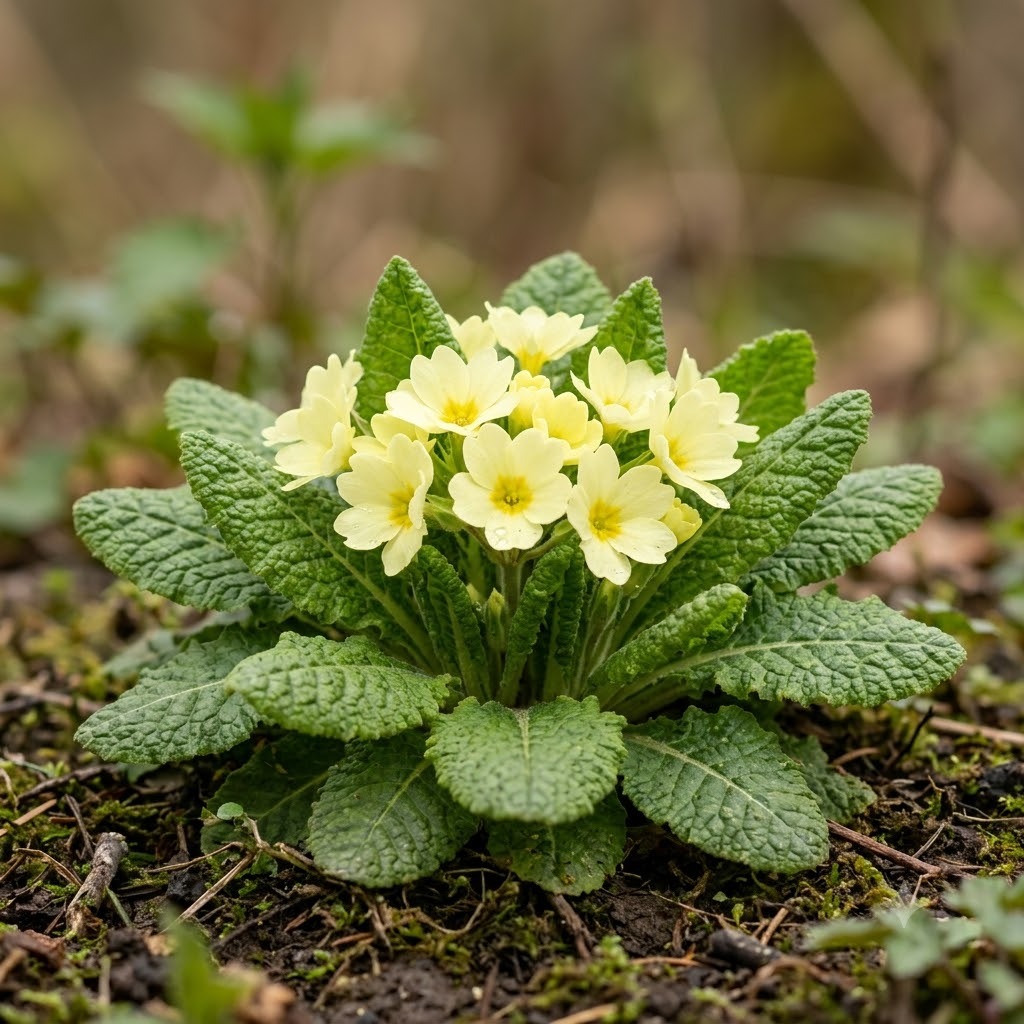
The Primrose is one of the best-loved harbingers of spring - a low rosette of crinkled leaves studded with cheerful flowers just as winter loosens its grip. The classic wild primrose bears soft pale-yellow blooms, but garden primulas come in almost every colour imaginable, from creamy whites and pinks to vivid reds, purples, and blues. They are quintessential cottage-garden and woodland plants, thriving in the cool, moist, part-shaded conditions found at the edge of trees and along stream banks. Compact, early, and generous, primroses bring welcome colour to the front of borders, containers, and shady corners when the garden most needs cheering up. The genus is huge and varied, so there is a primula for almost every damp, cool spot.
Origin & Natural Habitat
Primula is a large genus of well over 400 species, spread across the temperate Northern Hemisphere, with great richness in the mountains of Europe and Asia, especially the Himalayas. In the wild, primroses typically grow in cool, moist, humus-rich ground - on woodland floors, along stream and ditch banks, in damp meadows, and in mountain grassland. This habitat explains their garden needs precisely: dappled shade or gentle morning sun, soil that stays reliably moist, and cool conditions. They dislike hot, dry, baking sites. Knowing they are cool-woodland and streamside plants is the surest guide to placing them well.
Appearance
Most primroses form a low, ground-hugging rosette of crinkled, tongue-shaped leaves, from which the flowers rise in early spring. The common primrose (Primula vulgaris) carries its flat, five-petalled flowers singly on short stalks, while others, like polyanthus and cowslips, hold clusters of flowers atop taller stems. Flower colour spans the whole spectrum, usually with a contrasting eye at the centre. The genus is enormous and diverse: besides the familiar bedding primroses and polyanthus, there are elegant candelabra primulas with tiered whorls of flower, drumstick primulas with round flower heads on tall stems, and many alpine and bog types. Heights range from a few centimetres for compact bedders to over half a metre for the tall candelabra kinds.
Why People Grow It - Qualities & Benefits
- Early spring colour: among the first flowers to brighten the garden after winter.
- Huge range of colours and types: from the pale wild primrose to vivid modern bedders and elegant species.
- Shade-friendly: ideal for cool, part-shaded spots where many flowers struggle.
- Compact and versatile: perfect for border fronts, containers, and woodland gardens.
- Cottage-garden charm: a classic, nostalgic, easy-going plant.
- Pollinator value: early flowers offer nectar to bees and early insects.
Care
Light & Position
Most primroses prefer dappled or part shade, or gentle morning sun with shade from harsh midday heat. In cool climates they take more sun, but everywhere they resent hot, dry, exposed positions. A cool spot under deciduous trees or on the shady side of a border suits them well.
Soil
They want moist, humus-rich, well-drained soil enriched with plenty of leaf mould or compost. The soil should hold moisture but not become stagnant. Bog and candelabra primulas want reliably wet ground; most bedding primroses want moist but not waterlogged soil.
Watering
Keep the soil consistently moist, especially in spring growth and during dry spells - this is the most important part of primrose care. They wilt and suffer quickly in dry soil. Do not let them bake dry, but avoid standing water around the crown for the non-bog types.
Feeding
Primroses are not heavy feeders. A mulch of leaf mould or compost keeps the soil cool, moist, and gently fed. A light general feed in spring supports flowering, but rich feeding is not needed.
After Flowering & Dividing
Deadhead spent blooms to tidy the plant. Lift and divide congested clumps every few years, ideally just after flowering, to keep them vigorous and to increase your stock. Many bedding primroses fade or are treated as short-lived; species and hardy perennials can live for years.
Hardiness & Winter Care
Most hardy primroses cope well with cold and need no special winter protection, though the exact hardiness varies by species. Good drainage in winter helps prevent crown rot. In hot regions, summer heat is a bigger threat than winter cold.
Planting & Propagation
Plant primroses in autumn or spring in cool, moist, part-shaded soil enriched with organic matter, spacing them to allow airflow. The easiest way to increase perennial primroses is by division - lift established clumps just after flowering, split them into pieces each with roots and a growing point, and replant immediately. Many species can also be grown from seed, though fresh seed and cool conditions help germination. Some, such as certain auriculas, are increased by offsets. Dividing every few years keeps plants young and floriferous.
Common Problems & Pests
- Drying out / heat stress: the most common failure - wilting and decline in hot, dry soil. Keep them cool and moist.
- Crown and root rot: in waterlogged winter soil, especially with poor drainage.
- Vine weevil: grubs eat the roots, particularly in containers, causing sudden collapse.
- Slugs and snails: enjoy the tender leaves and flowers, especially in damp shade.
- Aphids and red spider mite: can trouble stressed or indoor-grown plants.
- Botrytis (grey mould): in cool, damp, crowded conditions.
Most problems trace back to soil that is too dry, too hot, or too wet - matching their cool, moist woodland preferences prevents most trouble.
Toxicity & Safety
Mildly toxic to cats and dogs, and may irritate skin. Primula is generally regarded as only mildly toxic if eaten, potentially causing mild stomach upset in pets. More notably, some primroses (particularly Primula obconica) contain a compound called primin that can cause contact dermatitis - an itchy skin rash - in sensitive people who handle the foliage. Wear gloves if you are prone to skin reactions. Overall the plant is a low-level hazard rather than a serious poison.
Pros & Cons
Pros
- Very early spring flowers in a huge range of colours.
- Thrive in cool, part-shaded spots where many plants fail.
- Compact and versatile for borders, pots, and woodland.
- Easy to divide and increase.
- Classic cottage-garden and pollinator-friendly charm.
Cons
- Dislike hot, dry, exposed positions.
- Need consistently moist soil.
- Some bedding types are short-lived.
- Prone to slugs, snails, and vine weevil.
- Certain species can irritate sensitive skin.
Best Suited For
- Woodland gardens and shady, moist borders.
- Front-of-border edging in cool, part-shaded beds.
- Containers and window boxes in shade (kept watered).
- Stream and pond margins (bog and candelabra types).
- Cottage gardens and spring bedding displays.
Not ideal for hot, dry, sun-baked gardens, drought-prone soils, or gardeners who cannot water regularly.
FAQ
When do primroses flower? Mainly in early spring, among the first flowers of the year, though some polyanthus and bedding types can start in late winter and a few species flower later. They bring welcome colour just as winter ends.
Why is my primrose wilting or dying in summer? Almost always heat and dryness. Primroses are cool-woodland plants that hate hot, dry conditions. Move them to cooler part shade, keep the soil consistently moist, and mulch to keep the roots cool.
How do I keep primroses coming back each year? Choose hardy perennial types (rather than short-lived bedders), keep them cool and moist, deadhead them, and lift and divide congested clumps every few years just after flowering to keep them vigorous.
Are primroses safe for pets? They are considered mildly toxic and may cause mild stomach upset if eaten by cats or dogs. Some types can also cause an itchy skin rash in sensitive people, so wear gloves if you react to plants.
Do primroses need sun or shade? Most prefer dappled or part shade, or gentle morning sun. They dislike hot midday sun and dry, exposed sites, thriving instead in the cool, moist conditions of a woodland edge.