Ranunculus (Ranunculus asiaticus)
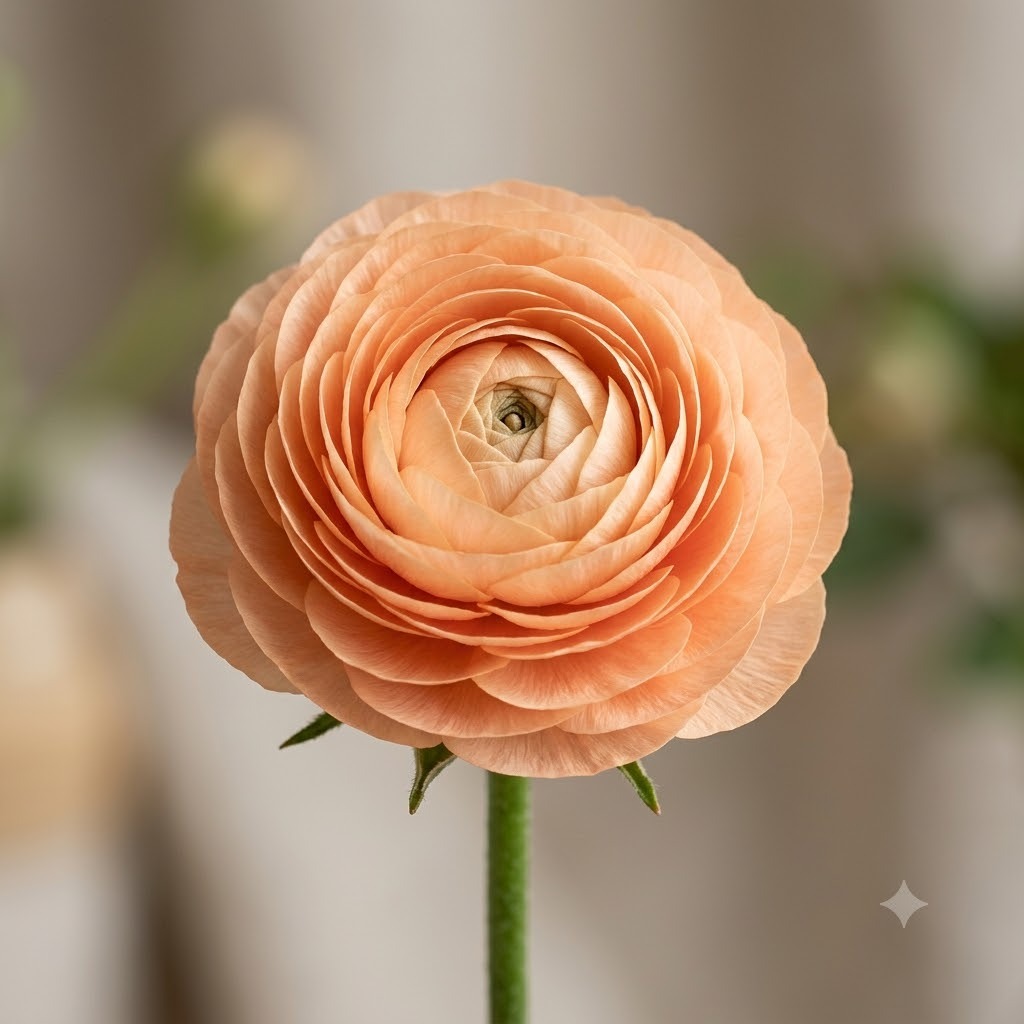
The Ranunculus, often called the Persian Buttercup, produces some of the most exquisite flowers in the entire garden - dense, many-layered blooms of tissue-thin petals that look like a cross between a rose, a peony, and a paper flower.
🗓️ Last reviewed: July 2026
Overview
The Ranunculus, often called the Persian Buttercup, produces some of the most exquisite flowers in the entire garden - dense, many-layered blooms of tissue-thin petals that look like a cross between a rose, a peony, and a paper flower. They come in a glorious range of colours, from soft pastels to hot, saturated shades, held on slender stems above ferny foliage. Ranunculus are cool-season plants grown from small claw-shaped corms; they flower gorgeously in spring, are unrivalled as a cut flower with a long vase life, and then die back as the weather warms. Give them cool growing conditions, well-drained soil, and a bright spot, and they reward you with an armful of the most romantic blooms imaginable.
Origin & Natural Habitat
Ranunculus asiaticus is native to the eastern Mediterranean, southwest Asia, and parts of North Africa - a region of mild, wet winters and hot, dry summers. In the wild it grows and flowers in the cool, moist part of the year, then dies back to its corm to survive the hot, dry summer dormant. This Mediterranean rhythm is the key to growing it well: it is a cool-season plant that hates summer heat while in active growth. In mild-winter climates the corms are planted in autumn for late-winter and spring bloom; in colder climates they are planted in late winter or early spring, or protected over winter, for a spring display.
Appearance
Ranunculus grow from small, distinctive claw- or spider-shaped corms with several finger-like tubers. From these emerge low mounds of divided, ferny, fresh-green foliage, followed by slender upright stems each carrying one or more spectacular flowers. The blooms are the star: rounded and fully double, packed with dozens of delicate, crinkled, tissue-paper petals that unfurl in concentric layers. Colours span white, cream, pale peach and apricot, soft pink, bright yellow, orange, red, and rich burgundy and purple, sometimes with picotee edging. Most garden and cut-flower ranunculus reach around 30-45 cm tall. The overall effect is delicate, romantic, and almost impossibly full.
Why People Grow It - Qualities & Benefits
- Exquisite layered blooms: dense, rose-like, tissue-paper flowers of unmatched beauty.
- Superb cut flower: long vase life and a florist favourite for spring bouquets.
- Wide colour range: from soft pastels to vivid, saturated shades.
- Long spring display: a succession of blooms over several weeks in cool weather.
- Compact and container-friendly: ideal for pots, raised beds, and cutting rows.
- Elegant foliage: ferny green leaves set off the flowers beautifully.
Care
Light & Position
Ranunculus want full sun (or bright light) while flowering, but they need cool conditions to thrive - they perform best in the cool of spring and dislike heat. In warm climates a spot with some protection from strong afternoon sun as temperatures climb helps prolong the display.
Soil
Give them fertile, well-drained soil enriched with compost. Good drainage is essential, as the corms rot readily in cold, wet, waterlogged ground. Raised beds and containers with free-draining mix suit them well.
Watering
After planting the soaked corms, keep the soil lightly moist but not soggy until shoots appear, then water regularly through the growing and flowering season, always letting excess drain away. As the plants finish flowering and the foliage begins to yellow, reduce watering to let them enter dormancy dry.
Feeding
Feed lightly through the growing season with a balanced fertilizer to support strong stems and repeated flowering. Over-rich feeding is unnecessary; steady moderate feeding gives the best flower production.
Grooming
Deadhead or, better still, cut the flowers for the vase regularly - the more you pick, the more the plant produces. Cutting just as the buds are colouring and starting to open gives the longest vase life. Remove yellowing foliage as the plants go dormant.
Hardiness & Winter Care
Ranunculus corms are only half-hardy and are damaged by hard frost. In mild-winter climates they can be planted in autumn to overwinter and flower early, sometimes with a little protection in cold snaps. In cold-winter regions, either plant in late winter or early spring for a spring show, or lift and store the corms: once the foliage has died back after flowering, dig up the corms, dry them, and keep them somewhere cool and dry until the next planting season.
Planting & Propagation
Before planting, soak the dry claw-shaped corms in water for a few hours to plump them up (do not soak too long, or they may rot), then plant them "claws down", a few centimetres deep, in well-drained soil or pots. Timing depends on climate: autumn in mild areas, late winter to early spring where winters are cold. The main way to propagate ranunculus is by lifting and dividing the corms during dormancy - each season a corm multiplies into a cluster that can be separated. They can also be grown from seed, but this is slower and less predictable than growing from corms.
Common Problems & Pests
- Corm rot: the most common problem, caused by cold, wet, poorly drained soil or over-soaking the corms - ensure sharp drainage and do not overwater.
- Powdery mildew: a white coating on leaves in poor airflow or as the weather warms - improve air circulation.
- Aphids: cluster on buds and soft growth - hose off or squash.
- Slugs and snails: can damage young shoots and foliage.
- Early collapse in heat: as temperatures rise, growth and flowering fade quickly - this is natural dormancy, not a disease.
Toxicity & Safety
Mildly toxic and irritant. Like other members of the buttercup family, ranunculus contains compounds (protoanemonin) that can irritate. Eating the plant can cause mouth and stomach irritation and drooling in pets and people, and the fresh sap can irritate sensitive skin on contact. It is best to keep pets and children from chewing the plant and to wear gloves if you have sensitive skin when handling corms or cutting stems.
Pros & Cons
Pros
- Exquisite, dense, rose-like blooms.
- Outstanding, long-lasting cut flower.
- Wide range of soft and vivid colours.
- Compact and excellent in pots and cutting beds.
- Lovely ferny foliage.
Cons
- Cool-season only - fades fast in heat.
- Corms rot in cold, wet, poorly drained soil.
- Only half-hardy - needs protection or lifting in cold winters.
- Mildly toxic and can irritate skin.
- Short overall season compared with summer perennials.
Best Suited For
- Cutting gardens and anyone wanting an armful of spring blooms.
- Containers, raised beds, and cool-season borders.
- Mild-winter climates where they can overwinter for early flowers.
- Gardeners who enjoy the seasonal rhythm of spring bulbs and corms.
Not ideal for hot summer gardens expecting year-round flowers, heavy wet soils without improved drainage, or gardeners wanting a permanent, care-free perennial.
FAQ
Do I need to soak ranunculus corms before planting? Yes - soaking the dry claw-shaped corms in water for a few hours helps them plump up and sprout faster. Do not soak too long, though, as prolonged soaking can cause rot. Plant them claws down.
Why did my ranunculus die back so quickly? Ranunculus are cool-season plants. As the weather warms, they naturally finish flowering and go dormant. This is normal - it is not a disease. Enjoy them in spring and let them rest through summer.
Are ranunculus good cut flowers? Excellent - they are a florist favourite with a long vase life. Cut them just as the buds are colouring and starting to open, and the more you pick, the more the plant produces.
Are ranunculus poisonous? They are mildly toxic. Like other buttercups, they can cause mouth and stomach irritation if eaten, and the sap can irritate sensitive skin. Keep pets and children from chewing them and wear gloves if needed.
When should I plant ranunculus? In mild-winter climates, plant corms in autumn for late-winter and spring flowers. In cold-winter regions, plant in late winter or early spring, or protect them over winter, for a spring display.