Shasta Daisy (Leucanthemum x superbum)
The Shasta Daisy is the quintessential garden daisy - the cheerful, crisp, white-and-gold flower that says summer like nothing else.
🗓️ Last reviewed: June 2026
Overview
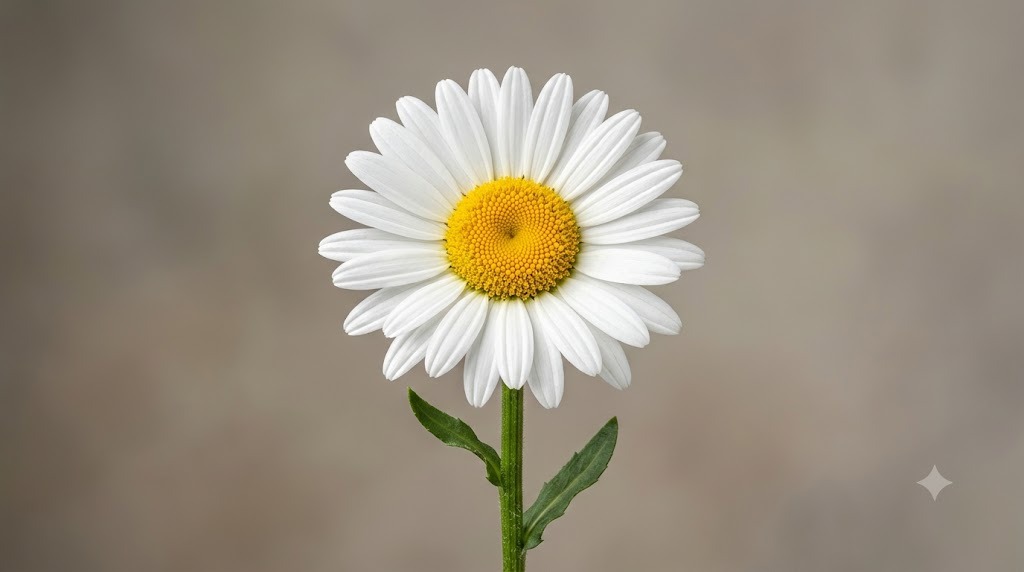
The Shasta Daisy is the quintessential garden daisy - the cheerful, crisp, white-and-gold flower that says summer like nothing else. With its bright white petals radiating around a sunny yellow center, held on sturdy stems above tidy clumps of dark green foliage, it is a picture of simple, classic charm. Shasta daisies are easy, reliable, long-flowering perennials that bloom for weeks through the summer, make superb cut flowers, and draw in butterflies and bees. They are one of the great backbone plants of the cottage garden and the sunny border - dependable, undemanding, and endlessly cheerful. For anyone wanting a fuss-free perennial with timeless appeal, the Shasta daisy is a perfect starting point.
Origin & Natural Habitat
The Shasta daisy is not a wild species but a hybrid, Leucanthemum x superbum, created by the American plant breeder Luther Burbank in the late 1800s by crossing several daisy species, including the European oxeye daisy and others from the Mediterranean and beyond. It was named after the snow-white slopes of Mount Shasta in California. Its parent species are sun-loving plants of European and Mediterranean meadows and grasslands. This ancestry explains its needs: full sun, ordinary well-drained soil, and good hardiness, with the toughness and adaptability of its meadow-dwelling forebears.
Appearance
Shasta daisies form neat, spreading clumps of glossy, dark green, lance-shaped, slightly toothed leaves. In summer they send up strong, upright stems topped with the classic daisy flower: a single ring (or in some varieties several rings) of pure white ray petals surrounding a flat, golden-yellow central disc. There are also varieties with frilled, double, or shaggy petals, and some with creamy or pale yellow tones, but the clean white-and-gold single is the iconic form. Plants generally grow 45 to 90 cm tall depending on the variety, with the flowers held well above the foliage on sturdy stems, making them ideal for cutting.
Why People Grow It - Qualities & Benefits
- Classic, cheerful flowers: the iconic white-and-gold daisy of the summer garden.
- Long flowering season: weeks of bloom through summer, especially with deadheading.
- Easy and reliable: tough, undemanding, and beginner-friendly.
- Excellent cut flowers: sturdy stems and long vase life.
- Pollinator value: the open flowers are a magnet for bees and butterflies.
- Versatile: perfect for borders, cottage gardens, and cutting beds.
Care
Light & Position
Shasta daisies flower best in full sun, needing at least six hours of direct light a day for abundant blooms and sturdy, upright growth. They will tolerate light afternoon shade, especially in hot climates, but in too much shade they flower less and grow floppy and weak. An open, sunny position gives the best display.
Soil
They are not fussy about soil but do best in moderately fertile, well-drained ground. Good drainage is important, as Shasta daisies dislike heavy, wet soil, particularly over winter when waterlogging can cause the crowns to rot. Improving heavy soils with compost and grit helps; they tolerate a range of soils as long as drainage is reasonable.
Watering
Keep Shasta daisies moderately moist, especially while establishing and during dry spells in the flowering season. They have reasonable drought tolerance once established but flower best with steady moisture. Avoid both extremes - prolonged drought reduces flowering, while constantly wet soil risks crown rot. Water at the base to keep the foliage dry.
Feeding
Shasta daisies are light to moderate feeders. A spring application of compost or a balanced general fertilizer as growth begins is generally enough for a good display. Avoid heavy feeding with high-nitrogen fertilizer, which encourages lush, floppy foliage at the expense of flowers. A spring mulch helps conserve moisture and feed the soil.
Pruning
Deadheading is the key task: regularly remove spent flowers through the season to encourage a longer, more abundant display and to keep the plants tidy. After the main flush of flowering, cutting the plants back can sometimes prompt a second, lighter bloom. In late autumn or late winter, cut the old foliage and stems down to the ground to tidy the clump before the new spring growth emerges.
Hardiness & Winter Care
Shasta daisies are hardy perennials, reliable to around USDA zone 5. They are herbaceous, dying back in winter and resprouting in spring. The main winter risk is wet soil rather than cold, so good drainage is the best winter protection. In very cold regions a light mulch over the crown gives extra insurance. They can be relatively short-lived perennials, so regular division helps keep them vigorous.
Planting & Propagation
Plant Shasta daisies in spring or early autumn in a sunny, well-drained spot, spacing them to allow for their spreading clumps. They benefit greatly from being lifted and divided every two to three years in spring - this keeps the clumps vigorous and floriferous, prevents them dying out in the center, and provides plenty of free new plants. They can also be grown from seed (species and some varieties), and named cultivars are best maintained by division to keep them true.
Common Problems & Pests
- Crown and root rot: in heavy, wet, or poorly drained soil, especially over winter - the most common cause of losses.
- Aphids: can cluster on buds and new growth - hose off or tolerate, as predators help.
- Slugs and snails: may damage fresh spring shoots and young plants.
- Leaf spot: fungal spotting of the foliage in damp, crowded conditions - improve airflow and remove affected leaves.
- Flopping: tall types in shade or rich soil may sprawl and need support or division.
- Declining clumps: old, undivided clumps die out in the center - regular division prevents this.
Good drainage, full sun, and dividing every few years prevent most problems.
Toxicity & Safety
Generally considered non-toxic to cats, dogs, and humans. Shasta daisies are not listed among the dangerously poisonous garden plants and are widely grown in family and pet-friendly gardens. As with many plants, eating large quantities could cause mild stomach upset in pets, so it is sensible to discourage nibbling. They are grown purely as ornamental and cut flowers, not for eating. (Some related daisy-family plants differ in toxicity, but the true Shasta daisy is considered safe.)
Pros & Cons
Pros
- Classic, cheerful, instantly recognizable flowers.
- Long summer flowering season with deadheading.
- Easy, reliable, and beginner-friendly.
- Superb, long-lasting cut flowers.
- Pollinator-friendly and non-toxic.
Cons
- Can be short-lived without regular division.
- Dislikes wet, heavy soil; prone to crown rot in waterlogged ground.
- Tall types may flop and need support.
- Need full sun for the best flowering.
- Old clumps die out in the center if not divided.
Best Suited For
- Sunny borders and cottage gardens.
- Cutting gardens.
- Pollinator and wildlife planting.
- Mixed perennial borders for classic summer color.
- Beginner gardeners wanting reliable, easy flowers.
Not ideal for shady gardens, heavy wet soils, or gardeners unwilling to divide clumps every few years.
FAQ
How do I get my Shasta daisies to flower longer? Deadhead them regularly. Removing the spent flowers as they fade encourages the plant to keep producing new blooms, extending the display for weeks. Cutting the plants back after the main flush can also prompt a second, lighter bloom later in the season.
Why are my Shasta daisies dying out in the middle? This is the classic sign of an old clump that needs dividing. Shasta daisies can be relatively short-lived and tend to die out in the center over time. Lift and divide the clump every two to three years in spring, replanting the vigorous outer sections, and they will stay healthy and floriferous.
Do Shasta daisies come back every year? Yes, they are hardy perennials that die back in winter and return each spring. They can be somewhat short-lived, however, so dividing them regularly keeps them vigorous and ensures they keep coming back reliably year after year.
Are Shasta daisies safe for pets? Yes, they are generally considered non-toxic to cats and dogs. As with any plant, it is best to discourage pets from eating large amounts, which could cause mild stomach upset, but they are widely grown in pet-friendly gardens.
Why are my Shasta daisies flopping over? Flopping is usually caused by too much shade, overly rich soil, or simply tall varieties needing support. Give them full sun, avoid heavy feeding, divide overgrown clumps, and stake the taller types if needed for sturdy, upright plants.