Viburnum (Viburnum spp.)
Viburnum is one of the most useful and rewarding groups of garden shrubs there is - a large, varied genus of around 150 species that includes some of the best all-round plants you can grow.
🗓️ Last reviewed: June 2026
Overview
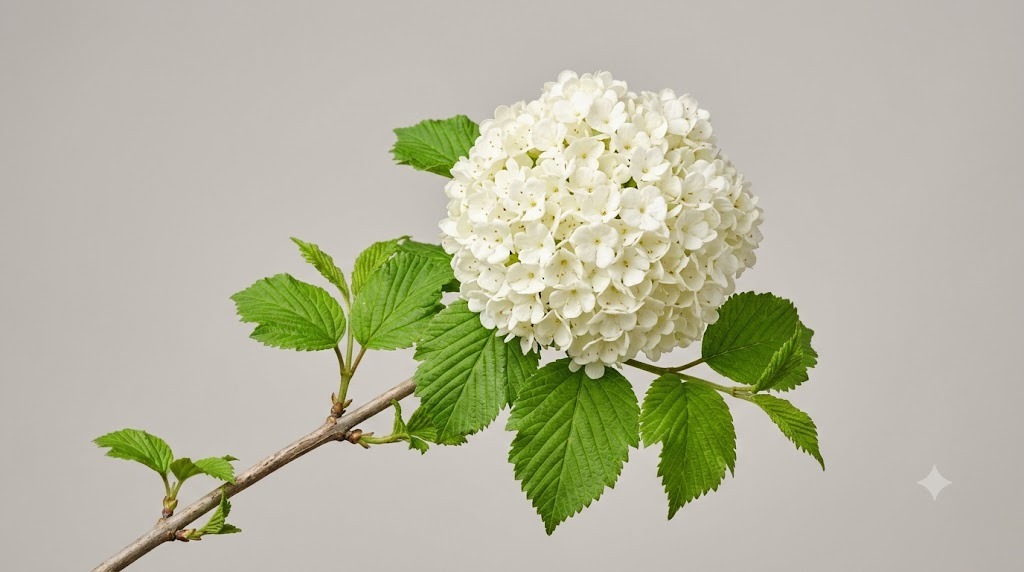
Viburnum is one of the most useful and rewarding groups of garden shrubs there is - a large, varied genus of around 150 species that includes some of the best all-round plants you can grow. Depending on the type, viburnums give you generous clusters of white or pink spring flowers, some of them powerfully fragrant, dense and attractive foliage that can colour beautifully in autumn, and bright berries that feed the birds. The famous "snowball" viburnums carry rounded heads of bloom like balls of white; the Korean spice viburnum perfumes a whole garden; and many berry-producing kinds add colour and wildlife value well into autumn. Easy in sun to part shade, undemanding once established, and available in evergreen and deciduous forms for almost any spot, viburnums are honest, hard-working shrubs that earn their place several times over.
Origin & Natural Habitat
Viburnums are a widespread genus native across the temperate Northern Hemisphere and into parts of South America and Southeast Asia, with major centres of diversity in Asia and North America. Different species come from different habitats, but many grow naturally at the edges of woodland, in thickets, hedgerows, and on open slopes - places with reasonable light, decent moisture, and good soil. Viburnum opulus, the guelder rose, is a European and Asian native of damp woods and hedgerows; Viburnum carlesii, the Korean spice viburnum, hails from Korea and Japan. This woodland-edge heritage is the key to growing them: most viburnums are happy in sun or part shade, like a moisture-retentive but not waterlogged soil, and appreciate conditions that are neither baking dry nor deeply shaded.
Appearance
Viburnums vary widely, which is part of their appeal, but they share a family character. Most are rounded, bushy, multi-stemmed shrubs ranging from compact types around a metre tall to large specimens of three or four metres, with some used almost as small trees or hedges. The leaves may be deciduous or evergreen depending on species - often handsome, sometimes deeply veined or lobed, and in many deciduous kinds turning rich red and purple in autumn. The flowers come in flattened or rounded clusters in white or pink, ranging from the showy sterile "snowball" heads to the flat lacecap-like heads of guelder rose and the rounded, intensely fragrant domes of Korean spice viburnum. Many forms follow their flowers with clusters of red, blue-black, or yellow berries that ripen in late summer and autumn.
Why People Grow It - Qualities & Benefits
- Beautiful spring flowers: white or pink clusters, from snowball domes to flat lacecaps.
- Wonderful fragrance: the Korean spice types perfume the whole garden in spring.
- Berries for wildlife: many forms set berries that feed birds and add colour.
- Autumn colour: deciduous kinds often turn rich red and purple in fall.
- Sun or part shade: adaptable and easy in most ordinary garden positions.
- Versatile and tough: evergreen and deciduous forms for hedging, borders, and screening.
Care
Light & Position
Most viburnums are easygoing and thrive in full sun to partial shade. In general they flower and fruit most freely with at least half a day of sun, while still tolerating dappled or part shade well - a reflection of their woodland-edge origins. Evergreen types often appreciate a little shelter from harsh, drying winter winds. As a rule, give them an open position with reasonable light: deep shade reduces flowering and can make growth thin and leggy, but they do not need a baking, full-sun spot to do well.
Soil
Viburnums grow well in most ordinary garden soils that are moist but well-drained. They prefer a moderately fertile, humus-rich soil and dislike extremes - they are not happy in permanently waterlogged ground or in very dry, impoverished soil. Viburnum opulus and its relatives tolerate damp ground better than most. Most viburnums are tolerant of a range of pH and grow happily in neutral to slightly alkaline or slightly acid soil. Digging in compost or leaf mould at planting and mulching afterward suits them very well.
Watering
Water newly planted viburnums regularly through their first year or two until they are well established, especially in dry spells, as good establishment is the key to long-term health. Once settled in, most are reasonably drought-tolerant in ordinary conditions, though they grow and flower best with steady moisture and resent prolonged drought. A mulch of organic matter helps conserve soil moisture and keep the roots cool and evenly damp, which viburnums appreciate.
Feeding
Viburnums are not greedy feeders. In reasonable soil they need little more than an annual mulch of compost or well-rotted manure in spring, which feeds them gently and improves the soil. A balanced general fertiliser in spring can be given on poorer ground or to encourage a young plant, but heavy feeding is unnecessary and can produce soft, sappy growth at the expense of flowers. Steady, moderate nutrition suits them best.
Pruning
Most viburnums need little routine pruning and naturally form a good shape. The key rule is timing: prune spring-flowering viburnums straight after they finish flowering, because they bloom on growth made the previous year, and pruning later or in winter removes the coming flowers. Simply thin out crowded, crossing, or weak stems and shorten any that spoil the shape. If you grow a viburnum mainly for its berries, prune lightly so you do not remove the developing fruit. Old, overgrown plants can be rejuvenated by hard pruning over a couple of seasons.
Hardiness & Winter Care
Viburnums as a group are hardy across a wide range of zones, though hardiness varies by species - many deciduous kinds such as Viburnum opulus are very hardy (to around USDA zone 3 or 4), while some evergreen types are a little more tender and best with some shelter. Established plants generally need no special winter protection in their suitable zones. For evergreen viburnums in cold areas, a sheltered position out of harsh, drying winds and a mulch over the roots help them through hard winters in good condition.
Planting & Propagation
Plant viburnums in autumn or spring into well-prepared, humus-rich soil, watering well and mulching to settle them in. They are most easily propagated from softwood cuttings taken in early summer, which root readily under cover; semi-ripe cuttings later in summer also work well, and deciduous kinds can be grown from hardwood cuttings. Layering low branches is another simple and reliable method for the home gardener. Species viburnums can be raised from seed, though the seed often needs a period of cold and can be slow and erratic to germinate, so cuttings are the usual and quicker route, especially for named garden forms.
Common Problems & Pests
- Viburnum beetle: the most notorious pest - the larvae and adults can strip leaves to a lacework skeleton, especially on Viburnum opulus and tinus. Tolerate light damage, encourage predators, and treat bad infestations early.
- Aphids: can cluster on soft new growth and distort the shoot tips, particularly in spring.
- Powdery mildew: a white coating on leaves, more likely on dry, stressed plants in poor air flow.
- Leaf spots: various fungal spots may mark the foliage in wet seasons but are rarely serious.
- Poor flowering: usually caused by too much shade or by pruning at the wrong time of year.
- Honey fungus: viburnums can be susceptible to this serious root disease in affected gardens.
Most established viburnums are trouble-free, with viburnum beetle being the main pest to watch for.
Toxicity & Safety
The raw berries of some viburnums are considered mildly toxic to humans if eaten in quantity, and the plants are generally regarded as having low toxicity to pets. Viburnums are grown as ornamental shrubs, not as edible plants, and their berries are best left for the birds. The raw fruits of certain species, including the guelder rose (Viburnum opulus), can cause stomach upset, nausea, or vomiting if eaten in any quantity, though some species' fruits are made into preserves after thorough cooking in their native regions. To be safe, treat all viburnum berries as not for eating, and discourage children from sampling them. They are not generally listed among the most dangerous garden plants for cats and dogs, but as with any ornamental, it is sensible to deter pets from chewing the foliage or fruit.
Pros & Cons
Pros
- Beautiful spring flowers, some wonderfully fragrant.
- Berries that feed birds and add autumn colour.
- Good autumn foliage colour in many deciduous kinds.
- Adaptable to sun or part shade and most ordinary soils.
- Evergreen and deciduous forms for hedging, screening, and borders.
Cons
- Viburnum beetle can badly disfigure the foliage of some types.
- Raw berries are mildly toxic to people and best not eaten.
- Wrong-time pruning easily removes the next season's flowers.
- Some evergreen forms are a little tender in very cold areas.
- Large species need space and can outgrow a small spot.
Best Suited For
- Mixed and shrub borders, where they give flowers, berries, and structure.
- Wildlife gardens, for their pollinator flowers and bird-friendly berries.
- Informal hedging and screening, using the larger and evergreen forms.
- Sunny to part-shaded positions in most ordinary, moisture-retentive soils.
- Gardeners wanting a tough, low-maintenance, multi-season flowering shrub.
Not ideal for very dry, impoverished soil, permanently waterlogged ground, deep shade, or tiny spaces where a vigorous large species would soon outgrow its place.
FAQ
Why has something stripped my viburnum leaves to a skeleton? That is almost certainly viburnum beetle, the most troublesome viburnum pest. Both the larvae in spring and the adult beetles later in the year eat the leaves, sometimes reducing them to a lacy skeleton, especially on guelder rose (Viburnum opulus) and Viburnum tinus. Tolerate light damage, encourage natural predators such as birds, and tackle serious infestations early in spring when the larvae first appear.
Are viburnum berries poisonous? The raw berries of some viburnums, including the guelder rose, are considered mildly toxic to people and can cause stomach upset if eaten in quantity, so they are best treated as not for eating and left for the birds. They are generally regarded as low in toxicity to cats and dogs and are not among the most dangerous garden plants, but it is still sensible to discourage pets and children from sampling the fruit.
When should I prune my viburnum? Prune spring-flowering viburnums right after they finish flowering. They bloom on growth made the previous year, so pruning in winter or before flowering cuts off the coming display. Most viburnums need only light pruning to thin crowded or crossing stems and keep a good shape. If you value the berries, prune sparingly so you do not remove the developing fruit.
Do viburnums need full sun? No. Most viburnums are happy in full sun to partial shade, reflecting their woodland-edge origins. They generally flower and fruit most freely with at least half a day of sun, but they tolerate dappled or part shade well. Deep shade is what to avoid, as it reduces flowering and can make the growth thin and leggy.
How do I propagate a viburnum? The easiest way is from cuttings. Take softwood cuttings in early summer or semi-ripe cuttings later in the season and root them under cover, where they strike readily. Layering a low branch is another simple, reliable method for the home gardener. Species can be grown from seed, but it is often slow and erratic, so cuttings are the usual route, especially for named garden forms.