Yarrow (Achillea millefolium)
Yarrow is one of the toughest, most rewarding perennials a gardener can grow.
🗓️ Last reviewed: July 2026
Overview
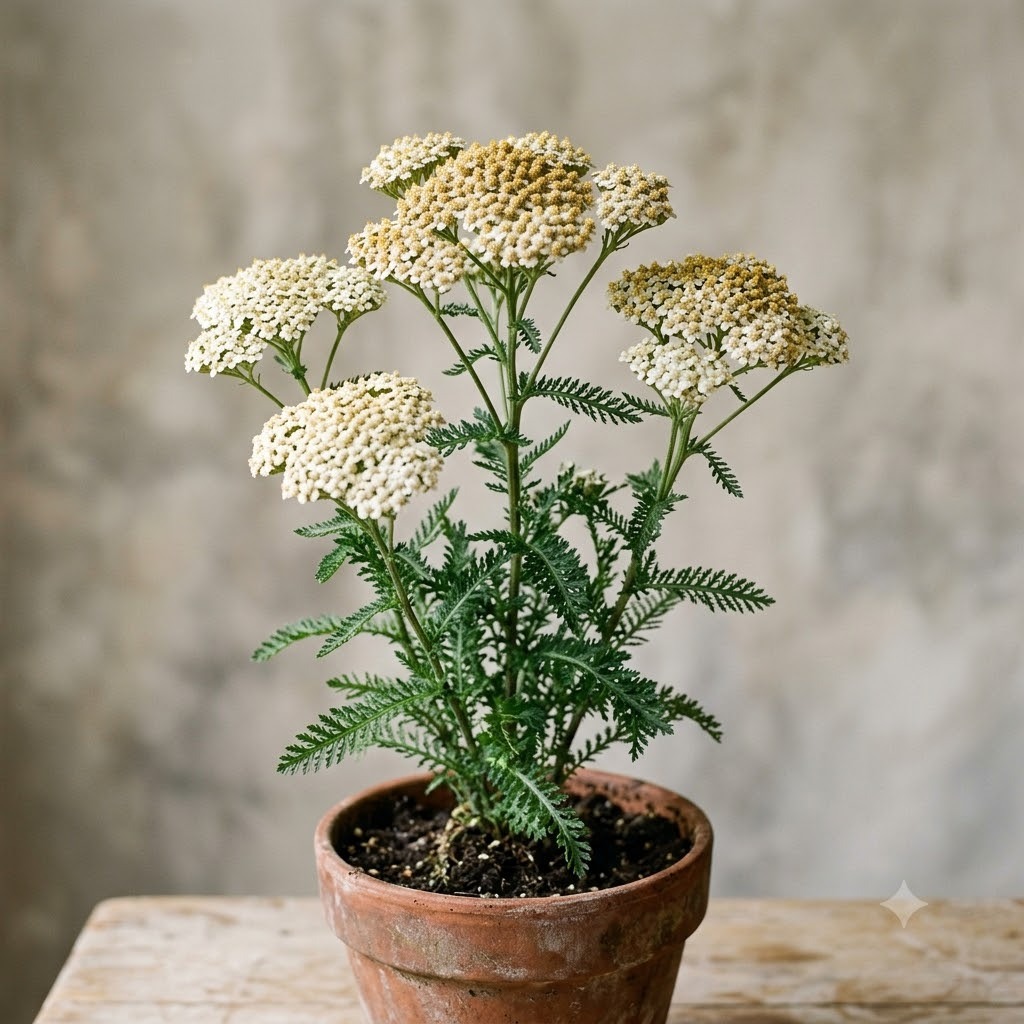
Yarrow is one of the toughest, most rewarding perennials a gardener can grow. It produces flat-topped clusters of tiny flowers held above soft, feathery, ferny foliage, blooming for weeks through summer in shades of white, yellow, gold, pink, red, and terracotta. Yarrow thrives on neglect: it shrugs off drought, heat, and poor soil, draws a steady crowd of bees, butterflies, and hoverflies, and makes an excellent cut flower both fresh and dried. It is a workhorse of the sunny border, the gravel garden, and the wildlife planting - and once established, it asks almost nothing of you. Its only real vice is enthusiasm: given good conditions, it can spread and self-sow more than some gardeners want.
Origin & Natural Habitat
Achillea millefolium is native across the temperate Northern Hemisphere - throughout Europe, Asia, and North America - where it grows wild in meadows, on roadside verges, in pastures, and on open, sunny, well-drained ground. It is a familiar wildflower of lean, dry soils rather than rich, moist ones. This wild origin tells you everything about how to grow it: yarrow wants full sun, sharp drainage, and no pampering. It has a long history in herbal medicine (the botanical name refers to Achilles), and its wild toughness is exactly why it performs so reliably in low-maintenance and naturalistic gardens.
Appearance
Yarrow forms a spreading clump of finely divided, feathery green foliage - the species name millefolium means "thousand-leaf," a nod to the delicate, almost ferny texture. From early to mid summer it sends up sturdy stems, usually 40 to 90 cm tall, each topped with a broad, flat-topped cluster (a corymb) of many tiny flowers. The wild species is white; garden cultivars come in a rich range of colors including buttery yellows, deep golds, soft pinks, apricots, rusty reds, and terracotta, many of which shift and fade attractively as they age. The flat flower heads and airy foliage give yarrow a relaxed, meadowy look that blends beautifully with grasses and other prairie-style perennials.
Why People Grow It - Qualities & Benefits
- Extremely tough and drought-tolerant: once established it survives heat, drought, and poor soil with ease.
- Long bloom season: flowers for weeks through summer, longer if deadheaded.
- Pollinator magnet: the flat flower heads are an ideal landing pad for bees, butterflies, and beneficial hoverflies.
- Excellent cut flower: long-lasting fresh, and dries beautifully for everlasting arrangements.
- Wide color range: from the pure white species to warm sunset shades.
- Low-maintenance: thrives on neglect and needs no rich feeding.
Care
Light & Position
Full sun is essential - at least 6 hours of direct sun a day. Yarrow grown in shade becomes floppy, leggy, and shy to flower. Give it the hottest, brightest, most open spot you have.
Soil
Yarrow prefers lean, average, well-drained soil and actively dislikes rich, heavy, or wet ground. In fertile soil it grows lush but floppy and may need staking. Sharp drainage is the priority; it is superb in gravel gardens and dry banks.
Watering
Water new plants until established, then leave them be. Established yarrow is very drought-tolerant and rarely needs watering except in prolonged drought. Overwatering and soggy soil are far more likely to harm it than dryness.
Feeding
Do not feed. Yarrow performs best in poor to average soil; feeding produces weak, floppy growth and fewer flowers. Skip fertilizer and avoid rich mulches around the crown.
Deadheading & Cutting Back
Deadhead spent flower heads to encourage a second flush and to reduce self-seeding. After the main flush fades, you can cut the plant back to tidy the foliage. Leaving some seed heads over winter feeds birds and adds structure.
Hardiness & Winter Care
Yarrow is a hardy, cold-tolerant perennial across most temperate gardens. The foliage dies back or thins in winter and returns in spring. No special winter protection is needed; good drainage matters far more than cold, as wet winter soil is its main enemy.
Managing Spread
Yarrow spreads by creeping roots and self-seeding and can travel further than you intend. Lift and divide clumps every 2 to 3 years to keep them vigorous and contained, and deadhead before seed sets if you want to limit its wandering.
Planting & Propagation
Plant yarrow in spring or early autumn in a sunny, well-drained spot, spacing plants to allow airflow. It is very easy to propagate: the simplest method is division in spring or autumn, lifting an established clump and splitting it into pieces, each with roots and shoots. It also grows readily from seed (the species especially), and named cultivars can be increased by basal cuttings in spring. Divided or seed-grown plants establish quickly.
Common Problems & Pests
Yarrow is remarkably trouble-free, which is a large part of its appeal.
- Flopping: the most common complaint, caused by soil that is too rich or a position that is too shady. Grow it lean and sunny; stake taller cultivars if needed.
- Powdery mildew: can appear on stressed or crowded plants in humid conditions - improve airflow and avoid overhead watering.
- Root rot: only in wet, poorly drained soil - the fix is sharp drainage.
- Aphids: occasionally cluster on new growth, but rarely a serious problem and often handled by predators.
- Spreading: its vigor can become a nuisance in small borders; divide and deadhead to manage it.
Toxicity & Safety
Yarrow is generally considered mildly toxic to cats, dogs, and horses if eaten in quantity, and can cause vomiting, drooling, or diarrhea. Handling the foliage may cause skin irritation or increased sun sensitivity in some people, so sensitive gardeners may prefer gloves. It is not a plant to encourage pets or livestock to graze, but casual garden contact is low-risk. If a pet eats a significant amount and shows symptoms, contact a vet.
Pros & Cons
Pros
- Extremely tough, drought- and heat-tolerant.
- Long summer bloom in a wide color range.
- Outstanding pollinator plant and cut/dried flower.
- Thrives on poor soil and neglect.
- Very easy to propagate by division.
Cons
- Can spread by roots and self-seeding.
- Flops in rich soil or shade.
- Mildly toxic to pets if eaten in quantity.
- Foliage may irritate sensitive skin.
- Needs sharp drainage; dislikes wet soil.
Best Suited For
- Sunny borders, gravel gardens, and dry banks.
- Wildlife and pollinator gardens.
- Prairie- and meadow-style naturalistic plantings.
- Cutting gardens (fresh and dried flowers).
- Low-maintenance, low-water gardens.
Not ideal for shady spots, rich or wet soils, or very small borders where its spread is hard to contain.
FAQ
Is yarrow invasive? It can be vigorous - it spreads by creeping roots and self-seeds freely, so in ideal conditions it wanders. It is easy to manage by deadheading before seed sets and dividing the clump every couple of years, but in a small border give it thought before planting.
Why is my yarrow flopping over? Almost always because the soil is too rich or the spot is too shady. Yarrow wants lean soil and full sun; grown hard and bright it stands up well. Rich feeding produces weak, floppy stems.
Does yarrow come back every year? Yes - it is a hardy perennial. The top growth dies back in winter and the plant returns from the roots in spring. Wet winter soil is the main thing that can kill it, so ensure good drainage.
Is yarrow good for pollinators? Excellent. The flat clusters of tiny flowers are a perfect landing platform, drawing bees, butterflies, and beneficial hoverflies throughout its long bloom season.
How do I get more yarrow plants? The easiest way is division: lift an established clump in spring or autumn and split it into rooted pieces. It also grows readily from seed and from basal cuttings.