Honeybush
Honeybush (Cyclopia) is a South African shrub of the fynbos, a close relative of rooibos, whose leaves and flowers make a naturally sweet, caffeine-free herbal tea that tastes faintly of honey and dried fruit.
🗓️ Last reviewed: July 2026
Overview
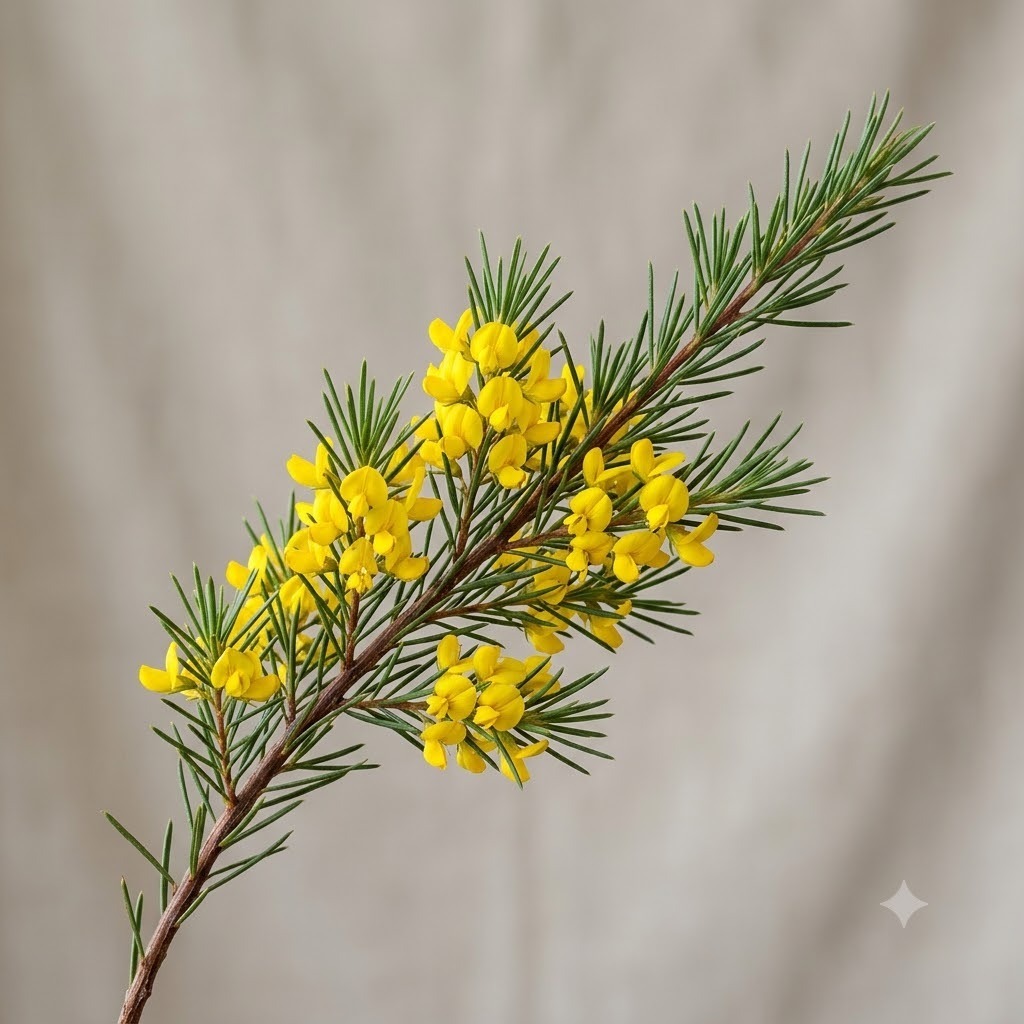
Honeybush (Cyclopia) is a South African shrub of the fynbos, a close relative of rooibos, whose leaves and flowers make a naturally sweet, caffeine-free herbal tea that tastes faintly of honey and dried fruit. It takes its name from the warm, honeyed scent of its bright yellow flowers, which perfume the air when the plant is in bloom. There are many species of Cyclopia, several of them harvested for tea, and the drink has been made in the Cape mountains for generations, gathered from the wild long before it was ever cultivated. Grown for centuries in South Africa and now enjoyed worldwide, honeybush is a handsome evergreen that suits a warm, dry, Mediterranean-style garden. For home growers it is a rewarding but climate-fussy plant, happiest where summers are hot, winters mild, and the soil is lean and sharply drained - a true child of the fynbos that resents rich living.
Identification & Appearance
Honeybush is an evergreen shrub, typically reaching 1 to 2.5 metres depending on species, with slender woody stems and small, narrow leaves that vary from needle-like to broader and flatter across the many species of Cyclopia. In spring and early summer it is covered in clusters of small, pea-shaped bright yellow flowers that carry a sweet honey fragrance - the feature that gives the plant its name. The overall look is airy and shrubby, well adapted to open, sunny, exposed ground.
Where It Grows
Honeybush is native only to the fynbos of South Africa's Western and Eastern Cape, a Mediterranean-climate region of dry summers, wet winters, and poor, acidic, sandy soils. It grows wild on mountain slopes and coastal ridges, thriving in bright sun and lean ground where richer plants cannot compete. Its natural home tells you what it wants: warmth, drainage, sun, and no coddling with rich feed.
How to Grow at Home
Honeybush is grown from seed, which usually needs a treatment to break its hard coat - soaking in hot water, or nicking or scarifying the seed - before it will germinate reliably. Sow into a gritty, free-draining seed mix and keep it warm. Once seedlings are strong, give them a warm, sunny, sharply drained spot. In a Mediterranean or mild subtropical climate the young plants can go straight into lean, sandy, acidic soil outdoors, spaced to allow good airflow around each shrub. In cooler regions grow honeybush in a large pot of gritty, free-draining mix that can be moved under cover or into a greenhouse for winter, as it dislikes cold, wet ground and hard frost above all else. Feed sparingly if at all - this is a plant adapted to poor soils, and too much richness produces soft, weak growth. It is slow to establish but drought-tolerant and genuinely tough once its roots take hold.
Growing Conditions
Light
Full sun. Honeybush is a plant of open, exposed slopes and needs all the light it can get to grow strongly and flower well; a shady spot leads to thin, weak, poorly flowering growth.
Watering
Water moderately while young, then sparingly - it is adapted to dry summers and resents waterlogging. Let the soil dry between waterings and never leave it standing wet.
Soil & Temperature
Lean, acidic, sandy, sharply drained soil low in nutrients. It wants a warm, frost-free or nearly frost-free climate; protect it from hard frost and cold, wet winters, ideally by growing it in a pot that can be sheltered.
Harvesting & Brewing
For home use, snip the leafy shoots and flowering tips in the growing season, taking a little from an established plant rather than stripping it bare. Traditionally the cut material is bruised or chopped and left to "ferment" - really an oxidation in gentle warmth over a day or two - which deepens the colour to a rich reddish-brown and brings out the sweet, honeyed, dried-fruit flavour that honeybush is prized for, then it is dried until crisp. You can also simply dry fresh shoots without fermenting for a lighter, greener, grassier brew. Store the dried leaf in an airtight jar away from light. To make tea, steep a generous teaspoon in freshly boiled water for five to seven minutes, or simmer it gently for a fuller flavour. Honeybush is naturally sweet and caffeine-free, so it can be brewed strong and enjoyed at any time of day, including the evening, and it takes well to a splash of milk or a slice of lemon.
Health & Benefits
Honeybush has long been a everyday drink in the Cape, valued for its gentle sweetness and the fact that it is naturally caffeine-free, which makes it a soothing choice late in the day. Traditionally it has been taken as a comforting tea and, in folk use, for coughs and to settle the system. Like its relative rooibos, it contains natural antioxidant compounds and no caffeine or added sugar. These are traditional and everyday uses, not proven medical treatments, and honeybush tea is not a substitute for medical care. If you have a specific health concern, are pregnant, or are taking medication, speak to a doctor rather than relying on herbal tea.
Common Problems
- Root rot - the most common killer; caused by heavy or waterlogged soil, so keep drainage sharp and watering light.
- Frost damage - blackened shoots after a cold snap; shelter or move pots under cover in winter.
- Weak, leggy growth - too little sun or too much rich feed; give it full sun and lean soil.
Pros & Cons
Pros
- Naturally sweet, caffeine-free tea that can be drunk any time.
- Handsome evergreen with fragrant yellow flowers.
- Drought-tolerant and tough once established.
Cons
- Needs a warm, dry, near frost-free climate.
- Slow to establish and fussy about drainage.
- Hard to grow outdoors in cold, damp regions.
Best Suited For
- Gardeners in Mediterranean, subtropical, or mild dry climates.
- Anyone wanting a naturally sweet, caffeine-free homegrown tea.
- Container growers who can shelter a pot over winter.
Not ideal for cold, wet climates or heavy, poorly drained soil.
FAQ
Is honeybush the same as rooibos? No, but they are close relatives from the same South African fynbos. Both are caffeine-free bush teas; honeybush (Cyclopia) is naturally sweeter and more honey-scented, while rooibos comes from Aspalathus linearis.
Does honeybush contain caffeine? No. Honeybush is naturally caffeine-free, which is why it is often enjoyed in the evening.
Can I grow honeybush in a cold climate? Only with protection. It needs warmth, sun, and sharp drainage, so in cool or damp regions grow it in a gritty pot that you can move under cover for winter.
Why is honeybush naturally sweet? The leaves and flowers contain natural compounds that give a soft, honeyed sweetness without any added sugar, so it brews into a mild, pleasant tea that many people enjoy without sweetening.