Lemon Verbena
Lemon verbena has the purest, most intense lemon fragrance of any herb - sweeter and cleaner than lemon balm, and powerful enough that just a few leaves perfume a whole pot of tea.
🗓️ Last reviewed: June 2026
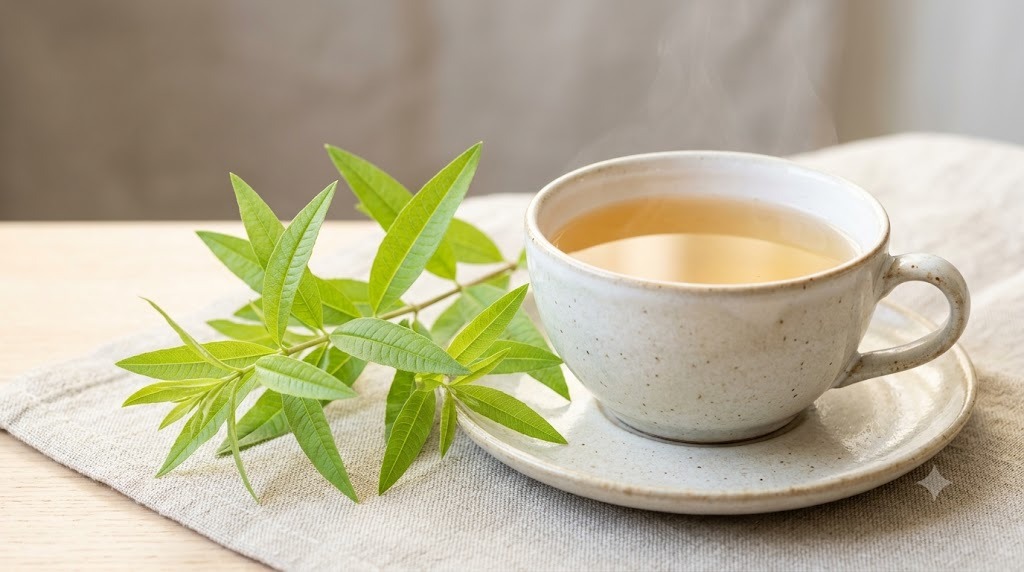
Overview
Lemon verbena has the purest, most intense lemon fragrance of any herb - sweeter and cleaner than lemon balm, and powerful enough that just a few leaves perfume a whole pot of tea. It brews into a bright, uplifting, faintly sweet infusion with no bitterness. A tender shrub from South America, it needs a little winter care in cool climates, but the reward is the finest lemon tea you can grow.
Identification & Appearance
A deciduous, somewhat woody shrub reaching 1-2 metres in good conditions, with narrow, pointed, pale green leaves arranged in whorls along the stems. The leaves are slightly rough and release a strong, sweet lemon scent at the lightest touch. Tiny pale lilac-white flowers appear in airy sprays in late summer.
Where It Grows
Native to Argentina, Chile, and Peru, lemon verbena was brought to Europe in the 18th century for its fragrance. It grows outdoors year-round only in warm, frost-free climates; elsewhere it is grown in pots and given shelter. It loves heat, sun, and free-draining soil.
How to Grow at Home
Grow lemon verbena from a nursery plant or a cutting. In mild areas plant it in a sunny, sheltered spot; in cold areas keep it in a large pot that can be moved into a frost-free place for winter. It is deciduous and drops its leaves in winter, often looking dead - be patient, it usually re-shoots in late spring.
Growing Conditions
Light
Full sun - lemon verbena is a heat-lover and needs all the warmth it can get.
Watering
Water moderately in growth and let the surface dry between waterings; keep it much drier in winter dormancy.
Soil & Temperature
Light, free-draining soil. Tender - protect from frost; bring potted plants under cover below about 0°C.
Harvesting & Brewing
Pick leaves freely through the growing season; the scent stays strong even in mature leaves. Lemon verbena dries exceptionally well, keeping its fragrance better than most herbs. For tea, steep 5-8 fresh leaves, or a teaspoon of dried, in hot water for 5 minutes. A little goes a long way.
Health & Benefits
Lemon verbena tea is caffeine-free and traditionally enjoyed for relaxation and gentle digestive comfort after meals. It is rich in aromatic oils and antioxidants. Mostly, though, it is grown for sheer pleasure - few teas are as bright and refreshing.
Common Problems
- Looks dead in winter - it is deciduous; wait for spring re-growth before giving up.
- Leaf drop after a move - stress from cold or change; usually recovers.
- Spider mites indoors - raise humidity and rinse the foliage.
Pros & Cons
Pros
- The most intense, purest lemon flavour of any herb.
- Dries beautifully - keeps its scent.
- A handsome, fragrant shrub.
Cons
- Tender - needs winter protection in cold climates.
- Drops all its leaves in winter.
- Slow to re-shoot in spring.
Best Suited For
- Lemon-tea lovers wanting the best flavour.
- Container growers who can shelter it in winter.
- Warm, sunny, sheltered gardens.
Not ideal for cold gardens without frost-free winter storage.
FAQ
Is my lemon verbena dead in winter? Probably not - it is deciduous and drops every leaf, looking bare and twiggy. Keep it cool, barely watered, and wait for late-spring re-growth.
How is it different from lemon balm? Lemon verbena has a far stronger, purer, sweeter lemon scent, and it dries well - lemon balm is milder and best used fresh.
How many leaves do I need for tea? Only a handful - five to eight fresh leaves easily flavour a whole pot.