Roselle Hibiscus
Roselle is the hibiscus behind the famous ruby-red hibiscus tea - a tart, cranberry-like, vividly coloured infusion drunk hot or iced around the world.
🗓️ Last reviewed: June 2026
Overview
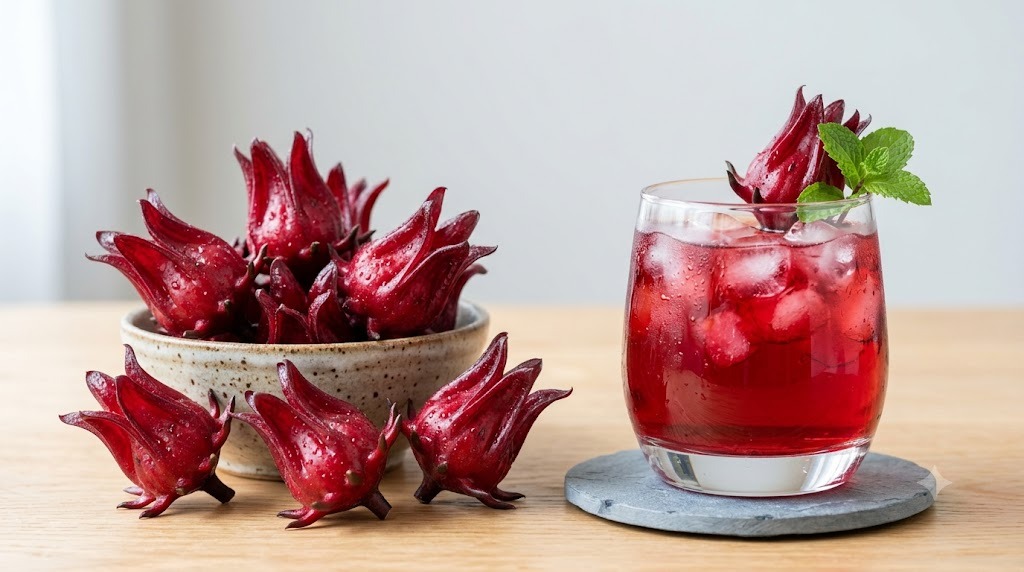
Roselle is the hibiscus behind the famous ruby-red hibiscus tea - a tart, cranberry-like, vividly coloured infusion drunk hot or iced around the world. The part you brew is not the flower petal but the fleshy red calyx that swells around the seed pod after flowering. It is a fast-growing tropical annual that, given a long warm season, can be raised even in cooler climates.
Identification & Appearance
A tall, branching annual reaching 1.5-2.5 metres, with reddish stems and deeply lobed green leaves often tinged red. The flowers are pale yellow with a dark red centre, lasting only a day. The prize is the calyx left behind - a thick, glossy, deep-red, fleshy cup that forms around the developing seed capsule.
Where It Grows
Native to tropical Africa and now grown across the tropics - West Africa, the Caribbean, Mexico, Southeast Asia - roselle is a staple crop for cold and hot hibiscus drinks. It needs heat and a long frost-free growing season, and flowers as days shorten in autumn.
How to Grow at Home
Sow seed indoors in early spring, as roselle needs a long season. Plant out only after all frost, in your warmest, sunniest spot or a large pot. It grows fast and tall through summer, then flowers in autumn as nights lengthen. In cool climates, growing it under cover gives the calyces time to develop before frost.
Growing Conditions
Light
Full sun and as much heat as possible - roselle is a true tropical plant.
Watering
Water generously and regularly through the growing season to support its fast, tall growth.
Soil & Temperature
Rich, well-drained soil. Frost-tender - grow as a summer annual or under cover in cool climates.
Harvesting & Brewing
Harvest the calyces about 1-2 weeks after the flower drops, while they are still tender and snap off easily. Pull the seed capsule out of the centre, then use the red calyx fresh or dried. For tea, steep a small handful of dried calyces in hot water for 5-10 minutes. The result is a deep ruby, tart drink - excellent iced and sweetened.
Health & Benefits
Hibiscus tea is caffeine-free, rich in anthocyanins and vitamin C, and has been studied for a modest blood-pressure-lowering effect. Its bright tartness means it is often sweetened or blended. The vivid red colour comes entirely from the calyx pigments.
Common Problems
- No calyces before frost - season too short; start earlier indoors or grow under cover.
- Tough, woody calyces - picked too late; harvest while still tender.
- Slow start outdoors - planted out too cold; wait for real warmth.
Pros & Cons
Pros
- Produces the genuine ruby hibiscus tea.
- Fast-growing and striking plant.
- Calyces dry and store very well.
Cons
- Needs a long, hot, frost-free season.
- Only the calyx is used, not the flower.
- Tart - usually needs sweetening.
Best Suited For
- Warm-climate gardeners, or cool-climate growers with a greenhouse.
- Anyone who loves tart, iced hibiscus drinks.
- Gardeners wanting a bold, productive annual.
Not ideal for short, cool growing seasons without protection.
FAQ
Which part of roselle makes the tea? The fleshy red calyx that forms around the seed pod after the flower drops - not the flower petals themselves.
Can I grow it in a cool climate? Yes, but start seed early indoors and ideally finish it under cover, as roselle needs a long warm season to form calyces before frost.
Why is my hibiscus tea so sour? Roselle is naturally very tart. Sweeten it, or blend it with milder herbs - it is also superb served iced.