Rosemary (Salvia rosmarinus)
Rosemary (Salvia rosmarinus) is a fragrant, needle-leaved Mediterranean shrub that doubles as a kitchen staple and the base of a bracing herbal tisane.
🗓️ Last reviewed: June 2026
Overview
Rosemary (Salvia rosmarinus) is a fragrant, needle-leaved Mediterranean shrub that doubles as a kitchen staple and the base of a bracing herbal tisane. Its piney, resinous aroma is unmistakable, and the plant is wonderfully easy to grow in a sunny pot or garden bed, staying evergreen and useful all year round. A single mature bush supplies an almost endless run of sprigs, and it is among the most rewarding and long-lived herbs you can keep.
Identification & Appearance
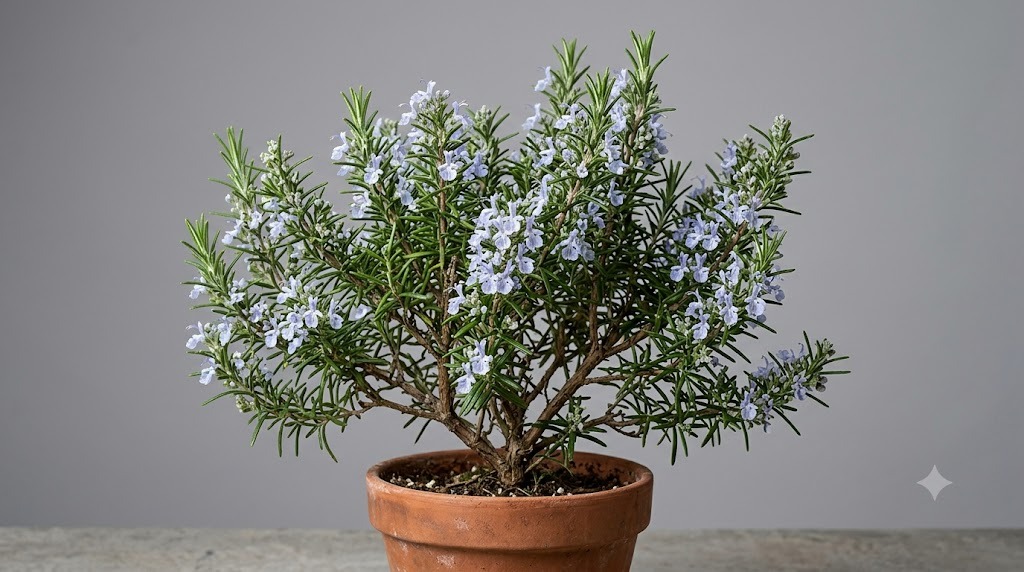
An upright evergreen shrub that can reach over a metre tall, with woody stems clothed in narrow, leathery, needle-like leaves - dark green above and pale beneath. Crush a leaf and it releases a strong, piney, slightly camphorous scent. From late winter into spring it carries small two-lipped flowers in pale blue, mauve, or sometimes white, much loved by early bees.
Where It Grows
Rosemary is native to the rocky coastal scrub of the Mediterranean basin, where it grows on dry, stony slopes within reach of sea air. It is now cultivated throughout warm-temperate regions of the world. It thrives in lean, sharply drained soil, full sun, and heat, and resents heavy, wet ground far more than it minds drought.
How to Grow at Home
Rosemary is most reliably grown from a nursery plant or a cutting, as seed is slow and erratic. Give it a free-draining pot or a hot, sunny border, and keep the soil on the dry side. It needs little feeding and only light pruning to keep its shape; trim after flowering to prevent it becoming bare and woody at the base. In colder regions, grow it in a pot that can be moved under cover for winter.
Growing Conditions
Light
Full sun all day; rosemary grown in shade grows lank, weak, and far less fragrant.
Watering
Water moderately and allow the soil to dry between waterings; established plants are highly drought-tolerant and hate soggy roots.
Soil & Temperature
Lean, gritty, free-draining soil, neutral to slightly alkaline. Hardy to around -10°C in dry ground; wet cold is the main threat, so protect pots in harsh winters.
Harvesting & Brewing
Cut sprigs at any time of year, snipping the soft green tips rather than the old woody wood. Use them fresh, or hang sprigs to dry and then strip the needles for storage. For a tisane, steep a fresh sprig or a teaspoon of dried needles in hot water for around 5 minutes and strain; the infusion is piney, resinous, and invigorating, and a little goes a long way.
Composition & Character
Rosemary is packed with aromatic volatile oils - notably cineole, camphor, and pinene - which give it its sharp, woodland scent and robust flavour. As a tisane it is naturally caffeine-free and valued for its bold, refreshing character. It has a long history in Mediterranean cooking, garden tradition, and folklore, and today is enjoyed simply as a versatile culinary herb and aromatic infusion.
Common Problems
- Bare, woody base - trim lightly after flowering and avoid cutting into old leafless wood.
- Root rot - caused by heavy or waterlogged soil; improve drainage and water less.
- Powdery mildew - poor airflow in damp conditions; space plants and improve ventilation.
Pros & Cons
Pros
- Evergreen, long-lived, and useful all year.
- Drought-tolerant and easy once established.
- Equally good in the kitchen and as a fragrant tisane.
Cons
- Dislikes wet, heavy, or rich soil.
- Can struggle through cold, damp winters in pots.
- Old wood does not readily regrow if cut back too hard.
Best Suited For
- Sunny gardens, patios, and large containers.
- Cooks who want a year-round supply of fresh herb.
- Gardeners after a tough, aromatic, low-care evergreen.
Not ideal for shady plots, heavy clay, or very cold, wet climates without winter protection.
FAQ
Can I make tea from garden rosemary? Yes - steep a fresh sprig or some dried needles in hot water for a few minutes. Because it is strong, use just a little at first.
Why is my rosemary woody and bare at the bottom? This happens naturally with age and is worsened by hard pruning into old wood. Trim lightly and regularly to keep fresh tips coming.
Can rosemary survive winter outdoors? In mild climates with dry, well-drained soil, yes. In cold, wet regions it is safer in a pot you can move under cover.