Yerba Mate
Yerba mate (Ilex paraguariensis) is a South American species of holly whose dried leaves make the caffeinated national drink of Argentina, Paraguay, Uruguay, and southern Brazil, traditionally brewed in a hollow gourd and sipped through a metal straw called a bombilla.
🗓️ Last reviewed: July 2026
Overview
Yerba mate (Ilex paraguariensis) is a South American species of holly whose dried leaves make the caffeinated national drink of Argentina, Paraguay, Uruguay, and southern Brazil, traditionally brewed in a hollow gourd and sipped through a metal straw called a bombilla. Grassy, slightly bitter, and bracingly stimulating, mate sits somewhere between tea and coffee in character, and sharing a gourd is a deep social ritual across its homeland, passed from hand to hand among friends. As a plant it is a tender subtropical evergreen tree, kept much smaller and best grown in a large pot in all but the warmest climates. For the home grower it offers something unusual: the chance to raise the real source of one of the world's great traditional teas, and to understand the drink from the leaf up.
Identification & Appearance
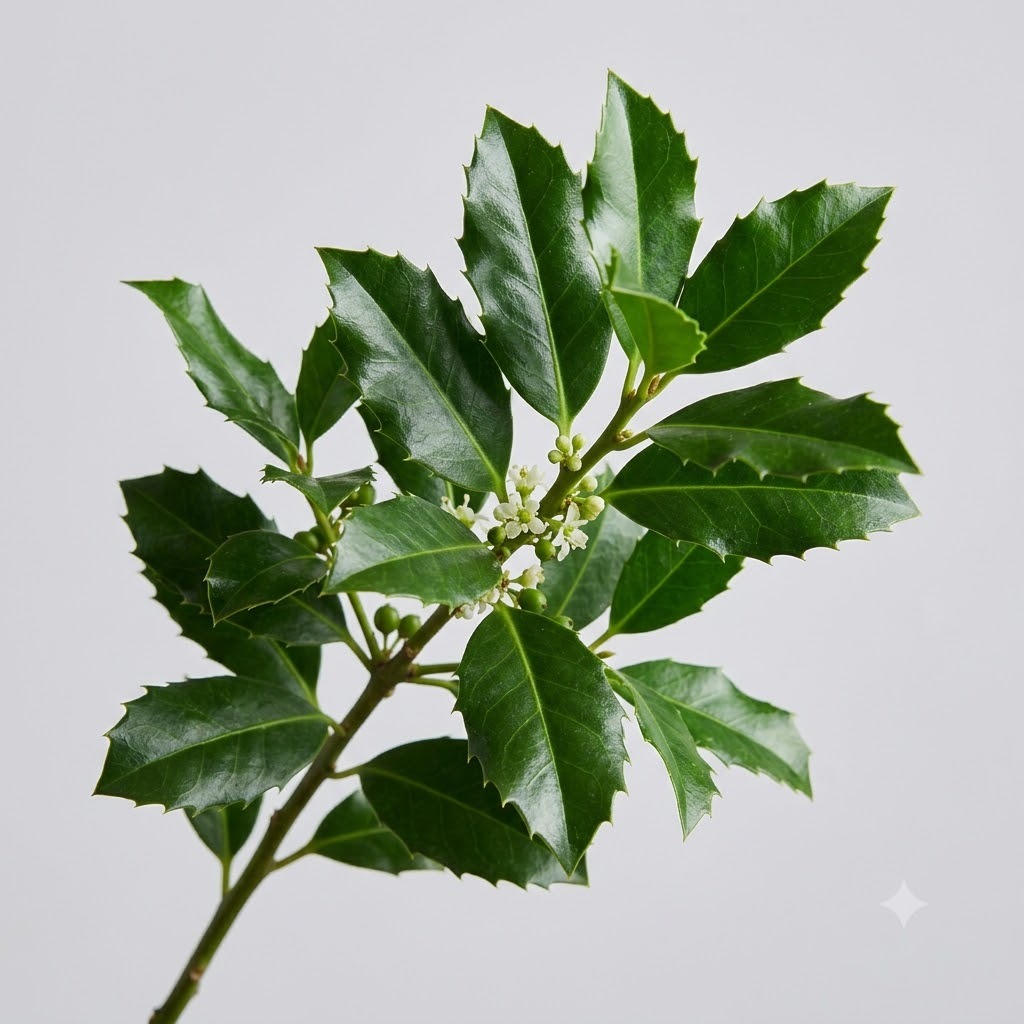
In the wild yerba mate is an evergreen tree reaching well over 10 metres, though in cultivation and in pots it is kept as a much smaller shrub. Like other hollies it has glossy, leathery, dark green leaves with finely toothed margins, though without the sharp spines of European holly. It bears small greenish-white flowers followed by clusters of small red berries. Its bushy, glossy-leaved holly form makes it a handsome plant even before you consider the tea.
Where It Grows
Yerba mate is native to the subtropical forests of the Paraná basin, spanning parts of Argentina, Paraguay, Uruguay, and southern Brazil. It grows naturally in warm, humid woodland with rich, moist, acidic soil and reliable rainfall, often in dappled shade beneath taller trees. It is a plant of frost-free, humid, subtropical conditions, which is the key to understanding how to keep it happy away from home.
How to Grow at Home
Yerba mate is grown from seed, which can be slow and notoriously erratic to germinate, sometimes taking weeks or months and rarely coming up all at once, or from a young nursery plant where one can be found. Sow fresh seed into a warm, moist, acidic mix and be prepared to wait. Once seedlings appear they need warmth, humidity, and rich, moist, acidic, free-draining soil to grow on. Outside frost-free subtropical regions, mate is best grown in a large pot that can be brought indoors or into a greenhouse for winter, since it is tender and will not survive hard frost. Give it a bright, sheltered position out of scorching midday sun, keep the humidity up around the leaves, and feed lightly through the growing season. Above all, be patient - it is a slow grower that takes several years to reach a size worth harvesting, so treat it as a long-term project rather than a quick crop.
Growing Conditions
Light
Bright light with shelter from harsh midday sun; it naturally grows in dappled woodland, so partial shade suits young plants well and prevents leaf scorch.
Watering
Keep the soil consistently moist but never waterlogged, and raise humidity in dry indoor air by misting or standing the pot on a damp gravel tray.
Soil & Temperature
Rich, moist, acidic, free-draining soil. It is tender and frost-sensitive, wanting warmth and humidity; protect it from cold below a few degrees and bring it under cover before winter frosts in cool climates.
Harvesting & Brewing
Pick mature leaves and young shoots from an established plant, taking only a portion so the tree keeps growing. Traditionally the leaves are quickly heated over a fire to halt oxidation and drive off moisture, then coarsely broken and aged for months before use, which mellows the flavour. For a simpler home version, dry the leaves thoroughly in a warm, airy place until crisp, then crumble and store them airtight. To brew the traditional way, fill a gourd about two-thirds with the dried leaf, tip it to one side, add water that is hot but not boiling - around 70 to 80°C, since boiling water makes it harsh and bitter - insert the bombilla, and sip, refilling the same leaves many times over as the flavour slowly fades. You can also steep it like ordinary loose-leaf tea in a pot or infuser. Note that mate is genuinely caffeinated: it delivers a real, coffee-like lift, so it is best enjoyed earlier in the day and in sensible moderation.
Health & Benefits
Yerba mate has been drunk socially and daily across South America for centuries, valued as an energising, sociable brew. It naturally contains caffeine along with antioxidant compounds, and traditionally it has been taken as a stimulant and a pick-me-up much as coffee or tea are elsewhere. Because it is genuinely caffeinated, sensible limits matter: too much can cause jitters, a racing heart, or disturbed sleep, and it is not suitable for those avoiding caffeine, and pregnant people should be cautious. Very hot mate drunk habitually has also been linked to throat irritation, so let it cool a little. These are traditional and everyday uses, not proven medical treatments, and mate is not a substitute for medical care. If you have a health concern, take medication, or are sensitive to caffeine, speak to a doctor before making it a daily habit.
Common Problems
- Frost damage - blackened, dropping leaves after cold; this is a tender tree, so keep it above frost and bring pots indoors in winter.
- Slow or failed germination - mate seed is notoriously erratic; sow plenty, keep it warm and moist, and be patient.
- Dry, browning leaf tips - usually low humidity indoors; mist regularly and use a humidity tray.
Pros & Cons
Pros
- Grow the true source of a famous caffeinated South American tea.
- Handsome glossy evergreen holly with red berries.
- Rewarding long-term project for a dedicated grower.
Cons
- Tender and frost-sensitive; needs winter protection in cool climates.
- Slow to grow and slow, erratic to raise from seed.
- Caffeinated, so not for everyone and best in moderation.
Best Suited For
- Growers in warm, humid, frost-free climates, or with a greenhouse.
- Mate lovers keen to raise the real plant behind the drink.
- Patient gardeners happy with a slow, long-term container tree.
Not ideal for cold-climate gardens without winter protection, or anyone avoiding caffeine.
FAQ
Does yerba mate contain caffeine? Yes. Mate is genuinely caffeinated, giving a coffee-like lift, so it is best enjoyed earlier in the day and in moderation rather than late at night.
Do I need a gourd and bombilla to drink it? No. The traditional gourd and metal bombilla straw are part of the culture, but you can steep dried mate leaves like ordinary loose-leaf tea in any pot or infuser.
Can I grow yerba mate outside the tropics? Yes, but usually only in a pot. It is tender and frost-sensitive, so in cool climates grow it in a large container that can be brought indoors or into a greenhouse for winter.